The sodium sulfate pneumatic conveying system is a critical piece of industrial equipment used in various applications, particularly in the chemical and pharmaceutical industries. This system efficiently transports sodium sulfate, a key raw material, from one location to another using air pressure. Understanding its operation process and working principle is essential for optimizing performance, ensuring safety, and maintaining operational efficiency. The following sections provide a detailed overview of how this system functions, covering key components, the step-by-step operation, and the underlying principles that enable effective material handling.
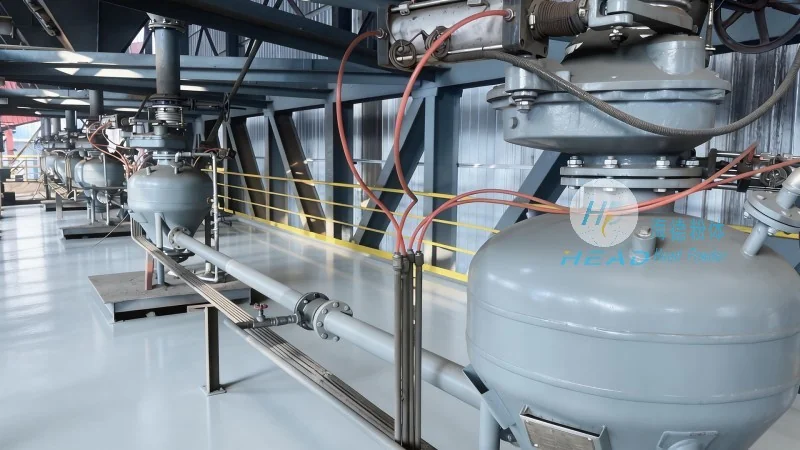
Key Components of the Sodium Sulfate Pneumatic Conveying System
The system consists of several essential components that work in tandem to achieve efficient material transport. These components include the material hopper, which holds the sodium sulfate; the air compressor or blower, which generates the necessary air pressure; the conveying line, typically made of flexible or rigid tubing; the control valves and regulators, which manage air flow and pressure; and the discharge hopper or receiver, where the material is deposited. Each component plays a vital role in the overall operation, and their proper integration ensures smooth and reliable performance.
Step-by-Step Operation Process of the System
The operation of the sodium sulfate pneumatic conveying system follows a systematic sequence of steps. First, the sodium sulfate is loaded into the material hopper. The air compressor then starts, generating compressed air that is directed into the conveying line. As the air flows through the line, it creates a low-pressure zone that draws the sodium sulfate particles into the air stream. The mixture of air and material travels through the conveying line to the discharge hopper. At the receiving end, the air is separated from the material, often through a cyclone separator or a filter, and the air is either vented or recycled back into the system. The material is then collected in the discharge hopper, ready for further processing or use.
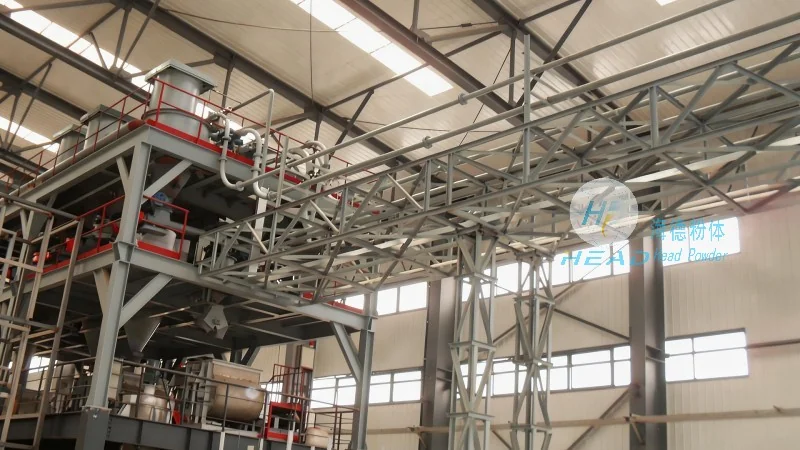
Working Principle of the Pneumatic Conveying System
The working principle of the sodium sulfate pneumatic conveying system is based on the fundamental concept of fluidization and air flow. The system utilizes compressed air to create a pneumatic stream that entrains the sodium sulfate particles. The air pressure and velocity are carefully controlled to ensure that the particles are suspended in the air stream without causing excessive wear or damage to the system components. The key to effective conveying is maintaining an optimal air-to-material ratio, which balances the need for sufficient air to lift and transport the material with the need to minimize energy consumption and prevent material degradation. The system's design, including the size and shape of the conveying line, the angle of the hopper, and the type of air compressor, all contribute to achieving this optimal ratio.
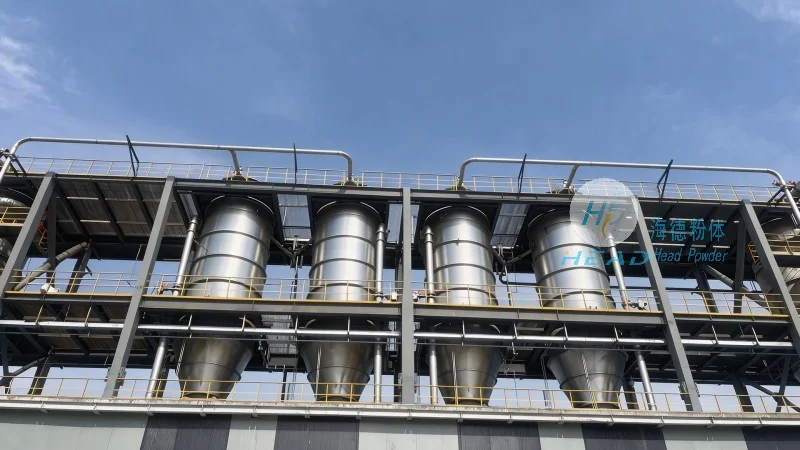
Benefits and Applications of the System
The sodium sulfate pneumatic conveying system offers several advantages over traditional mechanical conveying methods. It eliminates the need for moving parts, reducing maintenance requirements and increasing operational reliability. The system is also highly flexible, allowing for easy integration into existing production lines and the ability to transport materials over long distances or through complex layouts. This makes it suitable for a wide range of applications, including the chemical industry for transporting sodium sulfate in manufacturing processes, the pharmaceutical industry for handling raw materials in sterile environments, and the food industry for transporting sodium sulfate in food processing facilities.
About Shandong HeadPowder Engineering Co., Ltd.
Shandong HeadPowder Engineering Co., Ltd., operating under the brand name headpowder, is a leading manufacturer and supplier of industrial conveying systems. With a strong focus on innovation and quality, the company specializes in designing and manufacturing customized pneumatic conveying solutions tailored to the specific needs of its clients. Headpowder's expertise in material handling technology ensures that their systems are efficient, reliable, and safe, meeting the highest industry standards. The company's headquarters is located in Shandong, China, where it maintains state-of-the-art manufacturing facilities and a dedicated team of engineers and technicians dedicated to research, development, and customer support.




