When it comes to transporting bulk materials like salt, the efficiency and safety of the process are paramount. Pneumatic conveying systems have become a popular choice due to their ability to handle materials over long distances with minimal manual intervention. However, one of the significant challenges in such systems, especially when dealing with fine powders like salt, is the risk of dust leakage. This not only poses health and safety hazards but also leads to material loss and operational inefficiencies. In this context, understanding and implementing effective measures to prevent dust leakage becomes crucial for maintaining the integrity of the system and ensuring smooth operations.
Understanding the Challenges of Salt Transport with Pneumatic Conveying
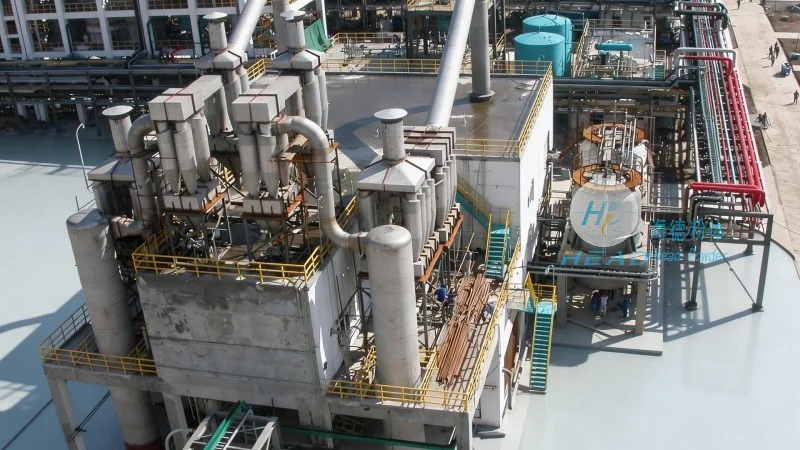
Before delving into solutions, it's essential to comprehend why dust leakage is a prevalent issue in pneumatic conveying systems for salt. Salt, particularly in its granular or powdered form, is prone to generating fine particles that can easily escape from the system if not properly contained. The high velocity of air used in pneumatic conveying can exacerbate this problem, as it can carry fine particles through seals, joints, and other openings. Additionally, the abrasive nature of salt can wear down components over time, creating pathways for dust to escape. These factors combined make it imperative to adopt robust strategies to mitigate dust leakage.
Key Solutions for Preventing Dust Leakage in Pneumatic Conveying Systems
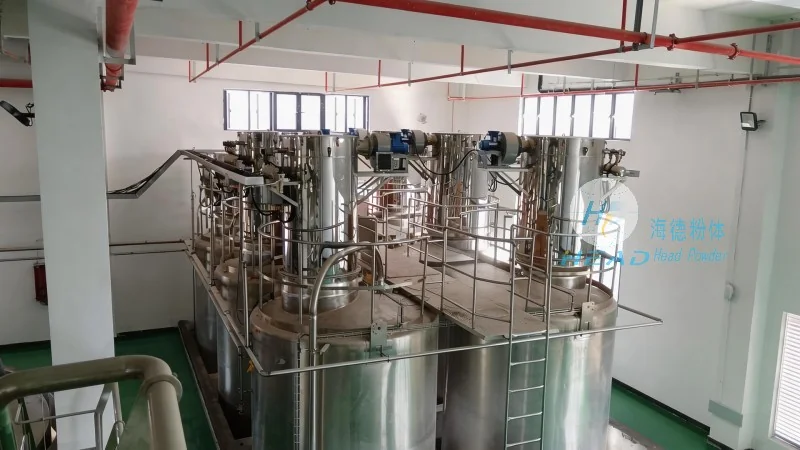
Shandong HeadPowder Engineering Co., Ltd., a leading provider of pneumatic conveying solutions, offers several effective strategies to prevent dust leakage when transporting salt. One of the primary approaches is the use of high-quality sealing mechanisms. These include advanced gaskets, O-rings, and custom-designed seals that are specifically engineered to handle the abrasive and corrosive properties of salt. By ensuring that all connections, including hoppers, pipelines, and discharge points, are properly sealed, the risk of dust escaping is significantly reduced. Furthermore, the company emphasizes the importance of maintaining consistent air pressure and flow rates. Properly calibrated systems help in controlling the velocity of air, preventing it from carrying fine particles out of the system. Another critical aspect is the use of dust collection and filtration systems. These systems capture any escaped particles, ensuring that the environment remains clean and safe. Additionally, regular maintenance and inspections are recommended to identify and address any potential wear or damage to components that could lead to leakage.
Benefits of Implementing Effective Dust Control Measures
Adopting comprehensive measures to prevent dust leakage in pneumatic conveying systems for salt offers numerous benefits. Firstly, it enhances workplace safety by reducing the exposure of personnel to fine salt particles, which can cause respiratory issues and other health problems. Secondly, it minimizes material loss, as escaped salt is recovered through efficient dust collection systems, leading to cost savings. Thirdly, it improves the overall efficiency of the system by reducing downtime caused by maintenance due to leakage. Finally, it ensures compliance with environmental regulations, as many regions have strict standards regarding dust emissions from industrial processes. By investing in these preventive measures, companies can achieve a more sustainable and cost-effective operation.
Conclusion and Company Overview
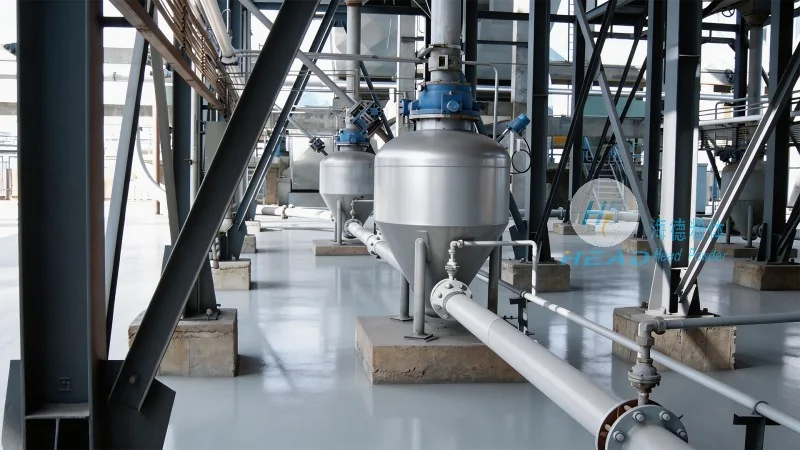
Preventing dust leakage in pneumatic conveying systems when transporting salt is a critical aspect of maintaining operational efficiency and safety. Shandong HeadPowder Engineering Co., Ltd. specializes in providing tailored solutions that address these challenges effectively. With a focus on high-quality sealing technologies, optimized system design, and comprehensive maintenance strategies, the company helps clients in the salt industry achieve reliable and dust-free operations. Based in Shandong, China, HeadPowder Engineering combines years of experience and advanced engineering to deliver solutions that meet the specific needs of each client, ensuring long-term performance and satisfaction.




