Acrylic esters rubber is a specialized material widely used in industrial applications for its excellent resistance to chemicals, temperature variations, and mechanical stress. When integrated into pneumatic conveying systems, it enhances the durability and efficiency of material handling processes. This article explores the operation process and working principle of such systems, providing insights into how they function and the key components involved.
Key Components of Acrylic Esters Rubber Pneumatic Conveying Systems
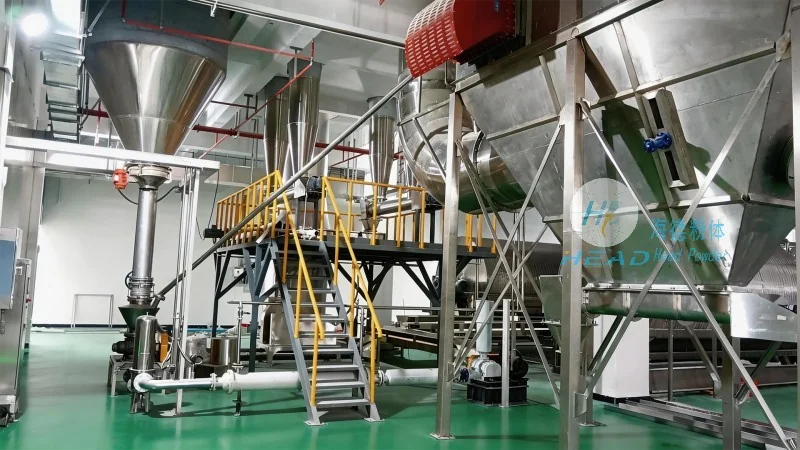
The core components of an acrylic esters rubber pneumatic conveying system include the hopper, material feed mechanism, air supply unit, conveying pipeline, and discharge device. The hopper is typically lined with acrylic esters rubber to prevent material degradation and ensure smooth flow. The material feed mechanism, often a rotary valve or screw feeder, controls the rate of material introduction into the system. The air supply unit, usually a blower or compressor, generates the necessary airflow to transport the material through the pipeline. The conveying pipeline, made of materials compatible with acrylic esters rubber, ensures minimal friction and material wear. Finally, the discharge device, such as a rotary valve or gate valve, regulates the release of material from the system.
Operation Process of Acrylic Esters Rubber Pneumatic Conveying
The operation process of an acrylic esters rubber pneumatic conveying system involves several sequential steps. First, the material is loaded into the hopper. The material feed mechanism then starts, feeding the material into the conveying pipeline at a controlled rate. Simultaneously, the air supply unit activates, generating a consistent airflow that moves the material through the pipeline. As the material travels, it is carried by the air stream, which maintains the material in a suspended state. The conveying pipeline may include bends, expansions, or reductions, which are designed to accommodate changes in direction or flow rate without causing material blockages. The discharge device at the end of the pipeline then releases the material into the target container or processing unit. Throughout the process, the system monitors parameters such as airflow, pressure, and material flow rate to ensure optimal performance and prevent issues like clogging or material degradation.
Working Principle of Acrylic Esters Rubber Pneumatic Conveying
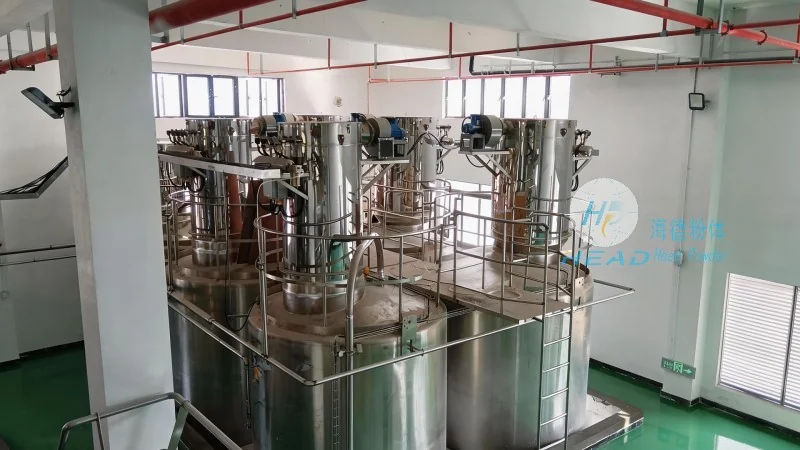
The working principle of acrylic esters rubber pneumatic conveying is based on the principles of fluid dynamics and material transport. The system operates by creating a low-pressure zone in the conveying pipeline, which draws material from the hopper into the air stream. The air flow, typically at velocities ranging from 20 to 40 meters per second, provides the necessary kinetic energy to lift and transport the material. The acrylic esters rubber lining in the hopper and pipeline reduces friction and prevents material adhesion, ensuring smooth material flow. The system's design minimizes the risk of material degradation by maintaining low temperatures and preventing contact with corrosive substances. Additionally, the use of acrylic esters rubber enhances the system's resistance to wear and tear, extending its operational lifespan. The overall efficiency of the system is determined by factors such as the material's bulk density, particle size, and the system's pressure and airflow settings.
Benefits of Using Acrylic Esters Rubber in Pneumatic Conveying
Employing acrylic esters rubber in pneumatic conveying systems offers several advantages. Firstly, it provides excellent chemical resistance, making it suitable for handling a wide range of materials, including those that are corrosive or abrasive. Secondly, the material's high temperature resistance allows for operation in environments with varying temperature conditions, ensuring consistent performance. Thirdly, acrylic esters rubber's durability reduces the need for frequent maintenance and replacement of system components, leading to lower operational costs. Additionally, the material's smooth surface reduces friction, which minimizes material degradation and improves overall system efficiency. These benefits make acrylic esters rubber a preferred choice for industries such as pharmaceuticals, food processing, and chemical manufacturing, where material purity and system reliability are critical.
Application Examples of Acrylic Esters Rubber Pneumatic Conveying
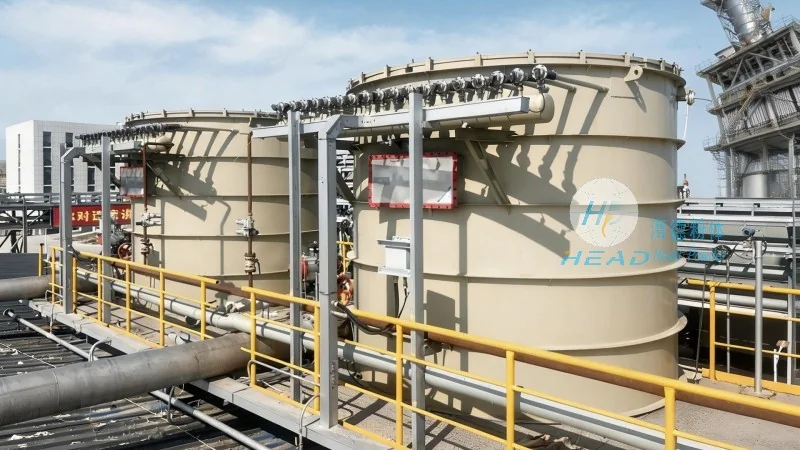
Acrylic esters rubber pneumatic conveying systems are widely used in various industrial applications. For instance, in the pharmaceutical industry, they are used to transport active pharmaceutical ingredients (APIs) and excipients, ensuring that the materials remain pure and free from contamination. In the food processing industry, these systems are employed to handle powders like sugar, flour, and spices, maintaining food safety standards. The chemical industry also utilizes such systems for transporting chemicals, including those that are corrosive or have high temperatures. Additionally, in the mining and mineral processing sectors, acrylic esters rubber pneumatic conveying systems are used to transport raw materials and byproducts, improving material handling efficiency. These applications highlight the versatility and effectiveness of acrylic esters rubber in enhancing the performance of pneumatic conveying systems across different industries.
Company Background and Expertise
Shandong HeadPowder Engineering Co., Ltd., a leading manufacturer in the field of material handling solutions, specializes in the design and production of high-quality pneumatic conveying systems. With a focus on innovation and customer satisfaction, the company has developed advanced solutions that incorporate materials like acrylic esters rubber to enhance system performance. Based in Shandong, China, HeadPowder Engineering Co., Ltd. leverages its expertise to provide reliable and efficient pneumatic conveying systems tailored to the needs of various industries.




