Coal sand pneumatic conveying systems are essential equipment in industrial applications, particularly in the handling and transportation of bulk materials like coal and sand. These systems utilize air as the conveying medium to transport materials from one location to another, offering advantages such as high efficiency, low maintenance, and the ability to handle materials in a dust-free environment. The operation process and working principle of such systems are crucial for understanding their functionality and optimizing their performance in various industrial settings.
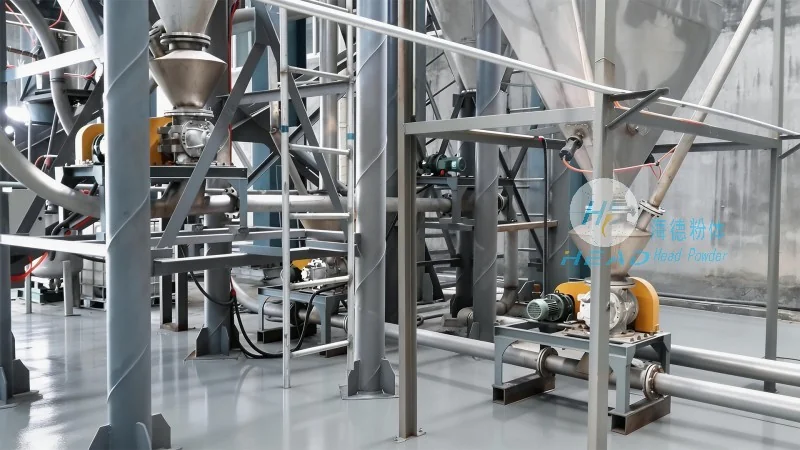
Company Overview: Shandong HeadPowder Engineering Co., Ltd.
HeadPowder, as the company name suggests, specializes in the design, manufacturing, and installation of pneumatic conveying systems. With a focus on providing reliable and efficient solutions for material handling, the company has established itself as a leading provider in the industry. HeadPowder's commitment to quality and innovation ensures that their coal sand pneumatic conveying systems meet the highest standards of performance and durability. The company's headquarters is located in Shandong, China, where it operates a state-of-the-art manufacturing facility equipped with advanced technology and skilled personnel.
Key Components of a Coal Sand Pneumatic Conveying System
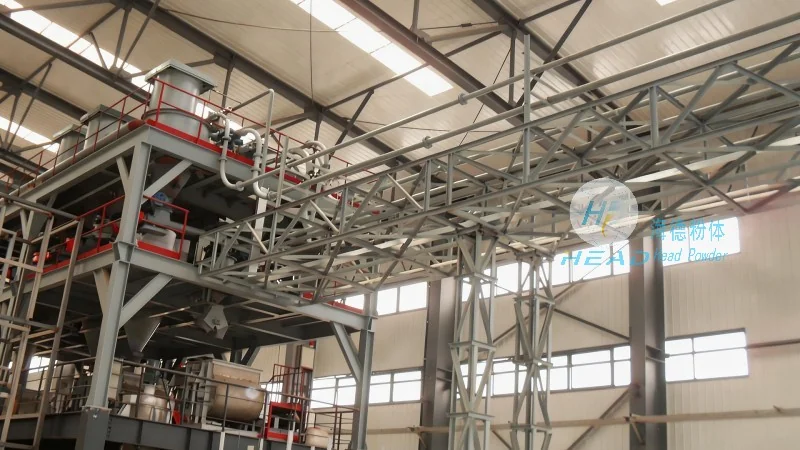
A typical coal sand pneumatic conveying system consists of several key components that work together to facilitate the transportation of materials. These components include the material hopper, which serves as the storage and feeding unit; the air compressor or blower, which generates the necessary air pressure to move the material; the conveying pipeline, which transports the material from the hopper to the discharge point; and the control system, which regulates the operation of the system. Each component plays a vital role in ensuring the smooth and efficient operation of the system.
Working Principle of the System
The working principle of a coal sand pneumatic conveying system is based on the principle of fluidization and pneumatic transport. When air is introduced into the material hopper at a controlled pressure, it creates a fluidized bed of coal sand. The air then lifts the material particles and carries them through the conveying pipeline to the discharge point. The system operates by creating a pressure differential between the hopper and the discharge point, which drives the material flow. The speed and pressure of the air are carefully controlled to ensure that the material is conveyed at an optimal rate without causing excessive wear or damage to the system components.
Operation Process: Step-by-Step
The operation process of a coal sand pneumatic conveying system involves several steps that are executed in a sequential manner. First, the material is loaded into the hopper, where it is stored and prepared for transport. Next, the air compressor or blower is activated, and the air is introduced into the hopper, creating the necessary pressure to fluidize the material. The material is then lifted and transported through the pipeline to the discharge point. The system continues to operate until the material in the hopper is depleted, at which point the process can be stopped or the hopper refilled. The control system monitors the pressure and flow rates throughout the operation to ensure that the system operates within safe and efficient parameters.
Advantages of Coal Sand Pneumatic Conveying Systems
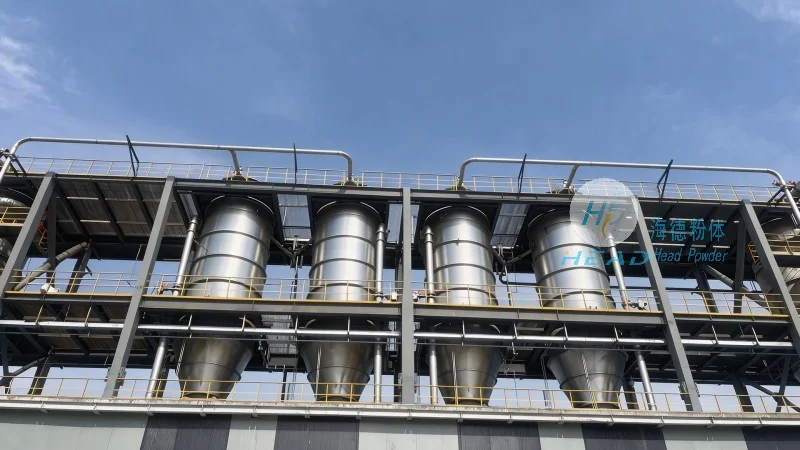
Coal sand pneumatic conveying systems offer several advantages over traditional mechanical conveying methods. These include the ability to handle materials in a dust-free environment, reducing the risk of dust explosions and improving workplace safety. The systems are also highly efficient, as they can transport materials over long distances with minimal energy consumption. Additionally, the systems are flexible and can be easily adapted to different material types and processing requirements. The low maintenance requirements and long service life of these systems make them a cost-effective solution for industrial material handling applications.
Applications in Industrial Settings
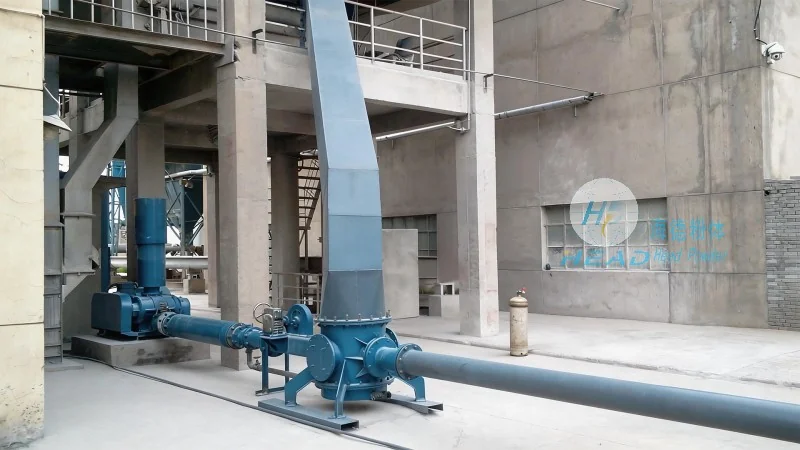
Coal sand pneumatic conveying systems are widely used in various industrial applications, including coal processing plants, mining operations, and construction material handling. In coal processing plants, these systems are used to transport coal from storage facilities to processing units, such as crushers and screens. In mining operations, they are used to transport coal and other minerals from the mine to processing facilities. In construction material handling, they are used to transport sand and other aggregates from storage sites to construction sites. The versatility and efficiency of these systems make them suitable for a wide range of industrial applications.
Conclusion
Coal sand pneumatic conveying systems are an essential part of modern industrial material handling, offering efficient and reliable solutions for transporting bulk materials. The operation process and working principle of these systems are based on the principles of fluidization and pneumatic transport, which allow for the safe and effective movement of materials. With the expertise of companies like Shandong HeadPowder Engineering Co., Ltd., these systems can be customized to meet the specific needs of different industrial applications, ensuring optimal performance and durability. The advantages of these systems, including their efficiency, safety, and flexibility, make them a preferred choice for many industrial operations.




