HeadPowder, a leading engineering company based in Shandong, China, specializes in the design and implementation of advanced pneumatic conveying systems for coffee bean processing. This article provides a detailed overview of the operation process and working principles of such systems, highlighting the efficiency and reliability that define modern coffee bean handling solutions.
Understanding Pneumatic Conveying Systems for Coffee Beans
Pneumatic conveying systems are essential in the coffee industry for transporting coffee beans from storage silos, processing units, or packaging areas. These systems utilize air pressure to move beans through a network of pipes, eliminating the need for mechanical components like belts or buckets that can cause contamination or damage to the product. The technology is particularly advantageous for coffee beans due to their delicate nature and the need for hygienic, dust-free handling.
Key Components of a Coffee Bean Pneumatic Conveying System
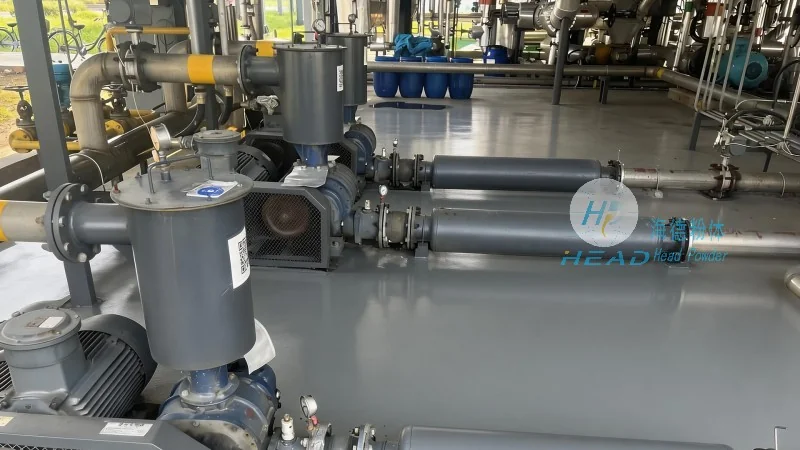
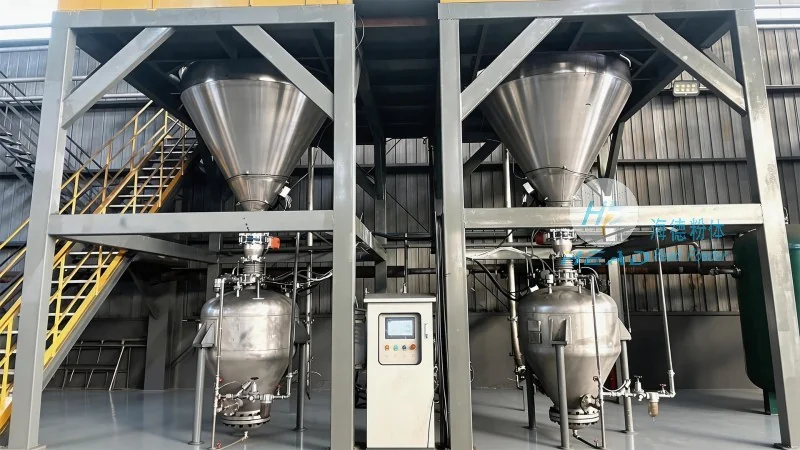
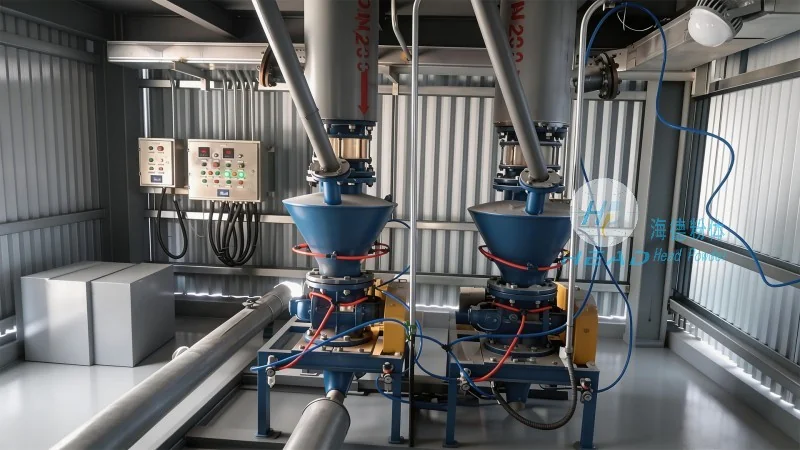
The core components of a coffee bean pneumatic conveying system include the hopper (or storage silo), the air compressor, the conveying line (pipes), the control valves, and the discharge point. Each component plays a critical role in ensuring the smooth and efficient movement of coffee beans. The hopper stores the raw coffee beans, while the air compressor generates the necessary air pressure to create a flow within the system. Control valves regulate the air pressure and flow rate, allowing operators to adjust the conveying speed based on the specific requirements of the process. The discharge point is where the coffee beans are delivered to the next stage of processing or packaging.
The Operation Process: From Hopper to Discharge
The operation process of a coffee bean pneumatic conveying system begins with the loading of coffee beans into the hopper. Once the hopper is filled, the air compressor is activated, creating a pressure differential between the hopper and the discharge point. This pressure difference forces the coffee beans to move through the conveying line. As the beans travel through the pipes, they are suspended by the air flow, which minimizes friction and prevents breakage or damage. The system can operate in either positive pressure or negative pressure modes, depending on the specific design and application requirements. Positive pressure systems push the beans forward using compressed air, while negative pressure systems create a vacuum to pull the beans through the line.
Working Principle: Air Flow and Particle Suspension
The working principle of a coffee bean pneumatic conveying system revolves around the suspension of coffee beans in a stream of air. When the air compressor generates pressure, it forces air through the conveying line at a high velocity. The coffee beans are then introduced into the system, typically via a feeder or hopper, and are carried along by the air flow. The key to efficient conveying is achieving the correct air-to-particle ratio, which ensures that the beans are fully suspended without excessive air consumption. This ratio is determined by factors such as the size, density, and moisture content of the coffee beans, as well as the diameter and length of the conveying line. Proper suspension prevents blockages and ensures consistent flow rates, which are critical for maintaining product quality and system efficiency.
Advantages of Pneumatic Conveying for Coffee Beans
Pneumatic conveying systems offer several advantages for coffee bean handling. Firstly, they provide a hygienic and dust-free environment, which is essential for maintaining the quality and safety of coffee products. Unlike mechanical systems, there are no moving parts that come into direct contact with the beans, reducing the risk of contamination. Secondly, these systems are highly flexible and can be easily integrated into existing processing lines. They can handle various types of coffee beans, including roasted and unroasted varieties, and can transport them over long distances without the need for intermediate storage or handling. Thirdly, pneumatic conveying systems are energy-efficient and can be optimized to minimize air consumption, reducing operational costs. The ability to control the flow rate and pressure allows operators to adapt the system to different production volumes and requirements, ensuring optimal performance.
Applications in Coffee Processing
Coffee bean pneumatic conveying systems are widely used in various stages of coffee processing. In the raw coffee bean stage, they are used to transport beans from storage silos to roasting machines. During roasting, the system can be used to convey roasted beans from the roaster to cooling and packaging units. Additionally, these systems are employed in the post-roasting process for transferring beans to grinding or blending equipment. The versatility of pneumatic conveying makes it suitable for both small-scale and large-scale coffee processing facilities, providing a reliable solution for efficient bean handling.
Maintenance and Best Practices
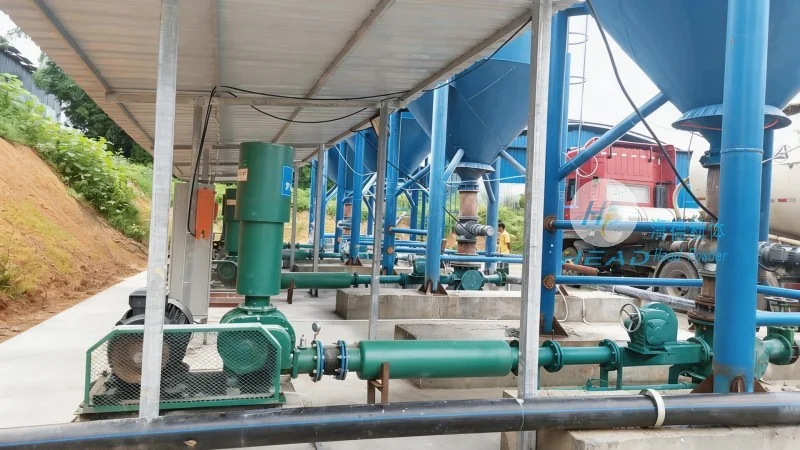
To ensure the longevity and efficiency of a coffee bean pneumatic conveying system, regular maintenance is essential. This includes checking the air compressor for proper operation, inspecting the conveying lines for blockages or wear, and cleaning the system to prevent the buildup of coffee residue. Proper maintenance not only extends the lifespan of the equipment but also ensures consistent performance and product quality. It is also important to follow best practices, such as using appropriate filters to remove dust and debris from the air, and regularly lubricating moving parts to prevent wear and tear. By adhering to these practices, coffee processing facilities can maximize the benefits of their pneumatic conveying systems and maintain high standards of production.
Conclusion
HeadPowder Engineering Co., Ltd., based in Shandong, China, specializes in the design and implementation of advanced coffee bean pneumatic conveying systems. These systems offer a reliable, hygienic, and efficient solution for transporting coffee beans through various stages of processing. By understanding the operation process and working principles of such systems, coffee processing facilities can optimize their operations, improve product quality, and reduce operational costs. The integration of modern pneumatic conveying technology, as offered by HeadPowder, is a key factor in achieving success in the competitive coffee industry.




