When handling fluorspar powder through pneumatic conveying systems, ensuring smooth material transport is crucial. However, pipeline blockages can significantly disrupt operations, leading to downtime and increased maintenance costs. This article explores effective strategies to prevent blockages in such systems, focusing on critical design parameters that enhance system efficiency and reliability.
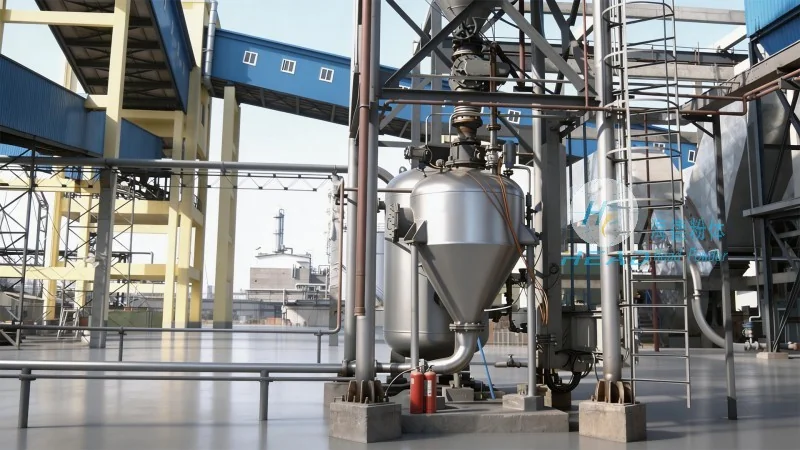
Understanding the Risks of Pipeline Blockages in Fluorspar Powder Conveying
Fluorspar powder, with its specific physical properties like particle size, moisture content, and flow characteristics, poses unique challenges in pneumatic transport. Blockages can occur due to agglomeration, excessive pressure drops, or inadequate air flow. These issues not only affect the continuity of production but also require costly interventions to restore normal operation. Therefore, implementing robust design measures is essential to mitigate these risks.
Key Design Parameters for Preventing Blockages in Pneumatic Conveying Systems
Several key design parameters play a pivotal role in preventing pipeline blockages during fluorspar powder transport. The first is the air velocity, which must be optimized to maintain sufficient shear forces to keep particles suspended. Typically, air velocities range from 20 to 30 m/s for fine powders like fluorspar, ensuring particles remain in suspension and preventing settling. Another critical parameter is the pipeline diameter, as larger diameters reduce pressure drop and minimize the risk of particle accumulation. Additionally, the system's pressure drop across the conveying line should be monitored closely; excessive pressure drops indicate potential blockages, prompting adjustments to air flow or particle feed rates.
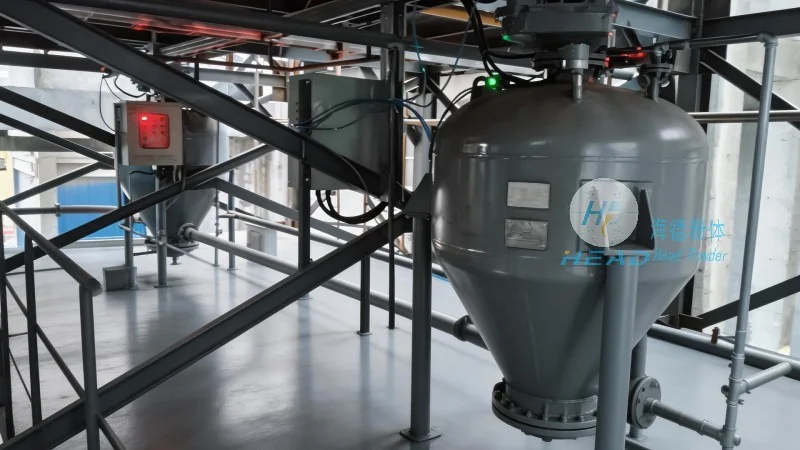
Material Handling Equipment and Its Impact on Blockage Prevention
The choice of material handling equipment, such as rotary valves and feeders, directly influences the likelihood of blockages. Properly sized and maintained rotary valves ensure a consistent and controlled feed of fluorspar powder into the conveying line, preventing surges that could lead to clogs. Moreover, the use of inline mixers or agitators can help break up agglomerates, ensuring uniform particle distribution and reducing the risk of blockages. These components are integral to the overall design, as their performance directly impacts the system's ability to handle fluorspar powder without interruptions.
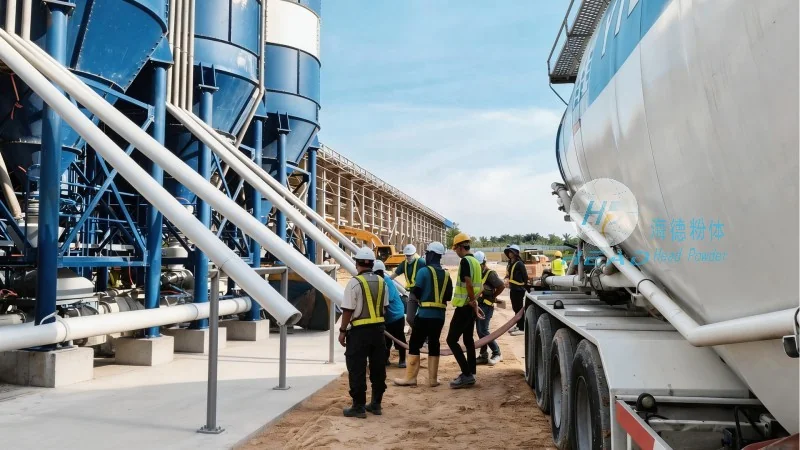
System Sizing and Air Flow Management for Optimal Performance
Accurate system sizing is fundamental to preventing blockages. Under-sizing the air compressor or conveying line can lead to insufficient air flow, causing particles to settle and accumulate. Conversely, over-sizing may result in excessive energy consumption without improving performance. Therefore, a thorough analysis of the fluorspar powder's bulk density, particle size distribution, and required conveying distance is essential. This analysis helps determine the appropriate air flow rate and pressure, ensuring the system operates within optimal parameters. Regular monitoring of air flow and pressure using sensors and control systems further enhances the ability to detect and address potential blockage issues promptly.
Maintenance and Operational Practices to Minimize Blockages
Even with optimal design, regular maintenance and proper operational practices are vital to prevent blockages. Cleaning the conveying line and equipment after each shift or batch can remove residual powder that may cause agglomeration. Additionally, monitoring the moisture content of the fluorspar powder is crucial, as higher moisture levels can lead to clumping. Adjusting the feed rate based on real-time system conditions, such as pressure drop or air flow, allows operators to maintain stable operation and prevent overloading the system. These practices, combined with the design parameters discussed, create a comprehensive approach to minimizing blockages and ensuring reliable pneumatic conveying of fluorspar powder.




