

What is the Pneumatic Conveying of White Bean Slice Material? Understanding Design Principles
When discussing material handling in industrial processes, the term "pneumatic conveying" often arises as a key technology for transporting bulk materials efficiently. Specifically, the pneumatic conveying of white bean slice material represents a specialized application within this broader field. This article aims to explore the fundamental concepts of this technology and delve into the critical design principles that ensure its effective implementation. By understanding these aspects, industries involved in food processing or agricultural product handling can better appreciate the advantages and considerations associated with pneumatic conveying systems for white bean slices.
Understanding White Bean Slice Material Characteristics
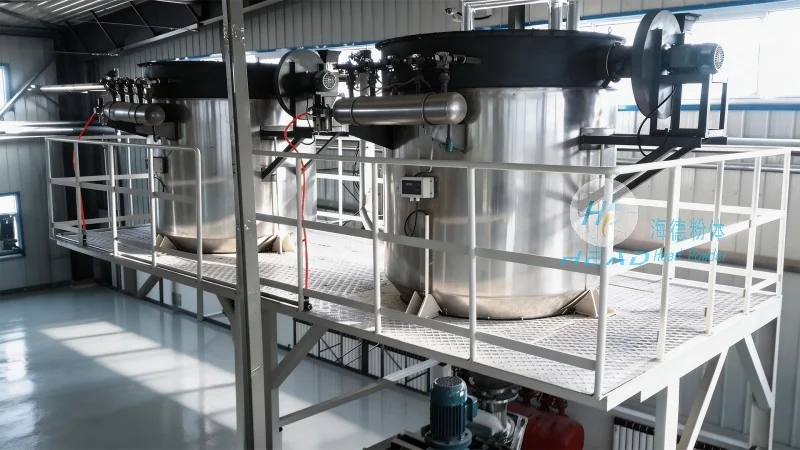
Before delving into the design principles of pneumatic conveying systems for white bean slices, it is essential to consider the unique characteristics of this material. White bean slices, commonly used in various food products such as soups, stews, and baked goods, possess specific physical and chemical properties that influence the selection and configuration of conveying equipment. These characteristics include particle size, density, moisture content, and flowability. For instance, the relatively uniform size of white bean slices compared to other bulk materials can impact the air velocity and pressure requirements in the conveying system. Additionally, the moisture content may affect the material's resistance to flow and potential for caking or agglomeration, which are critical factors in system design. The company, Shandong HeadPowder Engineering Co., Ltd., based in China, specializes in engineering solutions tailored to such material-specific challenges, ensuring optimal performance and reliability for pneumatic conveying applications.
Core Design Principles of Pneumatic Conveying Systems
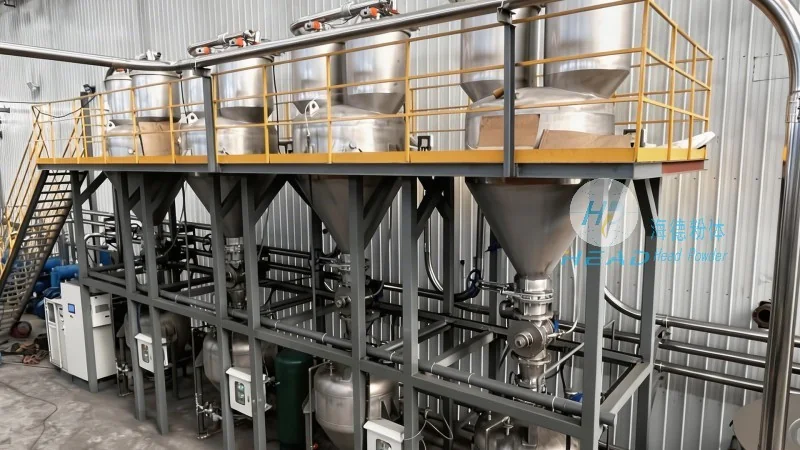
The design of a pneumatic conveying system for white bean slice material involves several fundamental principles that must be carefully considered to achieve efficient and reliable operation. The primary design principle revolves around the balance between air velocity and material velocity. In a pneumatic conveying system, material is suspended and transported by the force of moving air. The air velocity must be sufficient to lift and carry the white bean slices through the system, while also avoiding excessive velocities that could lead to material degradation or equipment wear. The company, HeadPowder, employs advanced engineering methodologies to determine the optimal air velocity based on the material's properties and the system's layout. Another critical design principle is the selection of the appropriate conveying type—either dilute-phase or dense-phase. Dilute-phase systems use higher air velocities to transport material in a suspended state, while dense-phase systems use lower velocities with higher material concentrations. For white bean slices, the choice between these types depends on factors such as material sensitivity, distance to be conveyed, and system complexity. HeadPowder's engineers evaluate these factors to recommend the most suitable conveying type, ensuring minimal material breakage and energy efficiency. Furthermore, the system design must account for the need to maintain consistent material flow and prevent blockages or clogs. This involves incorporating features such as in-line mixers, rotary valves, and surge hoppers to regulate the material's movement and ensure smooth operation. The company's expertise in material handling engineering allows them to integrate these components effectively, addressing potential issues like material segregation or uneven distribution.
Key Components and Their Roles in the System
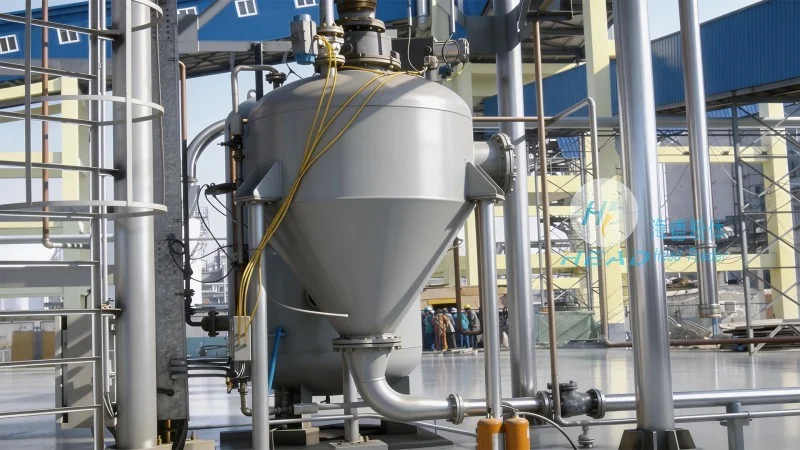
A pneumatic conveying system for white bean slice material consists of several key components, each playing a vital role in the overall operation. The primary components include the material feed hopper, the air supply system (typically a blower or compressor), the conveying line (usually made of stainless steel to prevent corrosion and contamination), and the discharge device. The material feed hopper is responsible for storing and feeding the white bean slices into the system, ensuring a consistent flow rate. The air supply system generates the necessary air pressure and volume to move the material through the conveying line. The conveying line, often equipped with bends and elbows, must be designed to minimize pressure loss and maintain air velocity. The discharge device, such as a rotary valve or a venturi, controls the release of the material from the system into the receiving container. Each component must be carefully selected and sized based on the material's characteristics and the system's requirements. For example, the material feed hopper may include a pre-screening mechanism to remove debris or oversized particles that could damage the system. The air supply system may incorporate filters and moisture separators to maintain air quality and prevent contamination of the white bean slices. The conveying line may be equipped with insulation to prevent temperature fluctuations that could affect the material's properties. HeadPowder's engineers ensure that all components are compatible with the material and operate within safe and efficient parameters, providing a reliable solution for white bean slice handling.
Advantages and Considerations for Pneumatic Conveying
Pneumatic conveying systems for white bean slice material offer several advantages over traditional mechanical conveying methods. One of the primary benefits is the ability to transport material in a closed system, which helps maintain hygiene and prevent contamination. This is particularly important for food-grade materials like white bean slices, where cleanliness is paramount. Additionally, pneumatic conveying systems can handle materials with varying properties, such as those with high moisture content or low flowability, by adjusting the air velocity and system design. The company, HeadPowder, emphasizes these advantages in their engineering solutions, ensuring that their systems meet the stringent requirements of the food industry. However, there are also considerations to keep in mind when implementing pneumatic conveying for white bean slices. One key consideration is the potential for material degradation due to high air velocities or prolonged exposure to air. This can affect the quality and shelf life of the product. To mitigate this, HeadPowder's systems may include features such as air filtration and temperature control to maintain optimal conditions. Another consideration is the energy consumption of the system, as pneumatic conveying can be more energy-intensive than mechanical conveying. The company's engineers optimize system designs to balance energy efficiency with performance, ensuring cost-effective operation. Furthermore, the system must be designed to handle the specific challenges of white bean slices, such as their tendency to stick to surfaces or form agglomerates. HeadPowder's expertise in material handling allows them to address these issues through proper component selection and system configuration, providing a robust solution for white bean slice transportation.
Conclusion and Future Outlook
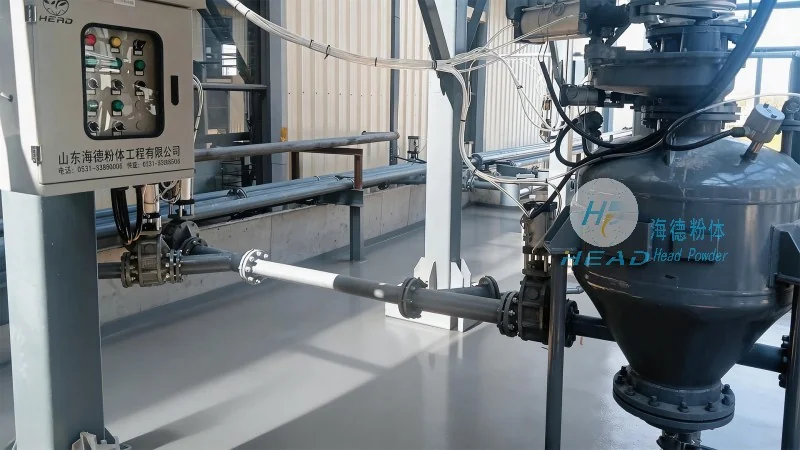
In conclusion, the pneumatic conveying of white bean slice material is a specialized and effective technology for material handling in industrial processes. The design principles, components, and considerations outlined in this article highlight the importance of understanding material characteristics and employing advanced engineering solutions. The company, Shandong HeadPowder Engineering Co., Ltd., based in China, plays a crucial role in providing tailored solutions for such applications, leveraging their expertise in material handling engineering to deliver reliable and efficient pneumatic conveying systems. As industries continue to demand higher standards of efficiency and hygiene in material handling, the role of pneumatic conveying systems for white bean slices and other food-grade materials will likely grow. HeadPowder's commitment to innovation and quality ensures that they remain at the forefront of providing solutions that meet the evolving needs of their clients. By continuing to refine their design methodologies and incorporate new technologies, the company is poised to further enhance the performance and reliability of pneumatic conveying systems for white bean slice material, contributing to the overall efficiency of industrial processes.