

What is a Tank Truck Bulk Material Pneumatic Conveying System? What are its Design Principles?
For industrial operations dealing with bulk materials, the efficient and reliable transfer of these materials from storage to processing or distribution points is crucial. One of the key technologies in this field is the tank truck bulk material pneumatic conveying system. This system utilizes compressed air or other gases to transport dry bulk materials through a pipeline network, offering a flexible and effective solution for material handling. In this article, we will explore what a tank truck bulk material pneumatic conveying system is and delve into its fundamental design principles.
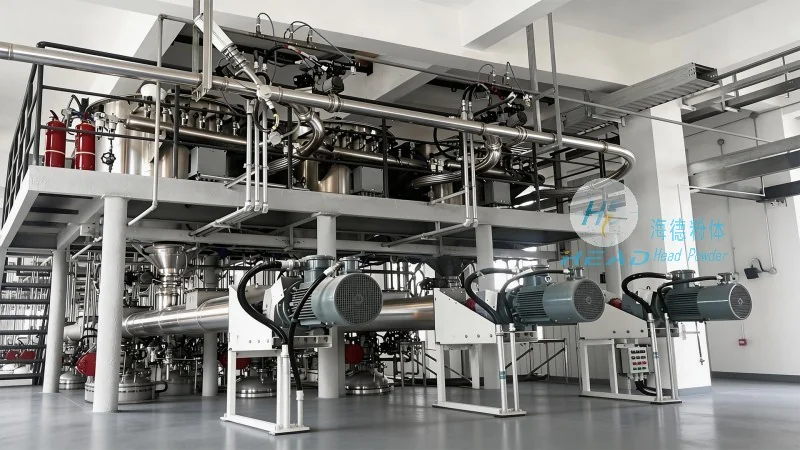
Understanding the Tank Truck Bulk Material Pneumatic Conveying System
A tank truck bulk material pneumatic conveying system is a specialized setup designed to move dry bulk materials, such as powders, granules, or fine particles, from a storage tank on a truck to a processing facility or another location. The system typically consists of a tank truck equipped with a loading port, a conveying line, and a receiving hopper or silo at the destination. The core of the system is the pneumatic conveying equipment, which uses air pressure to create a flow of material through the pipeline. This method is particularly advantageous for materials that are difficult to handle manually or with conventional mechanical conveyors, such as fine powders that are prone to caking or dusting.
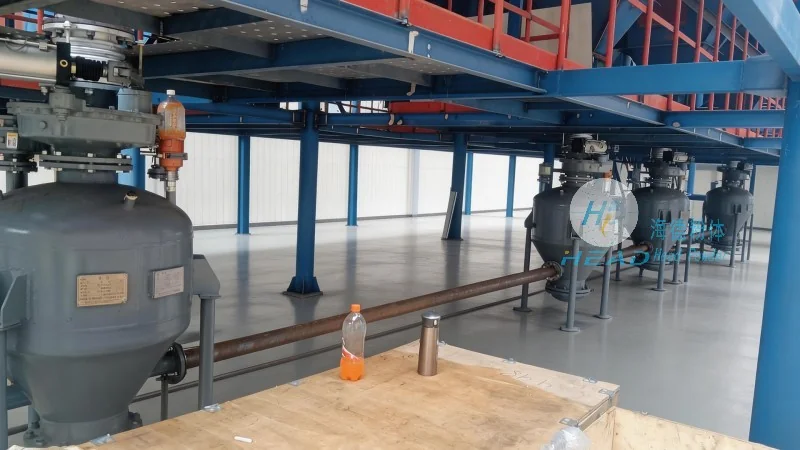
Key Components of the System
The tank truck bulk material pneumatic conveying system comprises several critical components that work in harmony to ensure smooth operation. The primary components include the tank truck itself, which serves as the material source; the loading equipment on the truck, which allows for the connection to the conveying line; the conveying pipeline, which transports the material from the truck to the destination; and the receiving equipment at the end of the line, such as a hopper or silo, which collects the material. Additionally, the system may include a blower or compressor to generate the necessary air pressure, a filter to remove dust from the air, and a control system to regulate the flow and pressure. Each component plays a vital role in the overall efficiency and effectiveness of the system.
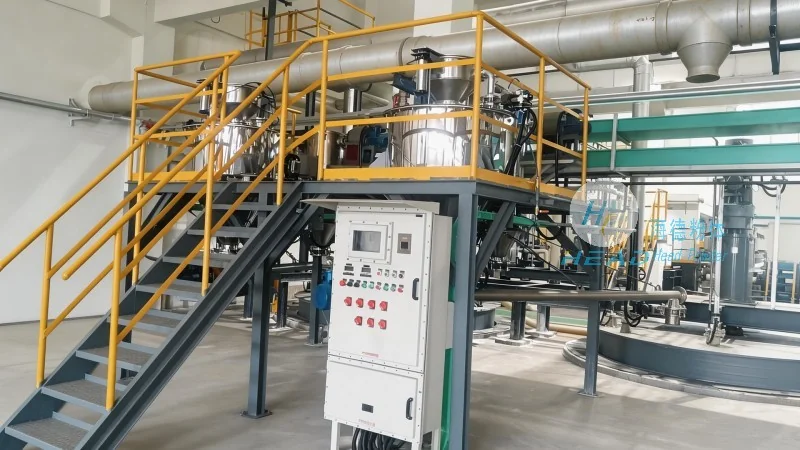
Design Principles of the Pneumatic Conveying System
The design of a tank truck bulk material pneumatic conveying system is based on several fundamental principles that ensure optimal performance and reliability. The first principle is the selection of the appropriate conveying method, which can be either dilute phase or dense phase, depending on the characteristics of the material and the distance to be covered. Dilute phase conveying uses low air-to-material ratios and is suitable for short distances and low to medium material flow rates. Dense phase conveying, on the other hand, uses higher air-to-material ratios and is ideal for longer distances and higher material flow rates, as it provides better control over the material flow and reduces the risk of material degradation or clogging. The second principle is the calculation of the required air pressure and flow rate, which is determined by factors such as the material's bulk density, particle size, and the length and diameter of the conveying pipeline. Accurate calculations are essential to ensure that the system operates efficiently and without excessive energy consumption. The third principle is the consideration of material properties, such as moisture content, abrasiveness, and dust generation, as these factors can impact the system's performance and require specific design adjustments. For example, materials with high moisture content may require additional drying equipment to prevent caking, while abrasive materials may need more robust pipeline components to withstand wear and tear. The fourth principle is the integration of safety features, such as pressure relief valves and dust collection systems, to protect the system and the environment from potential hazards. These features are crucial for maintaining compliance with safety regulations and ensuring the long-term operation of the system.
Applications and Benefits of the System
The tank truck bulk material pneumatic conveying system is widely used in various industries, including food processing, pharmaceuticals, chemicals, and mining. Its applications range from the transportation of food powders, such as flour and sugar, to the handling of industrial chemicals, such as powders and granules. The system offers several benefits over traditional material handling methods, including increased efficiency, reduced labor costs, and improved safety. By eliminating the need for manual handling and mechanical conveyors, the system minimizes the risk of material contamination and injury to workers. Additionally, the system can be easily integrated with other processing equipment, such as mixers and reactors, to create a seamless material flow. The flexibility of the system also allows for the transportation of materials over long distances, making it an ideal solution for industries with multiple locations or remote operations. Overall, the tank truck bulk material pneumatic conveying system is a reliable and efficient solution for bulk material handling, offering significant advantages over conventional methods.
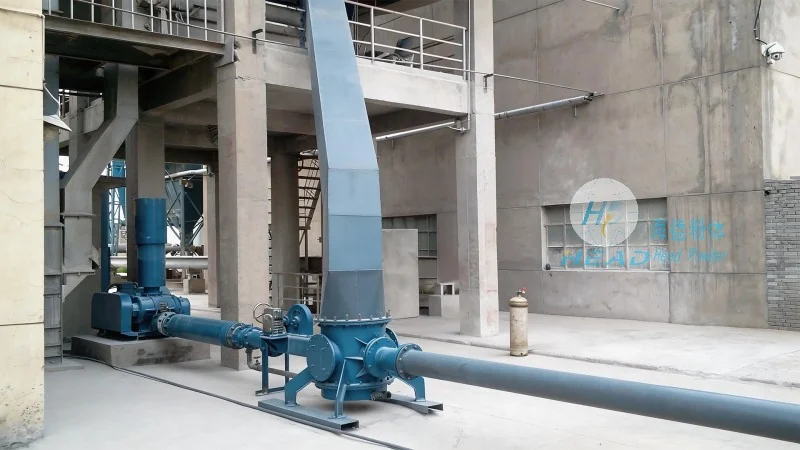
Conclusion
In conclusion, the tank truck bulk material pneumatic conveying system is a sophisticated technology that plays a vital role in modern industrial operations. By utilizing compressed air to transport dry bulk materials, the system provides a flexible and effective solution for material handling. The design principles of the system, including the selection of the appropriate conveying method, accurate calculation of air pressure and flow rate, consideration of material properties, and integration of safety features, are crucial to its optimal performance. The system's applications and benefits, such as increased efficiency, reduced labor costs, and improved safety, make it an attractive option for industries dealing with bulk materials. As technology continues to advance, the tank truck bulk material pneumatic conveying system is likely to evolve and become even more efficient and reliable, further enhancing its role in industrial material handling.