When it comes to transporting glass fibers using pneumatic conveying systems, preventing pipeline blockages is a critical challenge. These systems rely on air pressure to move the material, and if not properly designed, they can experience clogs that disrupt production and increase maintenance costs. Understanding the key design parameters is essential for ensuring efficient and reliable operation.
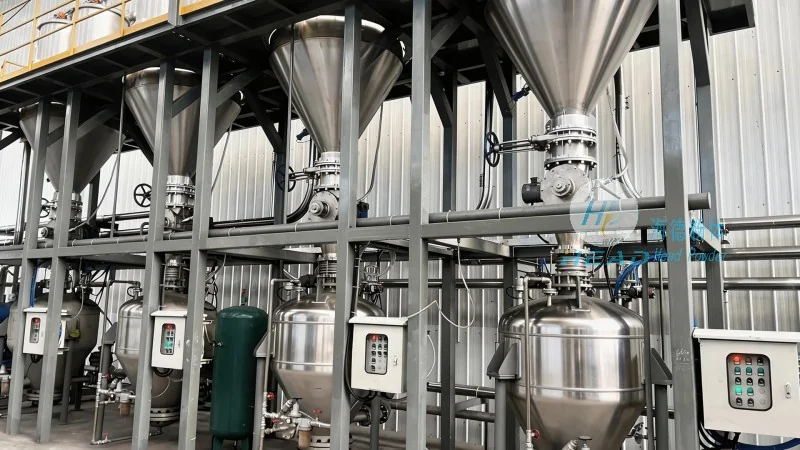
Introduction to Pneumatic Conveying for Glass Fibers
Glass fibers are lightweight, abrasive, and often have irregular shapes, making them difficult to handle in traditional conveying methods. Pneumatic conveying systems offer a solution by using compressed air to transport these fibers through pipelines. However, the unique properties of glass fibers can lead to blockages if the system is not optimized. This article explores the strategies and design parameters that help prevent pipeline blockages in such systems, with a focus on the expertise of Shandong HeadPowder Engineering Co., Ltd., a leading provider in the field.
Understanding the Risks of Pipeline Blockages
Pipeline blockages in pneumatic conveying systems for glass fibers can occur due to several factors. The abrasive nature of glass fibers can wear down pipeline components over time, leading to uneven surfaces that trap particles. Additionally, the lightweight and aerodynamic properties of glass fibers can cause them to settle in low-velocity areas of the pipeline, forming a buildup that eventually blocks the flow. These blockages not only halt production but also increase the risk of equipment damage and safety hazards. Therefore, implementing effective prevention measures is crucial for maintaining system efficiency and longevity.
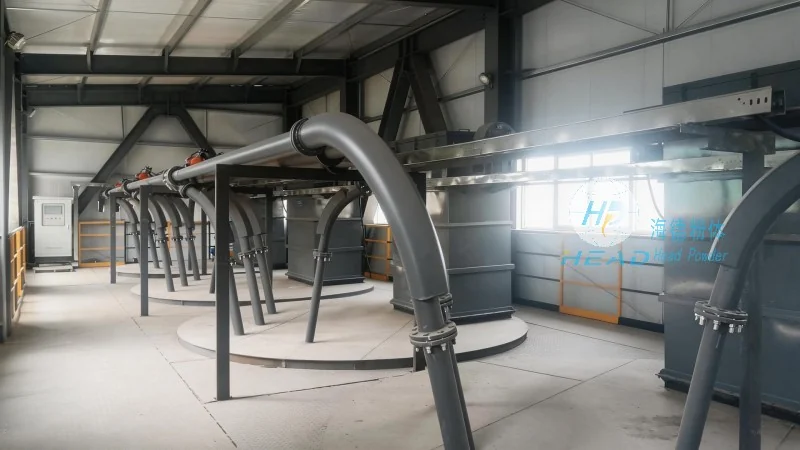
Key Design Parameters for Preventing Blockages
Several key design parameters must be considered when designing a pneumatic conveying system for glass fibers to minimize the risk of blockages. The first parameter is the conveying velocity, which should be maintained at an optimal level to keep the fibers in suspension. Higher velocities help prevent settlement and ensure smooth flow. The second parameter is the pressure and air flow rate, as insufficient air pressure can lead to inadequate movement of the material, causing clogs. The third parameter is the pipe diameter and material, which should be selected to accommodate the size and density of the glass fibers. Larger diameters and smooth, non-abrasive pipe materials reduce friction and the likelihood of particle accumulation. Additionally, the design of bends and fittings is critical; using larger radius bends and avoiding sharp angles can prevent fibers from being trapped or deformed during the conveying process. Finally, the inclusion of cleaning mechanisms, such as air knives or rotary valves, can help maintain system performance by removing any accumulated particles before they cause blockages.
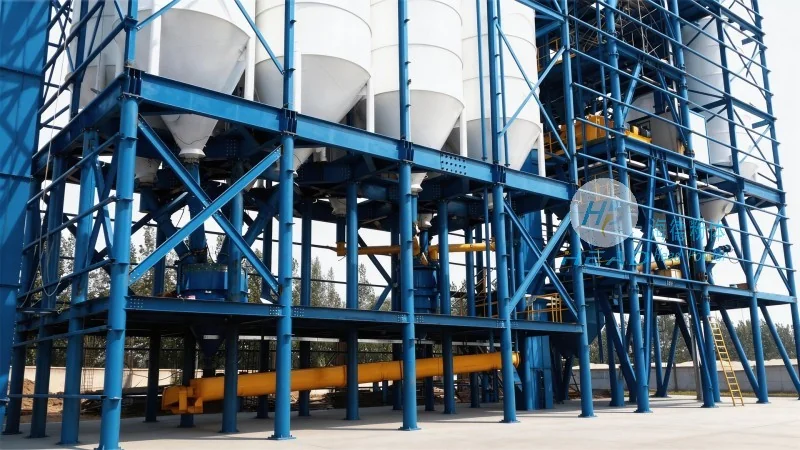
The Role of Shandong HeadPowder Engineering Co., Ltd.
Shandong HeadPowder Engineering Co., Ltd., commonly known as HeadPowder, specializes in the design and implementation of pneumatic conveying systems tailored to the unique needs of glass fiber manufacturers. With years of experience in the industry, HeadPowder has developed a deep understanding of the challenges associated with glass fiber transport and has implemented advanced solutions to prevent blockages. The company’s engineers work closely with clients to assess their specific requirements, including the type and quantity of glass fibers, production volume, and operational environment. Based on this assessment, they design systems that incorporate the key parameters discussed above, ensuring optimal performance and minimal downtime. HeadPowder’s commitment to quality and innovation has made them a trusted partner for glass fiber producers seeking reliable and efficient conveying solutions.
Conclusion and Best Practices
Preventing pipeline blockages in pneumatic conveying systems for glass fibers requires a comprehensive approach that considers multiple design parameters. By optimizing conveying velocity, pressure, pipe diameter, and system components, manufacturers can significantly reduce the risk of clogs and maintain smooth operation. The expertise of companies like Shandong HeadPowder Engineering Co., Ltd. is invaluable in this process, as they provide tailored solutions that address the specific challenges of glass fiber transport. Implementing these best practices not only improves system efficiency but also extends the lifespan of equipment and reduces maintenance costs. For glass fiber producers, investing in a well-designed pneumatic conveying system is a strategic decision that ensures consistent production and competitive advantage in the market.




