For industrial applications involving the handling of calcium carbide dust, pneumatic conveying systems offer an efficient method to transport materials while maintaining operational safety and system reliability. However, a common challenge in such systems is the risk of pipeline blockages, which can lead to downtime, increased maintenance costs, and potential safety hazards. Understanding and implementing the right design parameters are crucial to mitigate these risks and ensure smooth operation. This article explores effective strategies to prevent pipeline blockages in pneumatic conveying systems specifically for calcium carbide dust removal, with a focus on key design considerations.
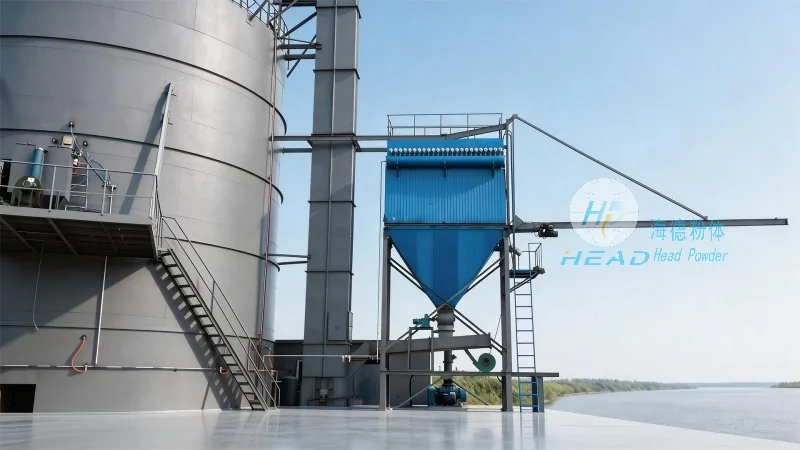
Shandong HeadPowder Engineering Co., Ltd., a leading provider in the field, specializes in designing and manufacturing customized pneumatic conveying solutions tailored to the unique demands of industrial processes. With years of experience in handling abrasive and challenging materials like calcium carbide dust, the company has developed a comprehensive approach to system design that prioritizes efficiency, durability, and safety. The following sections outline the critical design parameters that contribute to preventing pipeline blockages in such applications.
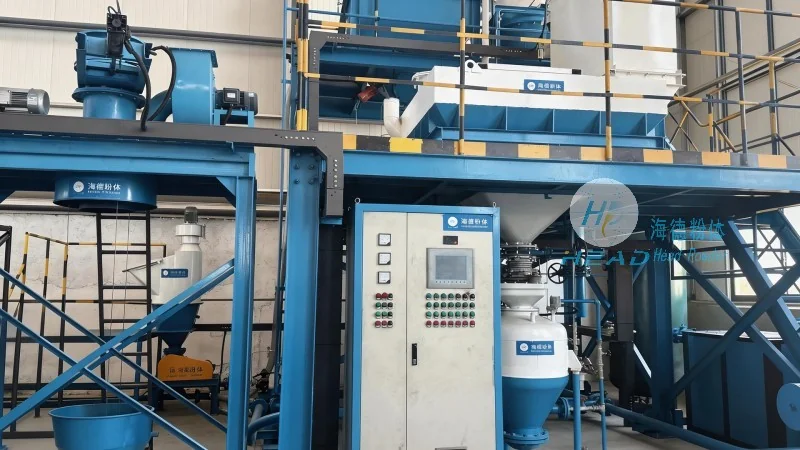
System Pressure and Flow Rate: Balancing Efficiency and Material Handling
One of the primary factors influencing the performance of a pneumatic conveying system is the system pressure and flow rate. The pressure must be sufficient to overcome the resistance caused by the material's density, friction, and the system's geometry. For calcium carbide dust, which can be abrasive and have varying particle sizes, an optimal pressure range is typically between 0.5 to 1.5 bar. The flow rate, measured in cubic meters per hour (m³/h), is directly related to the system's capacity and the velocity of the conveying medium. A higher flow rate generally increases the risk of blockages due to increased friction and potential for material accumulation. Therefore, a balanced approach is essential—maintaining a pressure level that ensures material transport without causing excessive stress on the system components. HeadPowder engineers recommend conducting thorough material testing to determine the optimal pressure and flow rate for each specific application, ensuring that the system operates within its design limits.
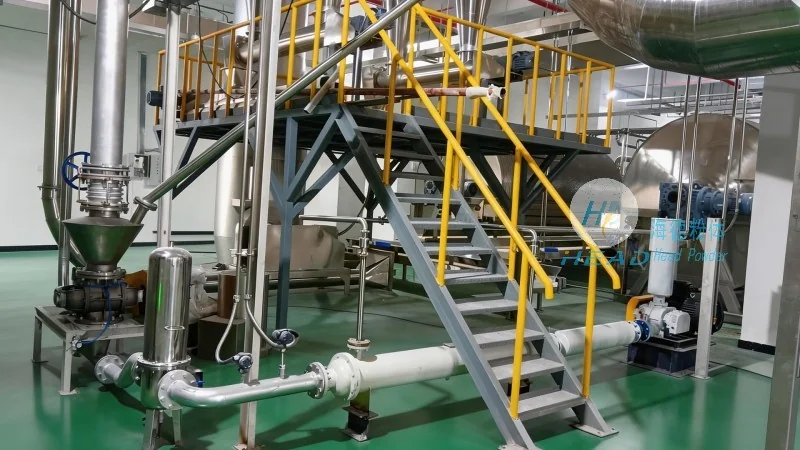
Pipe Diameter and Material Selection: Impact on Flow and Resistance
The diameter of the conveying pipes is a critical design parameter that directly affects the system's efficiency and the likelihood of blockages. Larger pipe diameters reduce friction losses and allow for higher material flow rates, but they also increase the system's cost and space requirements. Conversely, smaller diameters may be more cost-effective but can lead to higher resistance and a higher risk of blockages, especially with abrasive materials like calcium carbide dust. The material of the pipes also plays a significant role. Stainless steel or high-grade carbon steel is commonly used due to their resistance to corrosion and wear from the abrasive dust. HeadPowder recommends selecting pipes with a smooth interior surface to minimize friction and ensure consistent material flow. Additionally, the use of flexible connectors and proper pipe supports helps maintain the system's integrity and prevent sagging, which can contribute to blockages.
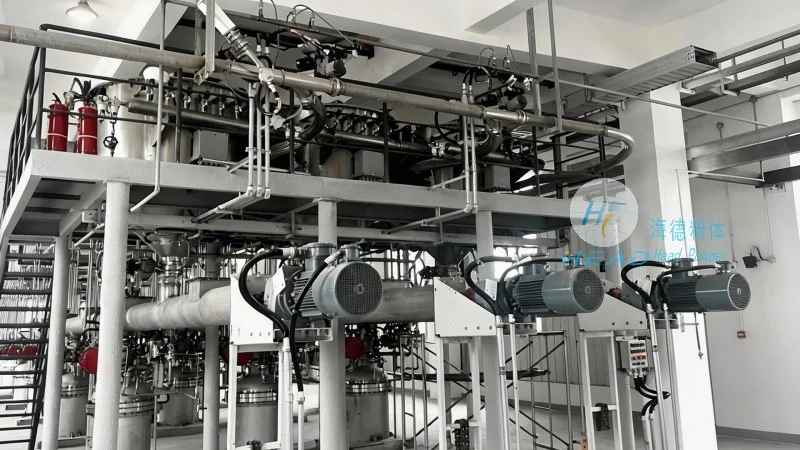
Bend and Elbow Design: Minimizing Resistance and Material Accumulation
Bends and elbows in the conveying system are common points where blockages can occur due to the change in direction and the potential for material to settle or accumulate. The design of these components is crucial to maintaining smooth flow and preventing stagnation. HeadPowder engineers suggest using long-radius bends or sweeping elbows with a radius of at least 5 times the pipe diameter. This design reduces the velocity change and minimizes the impact on the material, preventing it from sticking to the pipe walls. Additionally, the use of smooth, rounded bends and avoiding sharp angles is essential. Regular cleaning and maintenance of these components are also recommended to prevent the buildup of dust and debris, which can exacerbate blockage risks.




