When handling quartz sand through pneumatic conveying systems, preventing pipeline blockages is a critical challenge. The efficiency and reliability of the entire conveying process depend heavily on proper system design and operational parameters. This article explores effective strategies to mitigate blockages and highlights key design parameters that ensure smooth, uninterrupted quartz sand transport.
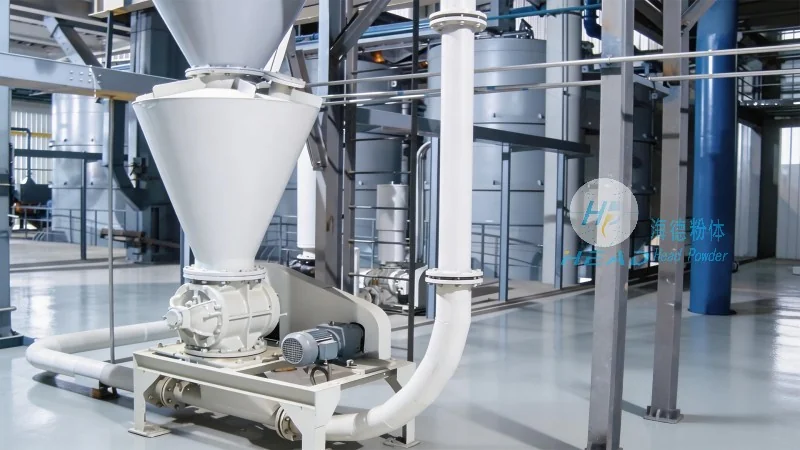
About HeadPowder Engineering
HeadPowder, a leading provider of pneumatic conveying solutions, specializes in engineering systems tailored for abrasive and high-density materials like quartz sand. With a strong presence in Shandong, China, the company has developed expertise in optimizing material handling processes to minimize downtime and maximize productivity. Their solutions are designed to address the unique challenges of quartz sand, ensuring safe and efficient transport from source to destination.
Key Design Parameters for Preventing Blockages in Quartz Sand Conveying
Several critical design parameters must be considered when designing a pneumatic conveying system for quartz sand to prevent blockages. The first is the selection of appropriate air velocity. Maintaining a consistent and sufficient air velocity is essential to keep the material in suspension and prevent particles from settling and clogging the pipeline. For quartz sand, which can be abrasive and have varying particle sizes, the air velocity needs to be carefully calculated based on the material's bulk density, particle size distribution, and flow rate requirements.
Another crucial parameter is the pipeline diameter. The diameter of the conveying line directly impacts the pressure drop and the ability of the system to handle the material's characteristics. A larger diameter reduces friction losses and allows for higher material flow rates, but it also increases system cost and space requirements. Conversely, a smaller diameter may lead to higher pressure drops and increased risk of blockages, especially with high-density materials like quartz sand. HeadPowder engineers recommend selecting a diameter that balances these factors, ensuring optimal performance and minimizing the risk of clogs.
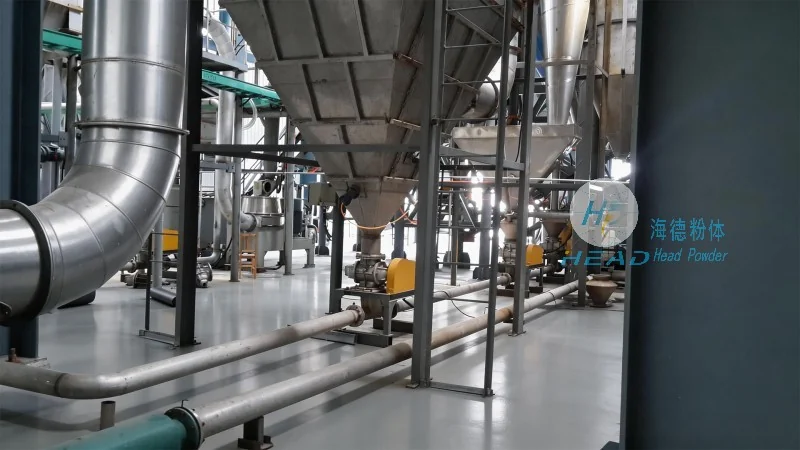
The material's bulk density and particle size distribution are also critical factors. Quartz sand typically has a high bulk density, which means it requires more air power to keep the material in suspension. The particle size distribution affects how easily the material can be conveyed; finer particles may require higher air velocities to prevent settling, while coarser particles may need a larger diameter to prevent abrasion and wear. HeadPowder's design team conducts thorough material analysis to determine the optimal parameters for each application, ensuring that the system is tailored to the specific characteristics of the quartz sand being handled.
System pressure and flow rate are additional key parameters. The pressure required to move the quartz sand through the pipeline depends on the system's length, elevation changes, and the number of bends or fittings. Higher pressure can help maintain material suspension but increases energy consumption and equipment costs. HeadPowder's engineers use advanced modeling tools to calculate the necessary pressure and flow rate, ensuring that the system operates efficiently without excessive energy use. This involves considering the total length of the pipeline, the number of vertical and horizontal sections, and any changes in elevation that may affect the material's movement.
The type of conveying system (e.g., dilute-phase or dense-phase) also plays a significant role in preventing blockages. Dilute-phase systems use higher air velocities to keep the material suspended, which is suitable for shorter distances and lower material loads. Dense-phase systems, on the other hand, use lower air velocities and higher material concentrations, which is ideal for longer distances and higher material loads. For quartz sand, the choice between these systems depends on the specific application and the distance the material needs to travel. HeadPowder offers both dilute-phase and dense-phase solutions, allowing customers to select the most appropriate system based on their operational needs and the characteristics of their quartz sand.
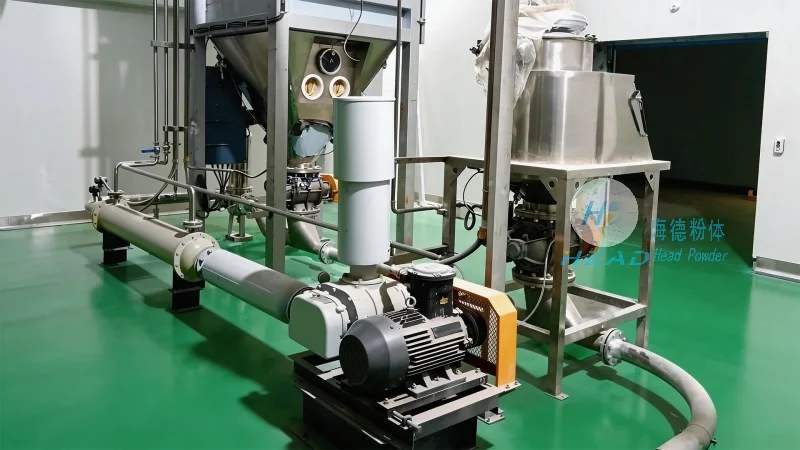
Proper system sizing and equipment selection are also critical. This includes selecting the right air compressor, filter, and control valves. The air compressor must be capable of delivering the required pressure and flow rate, while the filter must be designed to handle the abrasive nature of quartz sand, preventing clogs and ensuring consistent air quality. Control valves, such as rotary airlocks and check valves, are essential for regulating the flow of material and preventing backflow, which can lead to blockages. HeadPowder's engineers work closely with customers to select the appropriate equipment, ensuring that each component is matched to the system's requirements and the material being conveyed.
Regular maintenance and monitoring are essential to prevent blockages over time. Even with optimal design, system wear and material buildup can lead to blockages. HeadPowder recommends implementing a regular maintenance schedule that includes cleaning the pipeline, inspecting equipment for wear, and monitoring system performance. This proactive approach helps identify potential issues before they become major problems, ensuring the system operates efficiently and minimizing downtime. Additionally, using wear-resistant materials for the pipeline and components can extend the system's lifespan and reduce the risk of blockages caused by material abrasion.
In conclusion, preventing blockages in pneumatic conveying systems for quartz sand requires careful consideration of multiple design parameters. By optimizing air velocity, pipeline diameter, material characteristics, system pressure, and equipment selection, HeadPowder Engineering provides effective solutions that ensure smooth and reliable quartz sand transport. Their expertise in material handling and system design helps customers achieve their operational goals while minimizing the risk of blockages and downtime. For those handling quartz sand, investing in a well-designed pneumatic conveying system with proper parameters is essential to maintain efficiency and productivity in their operations.




