

What is a Fertilizer Powder Pneumatic Conveying Equipment? What Are Its Design Principles?
Fertilizer powder pneumatic conveying equipment is a specialized system engineered to transport dry, fine powders like fertilizers through pipelines using pressurized air or vacuum. This technology offers significant advantages over traditional mechanical conveying methods, including reduced equipment wear, lower maintenance requirements, and the ability to handle materials that are difficult to transport by other means. The equipment plays a critical role in optimizing material handling processes within agricultural and industrial settings, ensuring efficient and reliable movement of fertilizer products from storage to processing or distribution points.
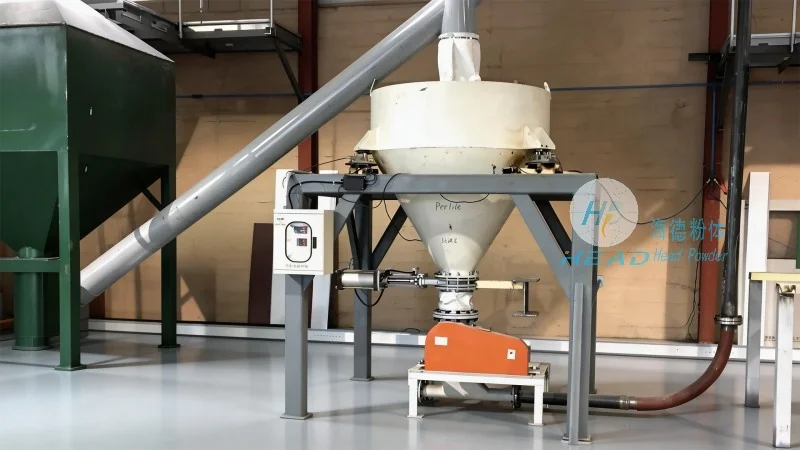
Overview of Fertilizer Powder Pneumatic Conveying Systems
Pneumatic conveying systems for fertilizers are designed to address the unique challenges of handling bulk dry powders. These systems typically consist of several key components, including a hopper for material storage, a feeder to regulate the flow rate, a conveying line (often made of metal or durable plastic), and a receiver for the discharged material. Additional components may include a dust filtration system to capture airborne particles and prevent environmental contamination, a silencer to mitigate noise levels, and a vacuum or pressure source to generate the necessary airflow. Each component is carefully selected and integrated to ensure smooth, continuous operation and to maintain the quality and integrity of the fertilizer during transport.
Core Design Principles for Efficient Performance
The design of fertilizer powder pneumatic conveying equipment is guided by several fundamental principles aimed at maximizing efficiency and reliability. One key principle is the selection of appropriate air velocity, which must be sufficient to prevent particle settling or blockages in the conveying line while minimizing energy consumption. The system's design also considers the particle size distribution and flow characteristics of the fertilizer, as these factors directly impact the required air pressure and line diameter. Additionally, the incorporation of cleaning mechanisms, such as reverse airflow or mechanical scrapers, is essential to prevent clogging and ensure long-term system performance. By adhering to these design principles, manufacturers can develop equipment that consistently delivers high throughput with minimal downtime.
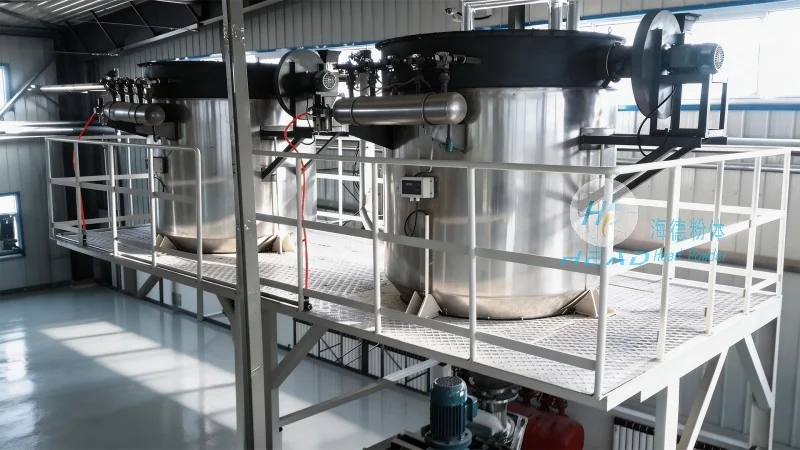
Advantages of Pneumatic Conveying in Fertilizer Handling
Implementing pneumatic conveying systems for fertilizer transport provides numerous benefits that enhance operational efficiency and product quality. Unlike mechanical systems, pneumatic conveyors eliminate the need for manual handling of bulk powders, significantly reducing the risk of workplace accidents and exposure to dust. The enclosed pipeline design also minimizes environmental contamination and product loss, preserving the purity of the fertilizer. Furthermore, pneumatic systems can handle large volumes of material with minimal labor, making them ideal for high-throughput fertilizer processing facilities. The flexibility of these systems allows for easy integration with existing production lines and scalability to accommodate growing production demands, providing a long-term solution for fertilizer handling needs.
Applications in Fertilizer Processing and Distribution
Fertilizer powder pneumatic conveying equipment is utilized across multiple stages of the fertilizer handling process. In storage facilities, the equipment efficiently transfers fertilizers from silos or bulk containers to processing units, ensuring a continuous supply of raw material. During manufacturing, it facilitates the transport of blended fertilizers to packaging lines, maintaining consistent product quality and reducing the risk of cross-contamination. The versatility of these systems also allows them to handle different fertilizer types, including granular and powdered formulations, making them suitable for a wide range of agricultural applications. By streamlining the movement of materials within the production facility, pneumatic conveying systems contribute to overall operational efficiency and cost savings.
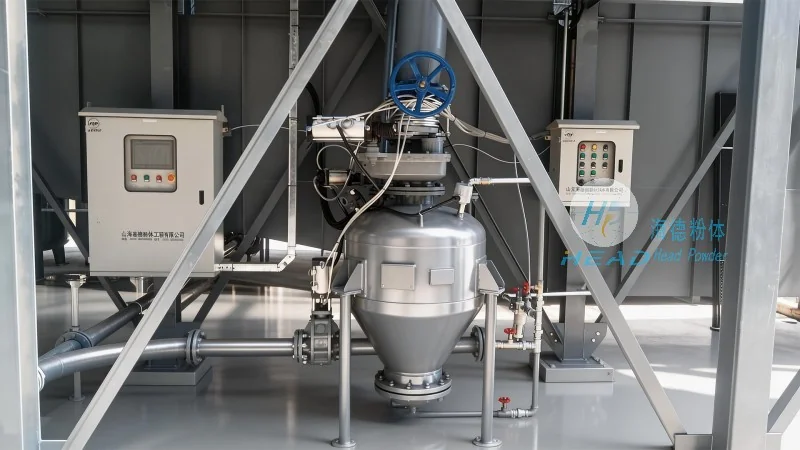
Maintenance and Operational Best Practices
Proper maintenance is essential to ensure the long-term performance and reliability of fertilizer powder pneumatic conveying equipment. Regular cleaning of the conveying lines, filters, and hoppers is critical to prevent clogging and maintain consistent airflow. Monitoring air pressure and flow rates helps identify potential issues early, allowing for timely adjustments or repairs. The use of high-quality, corrosion-resistant materials for the conveying line and components extends the equipment's lifespan and reduces maintenance costs. Additionally, implementing automated control systems can optimize operational parameters and reduce human error. By following these maintenance and operational best practices, users can maximize the efficiency and longevity of their pneumatic conveying systems, ensuring consistent performance over time.
Conclusion
Fertilizer powder pneumatic conveying equipment represents a sophisticated and essential technology in the fertilizer industry, designed to efficiently transport dry powders while maintaining product quality and operational safety. By understanding its components, design principles, and operational considerations, users can select and maintain the appropriate system to meet their specific needs. As the demand for efficient agricultural inputs continues to grow, the role of these conveying systems in optimizing fertilizer handling processes becomes increasingly vital. With proper implementation and maintenance, pneumatic conveying equipment provides a reliable solution for the transportation of fertilizers, supporting the sustainable and effective operation of agricultural and industrial facilities.