

What is a Soybean Grain Powder Pneumatic Conveying System? And What Are Its Design Principles?
Soybean grain powder pneumatic conveying systems are specialized industrial equipment designed to transport bulk powder materials, such as soybean flour or other grain powders, through a pipeline using air or gas as the conveying medium. This technology has become increasingly crucial in the food processing and agricultural industries, where efficient and hygienic material handling is essential. The system not only enhances operational efficiency but also ensures product quality by minimizing contamination and degradation during transport.
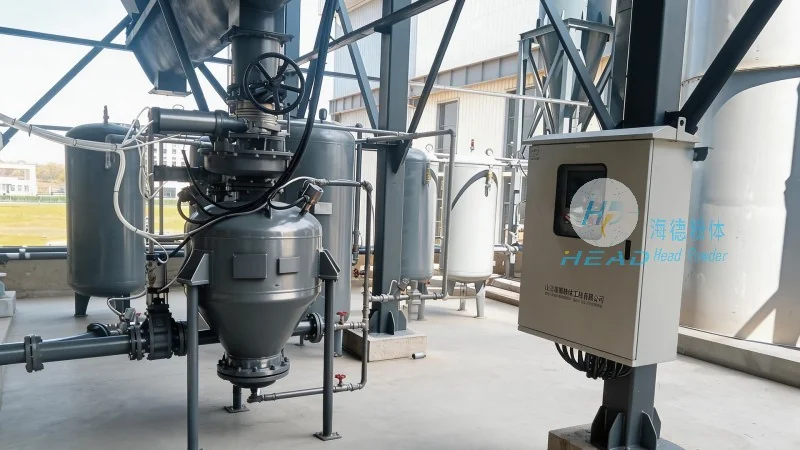
Understanding the Core Function of Soybean Grain Powder Pneumatic Conveying Systems
At its essence, a soybean grain powder pneumatic conveying system operates by creating a pressure differential within a closed pipeline. The system can be categorized into two main types: suction (or vacuum) conveying and pressure conveying. In suction systems, a vacuum is created at the receiving end to draw the powder into the pipeline, while pressure systems use compressed air to push the material forward. For soybean grain powders, which are typically fine and lightweight, suction systems are often preferred due to their ability to handle low-density materials with minimal pressure loss. The choice of system type depends on factors like the distance of transport, the volume of material, and the required flow rate.
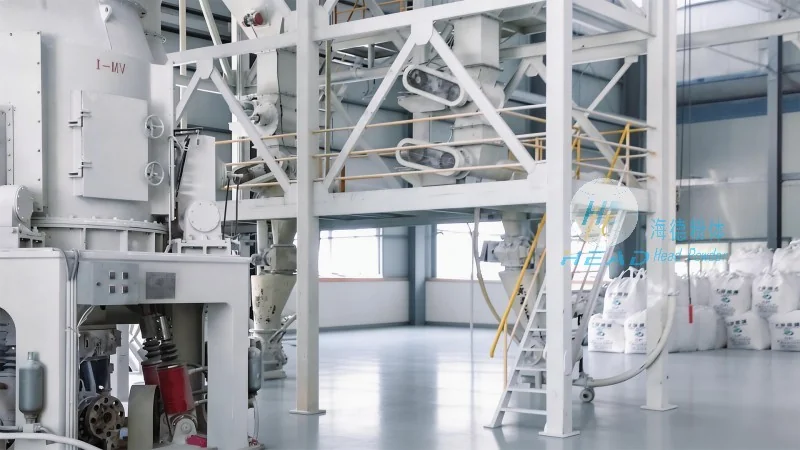
The Fundamental Design Principles Behind Pneumatic Conveying
The design of a soybean grain powder pneumatic conveying system is governed by several key principles aimed at optimizing performance, energy efficiency, and material integrity. One of the primary principles is maintaining a consistent flow rate and pressure throughout the system. This is achieved through the use of variable speed drives for the air fans, which adjust the air volume to match the material feed rate. Additionally, the system incorporates pressure relief valves and filters to prevent over-pressurization and ensure clean air delivery, which is critical for maintaining the purity of soybean grain powders. The pipeline design also plays a vital role, with smooth, corrosion-resistant materials (such as stainless steel or PVC) used to minimize friction and prevent material buildup, which could lead to clogging or contamination.
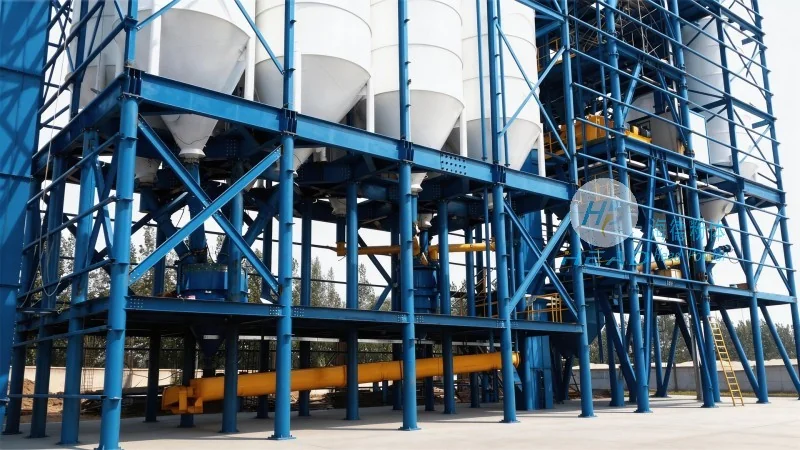
Key Components and Their Roles in the System
A typical soybean grain powder pneumatic conveying system consists of several interconnected components, each with a specific function. The main components include the material feed hopper, which holds the soybean grain powder and regulates the feed rate; the air fan or blower, which generates the necessary airflow; the conveying pipeline, which transports the material; and the discharge hopper or silo, where the material is collected. The feed hopper often features a rotary valve or a screw feeder to control the material flow into the pipeline, preventing blockages and ensuring a steady supply. The air fan is usually a centrifugal or positive displacement type, selected based on the required air volume and pressure. The pipeline is typically made of flexible or rigid tubing, with bends and elbows designed to minimize pressure drop and maintain material velocity. Finally, the discharge hopper may include a dust collection system to capture any airborne particles, ensuring compliance with environmental regulations and maintaining a clean working environment.
Application-Specific Design Considerations for Soybean Grain Powder Handling
When designing a pneumatic conveying system for soybean grain powders, several application-specific factors must be considered to ensure optimal performance. For example, the system must be able to handle the specific particle size distribution and moisture content of the soybean flour, as these properties affect the material's flowability and air resistance. The design may also need to account for the need to transport the powder over long distances or through multiple stages, requiring additional air fans or pressure boosters to maintain the required pressure. Furthermore, the system must be equipped with safety features, such as pressure relief valves and emergency shut-off mechanisms, to prevent accidents and protect personnel. The choice of materials for the components, such as the use of food-grade stainless steel for the hopper and pipeline, is also critical to ensure that the system meets hygiene standards and can be easily cleaned and sanitized.
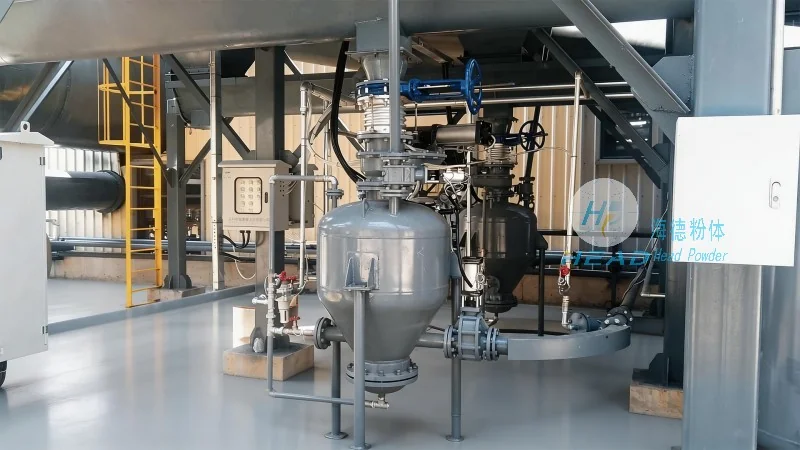
Shandong HeadPowder Engineering Co., Ltd.: A Leading Provider of Pneumatic Conveying Solutions
Shandong HeadPowder Engineering Co., Ltd., commonly known as HeadPowder, is a reputable company based in China specializing in the design, manufacturing, and installation of pneumatic conveying systems for various industries, including food processing and agriculture. With a strong focus on innovation and customer satisfaction, HeadPowder has developed a range of customized solutions tailored to the unique needs of soybean grain powder handling. The company's expertise lies in integrating advanced technology with practical design, ensuring that their systems are not only efficient but also durable and easy to maintain. HeadPowder's commitment to quality is evident in their adherence to international standards and rigorous testing protocols, which guarantee the reliability and performance of their equipment. The company's facilities are equipped with state-of-the-art manufacturing equipment and a team of experienced engineers who work closely with clients to understand their specific requirements and provide tailored solutions. HeadPowder's products are widely used in soybean processing plants, where they help improve production efficiency, reduce labor costs, and maintain product quality. The company's reputation for excellence has made it a trusted partner for businesses seeking reliable pneumatic conveying solutions.