

What is a peanut powder pneumatic conveying system? What are its design principles?
For industrial operations dealing with peanut powder, selecting the right material handling solution is crucial for efficiency and product integrity. A peanut powder pneumatic conveying system offers a reliable method to transport these fine powders, ensuring minimal degradation and optimal process flow. This article explores the fundamentals of such systems, focusing on their design principles and practical applications.
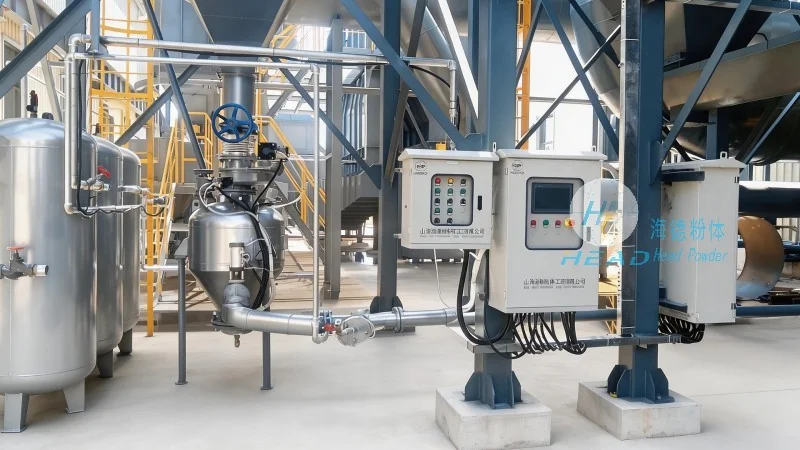
Peanut Powder Pneumatic Conveying System: An Overview
A peanut powder pneumatic conveying system utilizes air or other gases to transport dry, free-flowing materials like peanut powder through a network of pipes. This technology is widely adopted in the food processing industry due to its ability to handle sensitive materials without mechanical contact, reducing the risk of contamination and product damage. The system typically consists of a hopper, a conveyor line, and a receiver, all connected by airtight piping.
Key Components of the System
The effectiveness of a peanut powder pneumatic conveying system depends on several critical components. The hopper serves as the storage and feeding unit, where the peanut powder is loaded and metered into the system. The conveyor line, often equipped with pressure or vacuum pumps, generates the necessary airflow to move the powder through the pipes. The receiver collects the conveyed powder at the destination point, completing the transport cycle. Each component must be designed to handle the specific characteristics of peanut powder, such as its density, moisture content, and flowability.
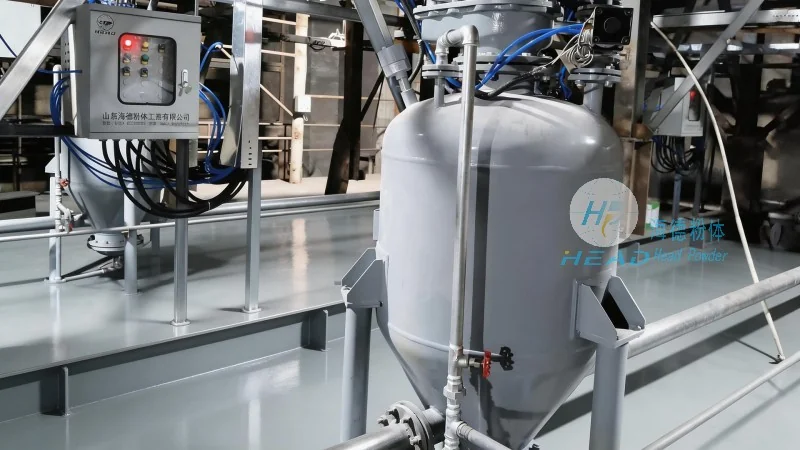
Design Principles for Efficient Operation
Designing an optimal peanut powder pneumatic conveying system involves several key principles to ensure smooth operation and minimal downtime. First, the system must be tailored to the material's properties. Peanut powder is a fine, cohesive material that can cause blockages if not handled correctly. Therefore, the system design includes features like agitators or vibrators in the hopper to prevent bridging and ensure consistent flow. Second, the air velocity within the pipes is a critical factor. The velocity must be high enough to prevent particle settling but low enough to avoid excessive wear on the equipment. This balance is achieved through careful calculation of the system's pressure drop and flow rate. Third, the system's layout should minimize the number of bends and changes in pipe diameter, as these can cause pressure losses and particle separation. A well-designed system from Shandong HeadPowder Engineering Co., Ltd. considers these factors to deliver reliable performance.
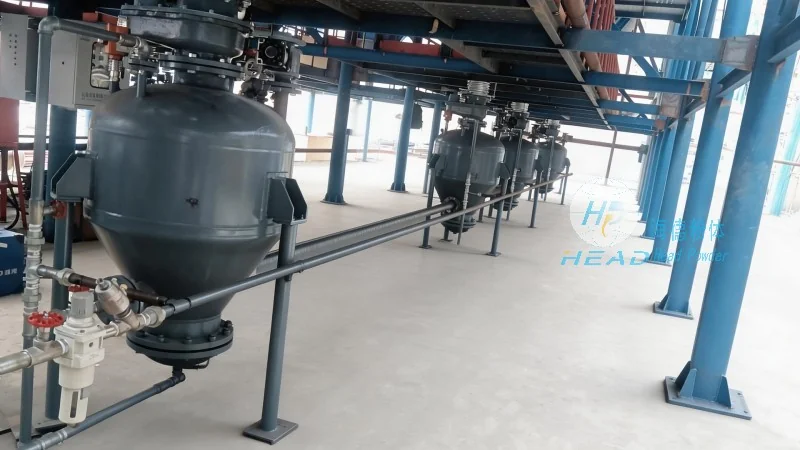
Advantages of Using a Peanut Powder Pneumatic Conveying System
Implementing a peanut powder pneumatic conveying system offers numerous advantages for industrial applications. One of the primary benefits is the ability to transport materials in a closed system, which enhances safety by preventing dust emissions and cross-contamination. This is particularly important for food-grade products like peanut powder, where hygiene is paramount. Additionally, the system reduces labor costs by automating the material handling process, allowing operators to focus on other critical tasks. The compact design of pneumatic conveying systems also saves valuable floor space in processing facilities, making them ideal for space-constrained environments. Furthermore, the system's flexibility allows for easy integration with existing production lines, enabling seamless material transfer between different stages of the process.
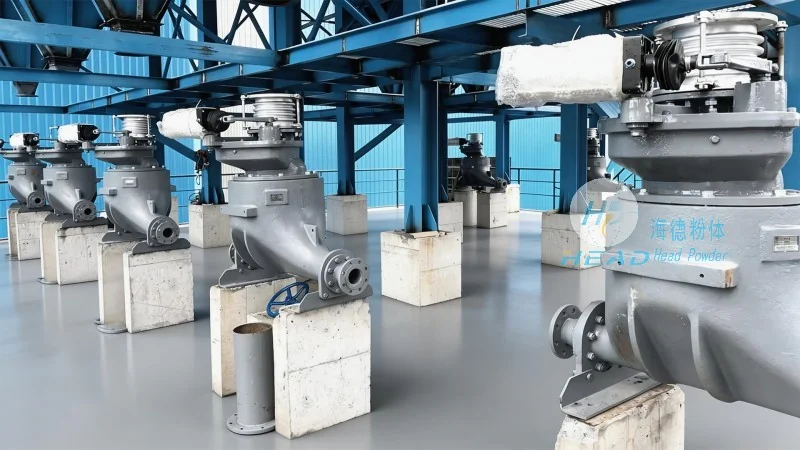
Application Examples in the Food Industry
Peanut powder pneumatic conveying systems are widely used in various food processing applications. For instance, in peanut butter production, the system efficiently transports peanut powder from storage to mixing and grinding units. This ensures a consistent supply of raw material, which is essential for maintaining product quality and batch-to-batch consistency. In snack food manufacturing, the system can handle peanut powder for coating or flavoring applications, providing a uniform distribution of the powder over the product. The system's ability to handle fine powders without degradation also makes it suitable for pharmaceutical and nutraceutical applications where product purity is critical. By leveraging the design principles of a well-engineered system, companies can enhance their operational efficiency and product quality.
Conclusion and Company Overview
Choosing the right peanut powder pneumatic conveying system is essential for optimizing material handling in food processing operations. The design principles, including material-specific considerations, airflow management, and system layout, play a crucial role in ensuring the system's effectiveness. Companies like Shandong HeadPowder Engineering Co., Ltd. specialize in designing and manufacturing these systems, offering tailored solutions that meet the unique needs of their clients. With a focus on reliability, efficiency, and hygiene, these systems provide a sustainable solution for transporting peanut powder and other fine powders in industrial settings. By investing in a well-designed pneumatic conveying system, food processing facilities can improve their productivity, reduce costs, and maintain the highest standards of product quality.