

What is an Aluminum Foil Powder Pneumatic Conveying System? And What Are Its Design Principles?
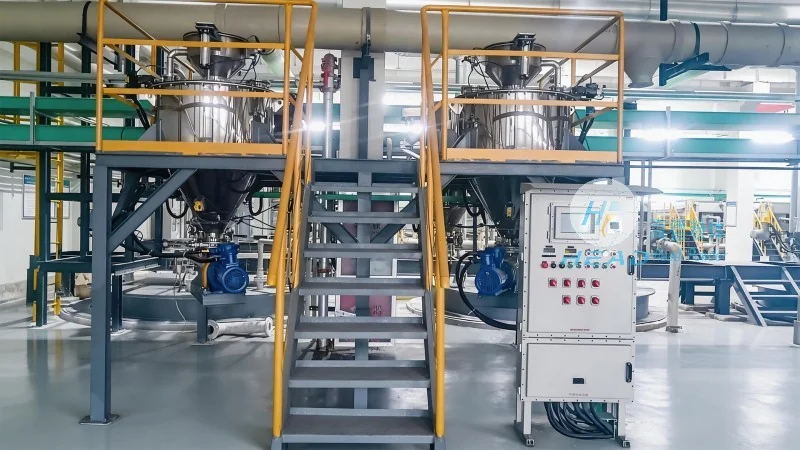
Aluminum foil powder pneumatic conveying systems are specialized industrial equipment designed to transport aluminum foil powders through a pipeline using compressed air or other gas as the conveying medium. These systems are crucial in various manufacturing processes where aluminum foil powders need to be moved efficiently and safely from one location to another.
Understanding the Aluminum Foil Powder Pneumatic Conveying System
At the core of this technology is the ability to handle aluminum foil powders, which are often characterized by their fine particle size and unique physical properties such as low bulk density and potential for static charge. The system operates by creating a pressure differential within the conveying line, allowing the powder to be suspended and transported by the moving gas stream. This method offers advantages over traditional mechanical conveying, including reduced product contamination, lower maintenance requirements, and the ability to handle materials that are difficult to move with conventional methods.
About HeadPowder: Shandong HeadPowder Engineering Co., Ltd.
HeadPowder, formally known as Shandong HeadPowder Engineering Co., Ltd., is a leading provider of pneumatic conveying solutions. With a focus on engineering excellence and customer satisfaction, the company specializes in designing and manufacturing systems tailored to the specific needs of industries dealing with aluminum foil powders. HeadPowder's headquarters and operational base are located in Shandong, China, where the company leverages local expertise and resources to deliver high-quality, reliable equipment.
The Design Principles of the Pneumatic Conveying System
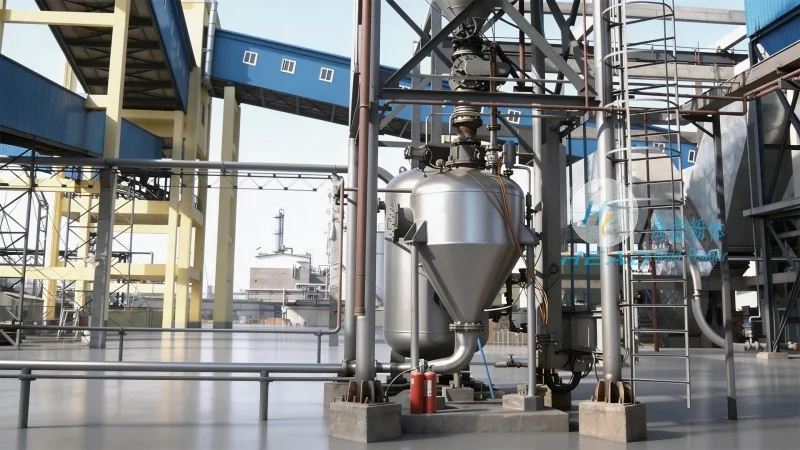
The design of an aluminum foil powder pneumatic conveying system involves several key principles aimed at optimizing performance and ensuring safe operation. First, the system must consider the physical properties of the aluminum foil powder, including particle size distribution, bulk density, and flow characteristics. These properties influence the selection of the conveying velocity, which is typically maintained at a level that prevents particle deposition and ensures efficient transport. Second, the system incorporates components such as airlocks, rotary valves, and filters to control the flow of powder and prevent backflow or contamination. The use of appropriate materials for the conveying line, such as stainless steel or specialized coatings, is also critical to prevent corrosion and maintain product purity.
System Components and Their Functions
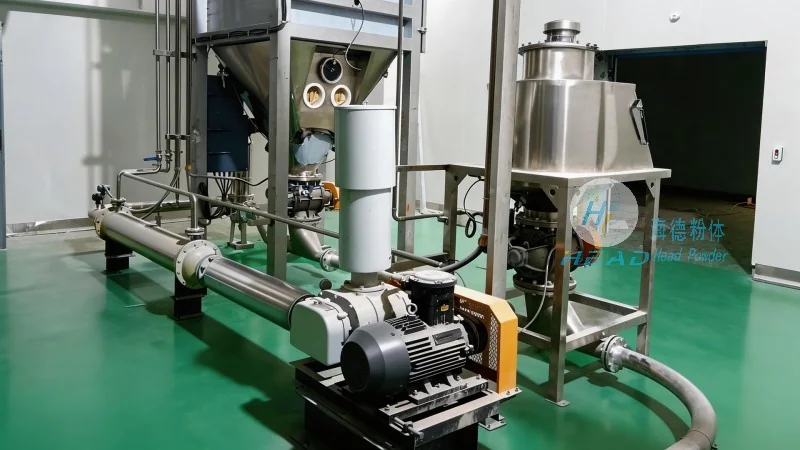
A typical aluminum foil powder pneumatic conveying system consists of several interconnected components. The primary components include a blower or compressor that generates the necessary air pressure, a hopper or storage tank for the aluminum foil powder, and a series of pipelines that form the conveying path. The system may also include a dust collector or filter to remove any fine particles from the exhaust air, ensuring compliance with environmental regulations and maintaining air quality. Airlocks and rotary valves are used at the inlet and outlet of the system to control the flow of powder and prevent the backflow of air or product. The design of these components is critical to the overall efficiency and reliability of the system.
Key Design Considerations for Aluminum Foil Powders
When designing a pneumatic conveying system for aluminum foil powders, engineers must take into account several factors that are unique to this material. One of the most significant considerations is the potential for static charge accumulation, which can cause powder to stick to surfaces or create sparks. To mitigate this risk, the system may include grounding components or anti-static additives in the powder. Another consideration is the low bulk density of aluminum foil powders, which requires higher conveying velocities to maintain suspension. The system must also be designed to handle variations in powder flow, such as changes in moisture content or particle size, which can affect the system's performance. By addressing these factors, the design ensures that the system operates efficiently and safely, minimizing downtime and maintenance costs.
Applications and Benefits in Industrial Settings
Aluminum foil powder pneumatic conveying systems are widely used in various industries, including food processing, pharmaceuticals, and chemical manufacturing. In these applications, the system's ability to transport aluminum foil powders without contamination is particularly valuable. The system's flexibility allows it to be integrated into existing production lines, reducing the need for major modifications. Additionally, the system's compact design and low maintenance requirements make it an attractive option for facilities with limited space or budget constraints. By using a pneumatic conveying system, companies can improve their production efficiency, reduce labor costs, and enhance product quality.