

What is Lithium Oxalate Powder Pneumatic Conveying Equipment? And What Are Its Design Principles?
Understanding the Lithium Oxalate Powder Pneumatic Conveying Equipment and Its Design Principles
Introduction to Lithium Oxalate Powder Pneumatic Conveying Systems
Lithium oxalate is a critical chemical compound widely used in various industries, including battery manufacturing, pharmaceuticals, and ceramics. The efficient handling and transportation of lithium oxalate powder are essential for maintaining production efficiency and product quality. Pneumatic conveying equipment offers a reliable solution for transporting such powders, ensuring minimal dust generation and contamination. This article explores the concept of lithium oxalate powder pneumatic conveying equipment, detailing its design principles and operational mechanisms.
About HeadPowder: A Leading Provider of Powder Handling Solutions
HeadPowder, a division of Shandong HeadPowder Engineering Co., Ltd., is a professional manufacturer specializing in the design, development, and production of advanced powder handling equipment. With a strong presence in China, particularly in Shandong, the company has built a reputation for delivering high-quality, customized solutions tailored to the specific needs of clients. HeadPowder's expertise lies in creating efficient and reliable pneumatic conveying systems that meet stringent industry standards.
Key Components of Lithium Oxalate Powder Pneumatic Conveying Equipment
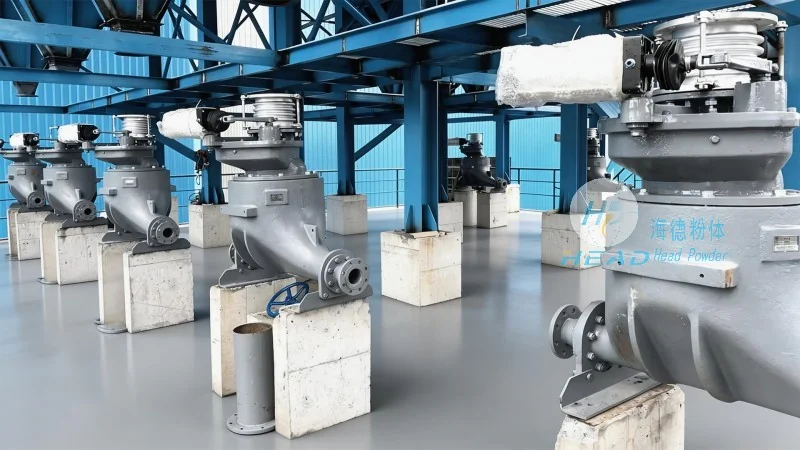
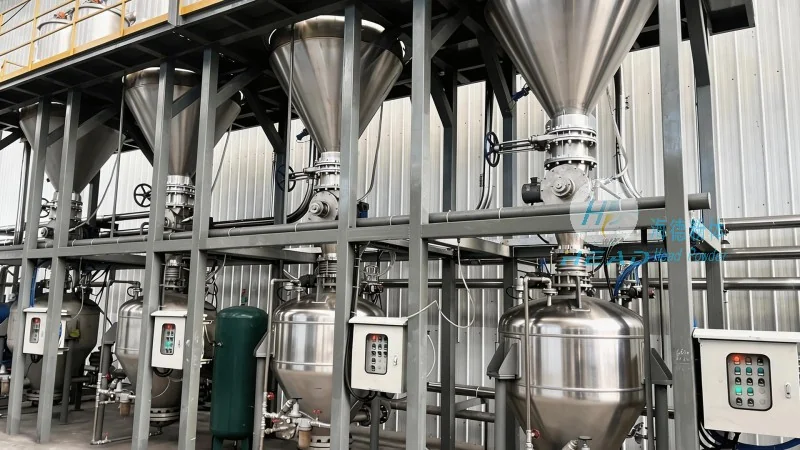
The lithium oxalate powder pneumatic conveying system typically consists of several key components that work in tandem to ensure smooth material transport. These components include the hopper for material storage, a rotary valve or feeder to control the flow rate, a conveying line (usually made of stainless steel or other corrosion-resistant materials), a pressure vessel or receiver, and a dust collector or filter system. Each component plays a crucial role in the overall operation, ensuring that the powder is transported safely and efficiently.
Design Principles for Efficient Pneumatic Conveying
The design of a lithium oxalate powder pneumatic conveying system is based on several fundamental principles to optimize performance and minimize operational issues. The primary design principle is the selection of the appropriate conveying method, which can be either pressure or vacuum-based. Pressure systems use compressed air to push the powder through the line, while vacuum systems use suction to draw the material. The choice between these methods depends on factors such as the distance to be covered, the material's properties, and the required flow rate.
Another critical design principle is the selection of the conveying line diameter and length. The line diameter must be sufficient to handle the material's flow rate without causing excessive pressure drop or particle degradation. The length of the line is also important, as longer lines may require additional boosters or larger diameter pipes to maintain the required air velocity. Proper air velocity is essential to prevent particle segregation and ensure uniform flow.
Material Handling Considerations for Lithium Oxalate
Lithium oxalate is a fine powder with specific physical properties that influence the design of the conveying system. The powder's particle size, density, and flowability are key factors that affect the system's performance. For example, fine powders may require higher air velocities to prevent clogging or bridging in the hopper or conveying line. The material's chemical properties, such as its reactivity with air or moisture, also need to be considered when selecting the materials for the equipment components, such as the hopper and conveying line.
Advantages of Pneumatic Conveying for Lithium Oxalate
Using pneumatic conveying equipment for lithium oxalate offers several advantages over traditional methods like bucket elevators or belt conveyors. One of the main benefits is the ability to transport the powder in a closed system, which minimizes dust exposure and environmental contamination. This is particularly important for lithium oxalate, which may be hazardous if inhaled or come into contact with skin. Additionally, pneumatic conveying systems can handle fine powders without causing segregation or degradation, ensuring consistent product quality.
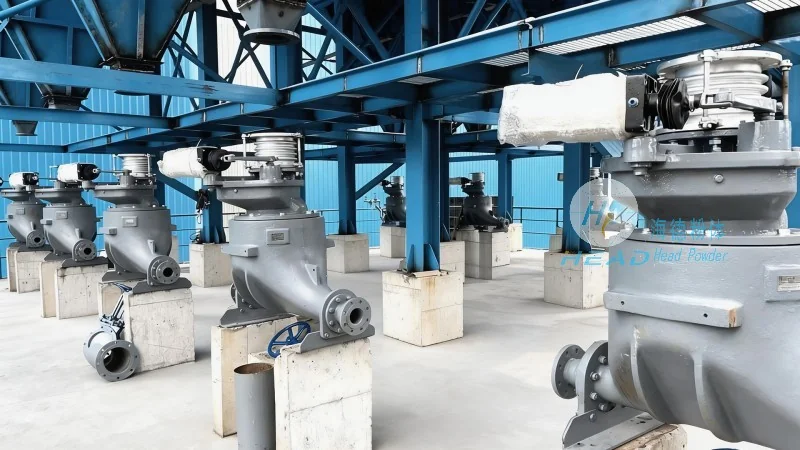
Another advantage is the flexibility of the system, which allows for easy integration with existing production lines. The equipment can be customized to fit specific space constraints and operational requirements, making it suitable for various industrial settings. Furthermore, pneumatic conveying systems are generally more energy-efficient compared to other methods, as they can transport large volumes of material with relatively low power consumption.
Applications of Lithium Oxalate Powder Pneumatic Conveying Equipment
The lithium oxalate powder pneumatic conveying equipment is widely used in various industries where lithium oxalate is a key raw material. In the battery industry, for example, the equipment is used to transport lithium oxalate to the battery manufacturing lines, ensuring a steady supply of raw material. In the pharmaceutical industry, the system is used to transport the powder to processing equipment, maintaining the purity and quality of the final product. The equipment is also used in the ceramics industry for transporting lithium oxalate used in glaze formulations.
Conclusion: The Importance of Proper Design and Implementation
In conclusion, the lithium oxalate powder pneumatic conveying equipment is a vital component in the efficient handling and transportation of this critical chemical compound. The design principles, including the selection of the conveying method, line diameter, and air velocity, are crucial for ensuring optimal performance. HeadPowder, with its expertise in powder handling solutions, provides reliable and customized equipment that meets the specific needs of clients. By understanding the design principles and material handling considerations, industries can improve their production efficiency and product quality while ensuring safety and environmental compliance.