

What is the copper oxide powder pneumatic conveying equipment? What are its design principles?
When it comes to handling copper oxide powder in industrial settings, the choice of equipment can significantly impact efficiency, safety, and overall operational costs. Pneumatic conveying systems have emerged as a reliable solution for transporting such powders, offering advantages over traditional methods like belt conveyors or bucket elevators. This article explores the concept of copper oxide powder pneumatic conveying equipment, delving into its design principles and the key factors that influence its performance.
About HeadPowder: Your Trusted Partner in Powder Handling Solutions
HeadPowder, a leading manufacturer based in Shandong, China, specializes in the design, development, and production of advanced powder handling equipment. With years of experience in the industry, the company has built a reputation for delivering high-quality solutions tailored to the unique needs of various industrial applications. The company’s headquarters is located in Shandong, China, where its team of experts works tirelessly to innovate and improve powder handling technologies. HeadPowder’s commitment to quality and customer satisfaction has made it a preferred choice for businesses seeking reliable and efficient equipment for handling copper oxide and other fine powders.
Understanding Copper Oxide Powder Pneumatic Conveying Equipment
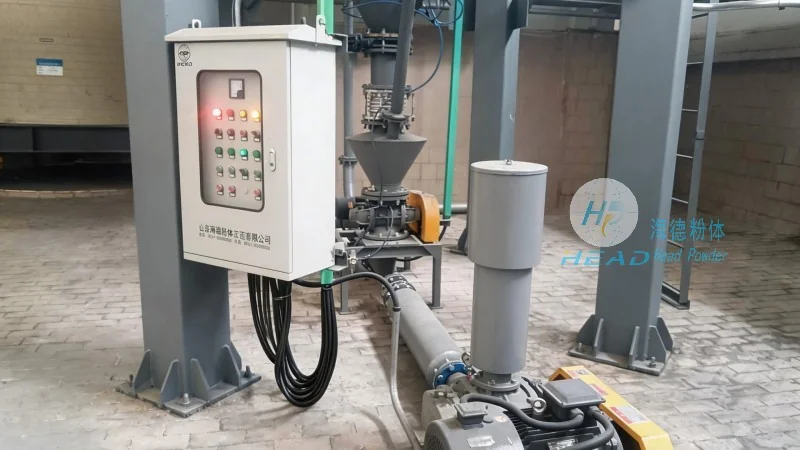
Copper oxide powder pneumatic conveying equipment is a system designed to transport copper oxide powder from one location to another using a stream of air or other gas. This method is particularly suitable for copper oxide powders due to their fine particle size and potential for dust generation. The equipment typically consists of several components, including a hopper for material storage, a feeder to control the flow rate, a pipeline system for conveying the powder, and a receiver for depositing the material at the destination. The entire system operates by creating a pressure differential or using vacuum to move the powder through the pipeline.
Design Principles of Pneumatic Conveying Systems for Copper Oxide Powder
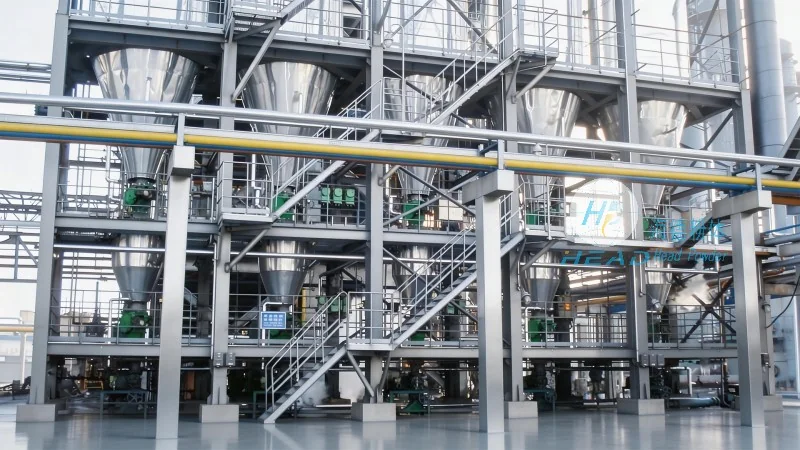
The design of a copper oxide powder pneumatic conveying system involves several critical principles aimed at ensuring efficient and safe operation. The first principle is the selection of the appropriate conveying method, which can be either positive pressure (where air is blown into the pipeline) or negative pressure (where air is drawn out). The choice depends on factors such as the distance to be covered, the quantity of powder to be transported, and the characteristics of the copper oxide powder itself. For copper oxide powders, positive pressure systems are often preferred as they can handle higher material loads and are less prone to blockages.
Another key design principle is the determination of the air-to-solid ratio (A/S ratio), which is the ratio of the volume of air to the volume of powder being conveyed. The optimal A/S ratio is crucial for maintaining a stable flow and preventing material deposition or blockages in the pipeline. For copper oxide powders, an A/S ratio of 5 to 10 is commonly recommended, depending on the particle size and density of the material. The design also considers the pipeline diameter and length, as these factors directly impact the pressure drop and energy consumption of the system.
Technical Considerations for Handling Copper Oxide Powder
Handling copper oxide powder requires special attention due to its chemical and physical properties. Copper oxide is a fine, abrasive powder that can be corrosive to certain materials if not handled properly. Therefore, the equipment design must include materials that are resistant to corrosion and wear, such as stainless steel or special alloys. The hopper and feeder components are designed to minimize material buildup and prevent clogging, which is essential for maintaining consistent flow rates. Additionally, the system may incorporate features like vibration or air knives to break up agglomerates and ensure uniform powder flow.
Applications and Benefits of Copper Oxide Powder Pneumatic Conveying
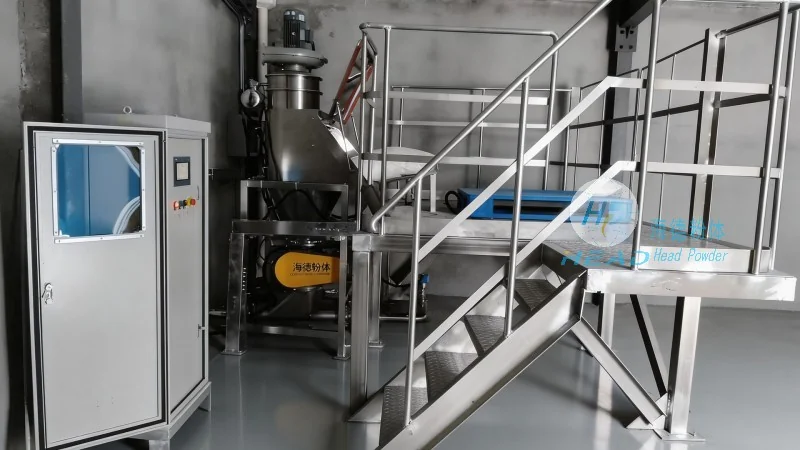
Copper oxide powder pneumatic conveying equipment finds applications in various industries, including battery manufacturing, chemical processing, and metal processing. In battery manufacturing, copper oxide is used as a raw material for producing copper cathodes, and the equipment ensures that the powder is transported safely and efficiently to the production lines. The benefits of using pneumatic conveying systems include reduced labor costs, improved safety by minimizing manual handling of powders, and increased productivity due to the continuous operation of the system. Furthermore, the equipment can be integrated with other processing equipment, such as mixers or reactors, to create a seamless production line.
Conclusion: Choosing the Right Equipment for Copper Oxide Powder Handling
Choosing the right copper oxide powder pneumatic conveying equipment is essential for optimizing industrial processes and ensuring safety. The design principles discussed in this article, including the selection of conveying method, air-to-solid ratio, and material considerations, play a crucial role in the performance of the system. By partnering with a reputable manufacturer like HeadPowder, businesses can access high-quality equipment that meets their specific requirements and delivers long-term benefits. Whether for small-scale or large-scale operations, the right pneumatic conveying system can significantly enhance the efficiency and reliability of copper oxide powder handling in industrial settings.