When it comes to transporting polypropylene (PP) materials, a common challenge faced by industries is the risk of pipeline blockages. These blockages can lead to production downtime, increased maintenance costs, and potential safety hazards. To mitigate these issues, the design and operation of pneumatic conveying systems play a crucial role. This article explores effective strategies to prevent pipeline blockages in polypropylene conveying and highlights the key design parameters that must be considered for optimal system performance.
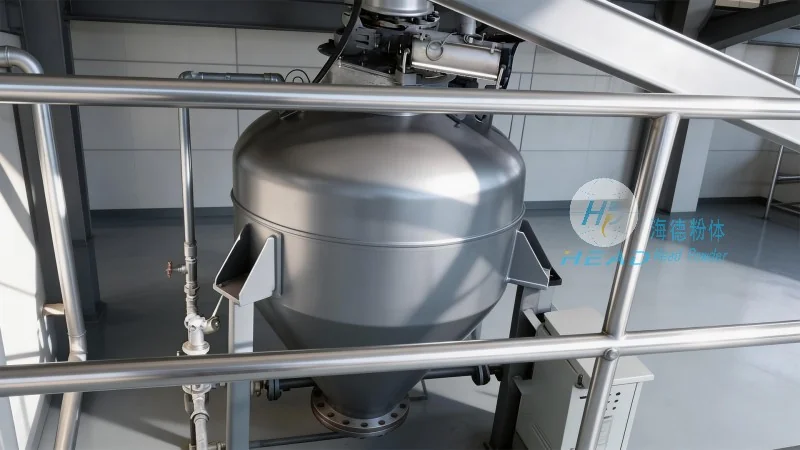
Understanding the Risks of Pipeline Blockages in Polypropylene Conveying
Polypropylene is a thermoplastic polymer known for its lightweight and high strength properties, making it widely used in various applications such as packaging, automotive parts, and textiles. However, its granular or pellet form can present unique challenges during pneumatic conveying. The material's flow characteristics, moisture content, and particle size distribution are critical factors that influence the likelihood of blockages. Blockages occur when the material accumulates and forms a solid plug within the pipeline, obstructing the flow of air and material. This can result from insufficient air velocity, improper air-to-material ratio, or inadequate system design.
Key Design Parameters for Preventing Blockages in Pneumatic Conveying Systems
Shandong HeadPowder Engineering Co., Ltd., a leading provider of pneumatic conveying solutions based in China, emphasizes that several key design parameters are essential to ensure smooth and uninterrupted polypropylene transport. These parameters include:
1. Air Velocity and Air-to-Material Ratio: Maintaining an appropriate air velocity is fundamental to preventing blockages. The air velocity must be high enough to keep the polypropylene particles in suspension but not excessively high to cause excessive wear on the system components. The air-to-material ratio, which is the ratio of air volume to material volume, should be optimized to ensure that the material is fully entrained by the air stream. A higher air-to-material ratio typically reduces the risk of blockages by providing sufficient air to keep the particles moving.
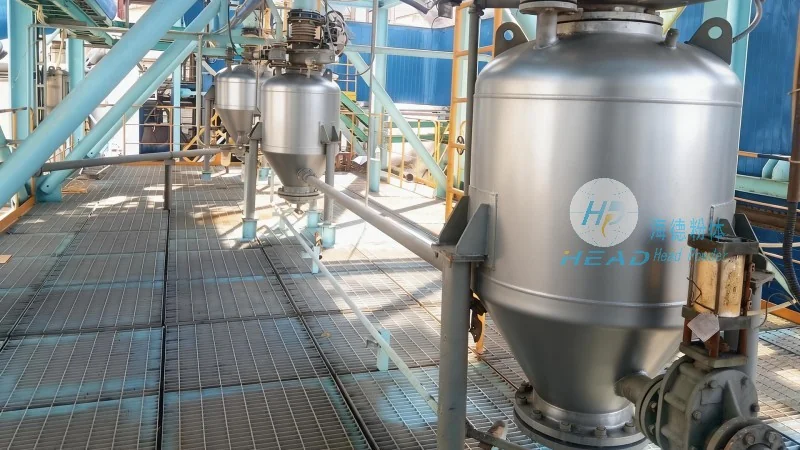
2. Pipeline Diameter and Length: The diameter of the conveying pipeline is a critical factor. Smaller diameters increase the risk of blockages as the material has less space to flow and can accumulate more easily. Larger diameters, on the other hand, may require higher air velocities to maintain the same conveying efficiency. The length of the pipeline also affects the system's performance; longer pipelines may need additional air boosters or larger diameter sections to maintain adequate air velocity.
3. Material Characteristics: Understanding the physical properties of the polypropylene being conveyed is vital. This includes the particle size, density, moisture content, and flowability. Materials with higher moisture content may clump together, increasing the risk of blockages. Therefore, proper drying and conditioning of the polypropylene before conveying are recommended. Additionally, the use of additives or anti-caking agents can improve the material's flow characteristics and reduce blockage risks.
4. System Configuration and Components: The overall system configuration, including the type of pneumatic conveying system (e.g., dilute phase or dense phase), the placement of airlocks, and the use of cyclones or filters, all impact blockage prevention. Dilute phase systems, which use high air velocities to keep particles suspended, are generally more effective for preventing blockages compared to dense phase systems, which use lower air velocities and higher material concentrations. Properly sized and positioned airlocks at the inlet and outlet of the system help to prevent material from accumulating and forming blockages.
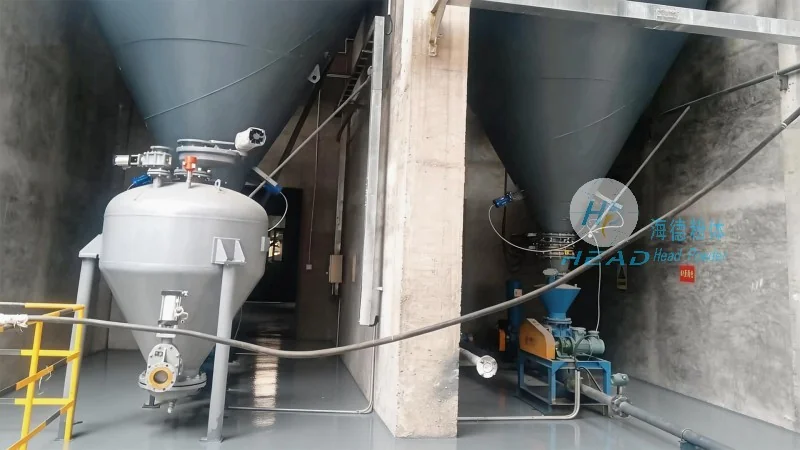
Practical Recommendations from Shandong HeadPowder Engineering Co., Ltd.
Based on years of experience in designing and implementing pneumatic conveying systems for polypropylene, Shandong HeadPowder Engineering Co., Ltd. offers the following practical recommendations to prevent pipeline blockages:
First, conduct thorough material testing to determine the optimal air velocity and air-to-material ratio for the specific polypropylene being conveyed. This involves measuring the material's flow properties and simulating different conveying scenarios to identify the most suitable system parameters. Second, ensure that the pipeline diameter is appropriately sized for the material flow rate and air velocity. Using larger diameter pipelines for high-volume conveying can help reduce the risk of blockages. Third, incorporate moisture control measures, such as drying the polypropylene to a low moisture content, to improve its flowability. Fourth, consider adding anti-caking agents or using vibration devices in the pipeline to prevent material from clumping together. Regular maintenance and cleaning of the system components, including airlocks and filters, are also essential to prevent blockages caused by accumulated debris.
Conclusion
Preventing pipeline blockages in polypropylene conveying is a multifaceted challenge that requires careful consideration of various design parameters. By optimizing air velocity, air-to-material ratio, pipeline dimensions, and material characteristics, along with proper system configuration and maintenance, industries can significantly reduce the risk of blockages and ensure efficient and reliable polypropylene transport. Shandong HeadPowder Engineering Co., Ltd. remains committed to providing tailored pneumatic conveying solutions that address these challenges and meet the specific needs of its clients, helping them achieve smooth and uninterrupted production processes.




