Understanding the working principle and application categories of glass bubbles pneumatic conveying systems is crucial for optimizing material handling processes in various industries. This article provides a detailed overview, focusing on the technical aspects and practical implementations of these systems, with insights from Shandong HeadPowder Engineering Co., Ltd., a leading provider based in China.
Company Overview and Background
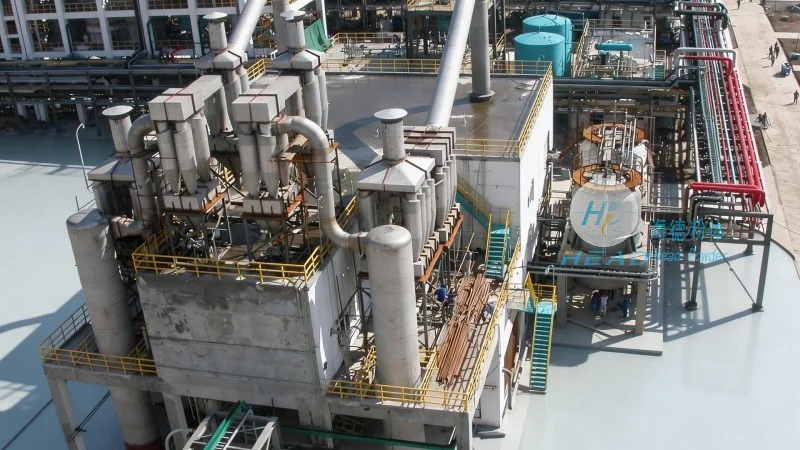
Shandong HeadPowder Engineering Co., Ltd., commonly known as headpowder, is a reputable enterprise specializing in the research, development, and application of advanced material handling technologies. Headquartered in Shandong, China, the company leverages its expertise to deliver innovative solutions tailored to the needs of modern industrial operations. With a strong commitment to quality and efficiency, headpowder has established itself as a trusted partner in the field of pneumatic conveying systems, particularly for glass bubbles—a lightweight, insulating material widely used in construction, insulation, and other sectors.
Basic Working Principle of Pneumatic Conveying
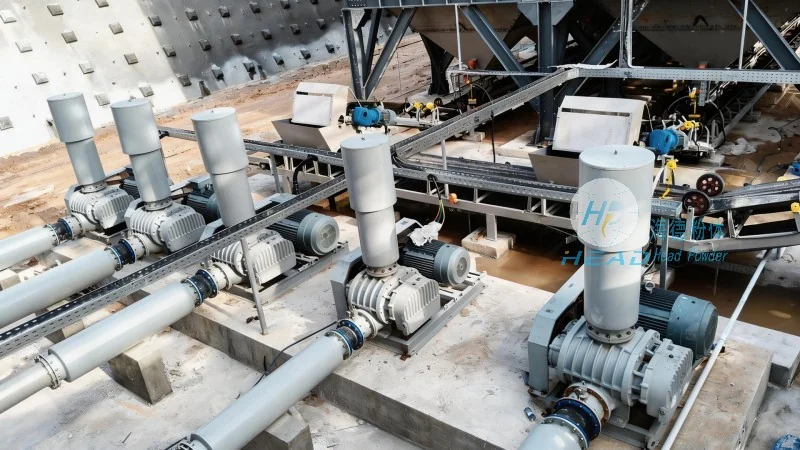
The core of glass bubbles pneumatic conveying lies in the use of air to transport particles through a pipeline system. The process typically involves a few key components: a material hopper to store the glass bubbles, a feeder to control the flow rate, a blower or compressor to generate the air pressure, and a pipeline network to direct the material to its destination. As the air is introduced into the system, it creates a low-pressure zone that draws the glass bubbles into the pipeline. The air velocity is carefully controlled to ensure that the particles are carried without excessive wear or degradation. This method eliminates the need for mechanical components like belts or buckets, offering a more hygienic and flexible solution for transporting bulk materials.
Classification of Pneumatic Conveying Systems
Pneumatic conveying systems for glass bubbles are generally classified into two main categories: dilute-phase and dense-phase. Dilute-phase systems operate at higher air velocities, allowing the glass bubbles to be suspended in the air stream as individual particles. This type is suitable for short-distance transport and applications where material is not sensitive to high velocities. Dense-phase systems, on the other hand, use lower air velocities and higher material concentrations, resulting in a more stable flow where the glass bubbles move in a plug-like fashion. This method is ideal for longer distances and applications requiring precise control over material flow, such as in the production of insulation materials or composite products.
Key Applications in Different Industries
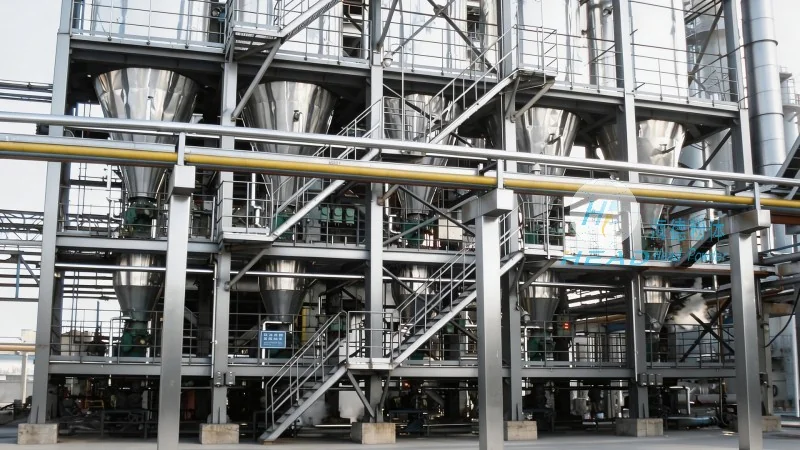
The versatility of glass bubbles makes them suitable for a wide range of applications across various industries. In the construction sector, glass bubbles are commonly used as lightweight aggregates in concrete and masonry, reducing the overall weight of structures while maintaining strength and insulation properties. The pneumatic conveying system enables efficient transportation of these aggregates from storage to mixing plants, ensuring consistent quality and reducing labor costs. In the insulation industry, glass bubbles are used to manufacture spray foam and rigid boards, where their low thermal conductivity enhances energy efficiency. The ability to convey glass bubbles in a controlled manner allows manufacturers to produce uniform products with consistent density and performance. Additionally, in the automotive and aerospace industries, glass bubbles are incorporated into composite materials to reduce weight and improve thermal insulation, contributing to lighter and more efficient vehicles.
Advantages and Considerations for Glass Bubbles Pneumatic Conveying
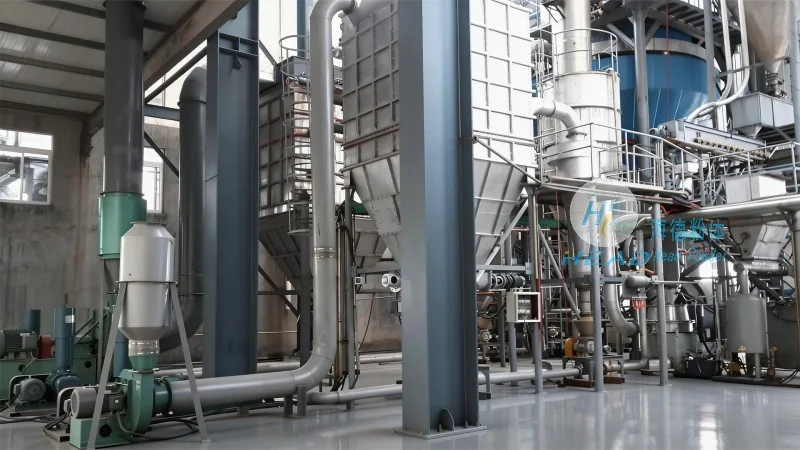
Compared to traditional mechanical conveying methods, glass bubbles pneumatic conveying offers several advantages. The primary benefit is the elimination of moving parts, which reduces maintenance requirements and minimizes the risk of material contamination. This is particularly important for food-grade or pharmaceutical applications where hygiene is critical. Additionally, pneumatic systems provide greater flexibility in terms of layout and routing, allowing for complex material flow paths without the need for extensive infrastructure modifications. However, there are also considerations to keep in mind. For instance, the air velocity must be optimized to prevent particle degradation or clogging in the pipeline. Proper filtration and cleaning systems are essential to maintain system efficiency and prevent dust accumulation. Furthermore, the cost of air compressors and energy consumption should be factored into the overall system design, as these can impact long-term operational expenses.
Conclusion and Future Outlook
Glass bubbles pneumatic conveying systems represent a sophisticated and efficient solution for handling lightweight, insulating materials. By understanding the working principles and classification of these systems, industries can select the most appropriate technology to meet their specific requirements. With advancements in material science and pneumatic technology, the future of glass bubbles handling is likely to involve even more efficient and sustainable systems. As demand for lightweight and energy-efficient materials continues to grow, the role of glass bubbles and their pneumatic conveying systems will remain vital in modern industrial applications. Shandong HeadPowder Engineering Co., Ltd. remains at the forefront of this technology, providing tailored solutions that enhance productivity and sustainability for its clients.




