Desulfurizer material handling is a critical process in industrial applications, particularly in power plants and chemical facilities where sulfur removal is essential for environmental compliance and operational efficiency. The process involves the transportation, storage, and distribution of desulfurizer materials, which are typically used in flue gas desulfurization (FGD) systems. These materials, such as limestone or other alkaline substances, play a vital role in neutralizing sulfur dioxide (SO₂) emissions, thus reducing air pollution and meeting regulatory standards. Effective material handling ensures that these desulfurizer agents are delivered to the FGD system in the correct quantity and at the right time, maintaining optimal performance and minimizing downtime.
Key Components of Desulfurizer Material Handling Systems
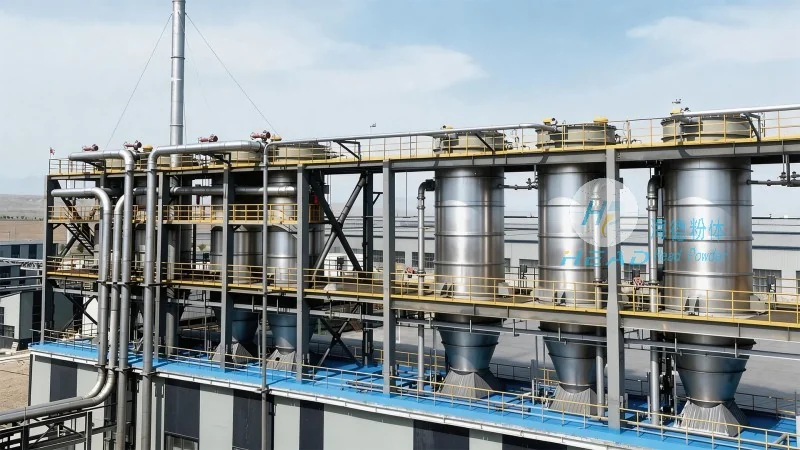
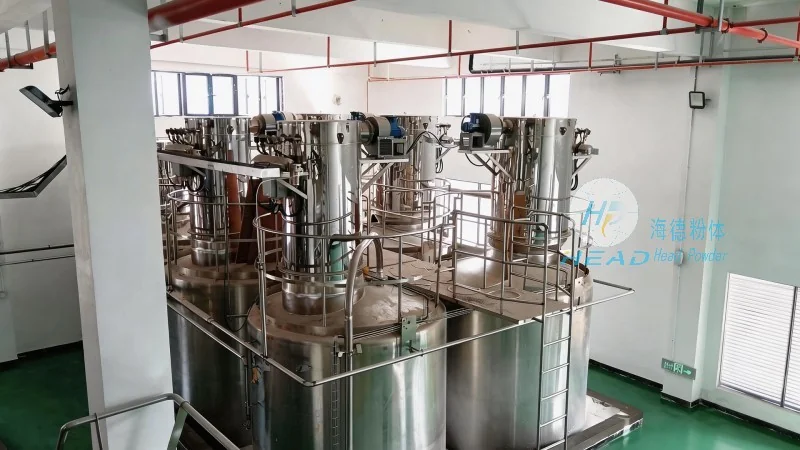
The desulfurizer material handling system comprises several key components that work in tandem to ensure smooth operation. These components include feeders, conveyors, storage silos, and control systems. Feeders are responsible for accurately measuring and dispensing the desulfurizer material, often using technologies like rotary valves or belt feeders to maintain consistent flow rates. Conveyors, such as belt conveyors or pneumatic systems, transport the material from the storage silos to the FGD reactor or other processing units. Storage silos are designed to hold large quantities of desulfurizer material, providing a buffer to accommodate fluctuations in demand and supply. Control systems, typically integrated with the plant's overall automation, monitor and regulate the entire material handling process, ensuring that the desulfurizer is delivered at the precise rate required to achieve the desired sulfur removal efficiency.
Design Principles for Efficient Desulfurizer Material Handling
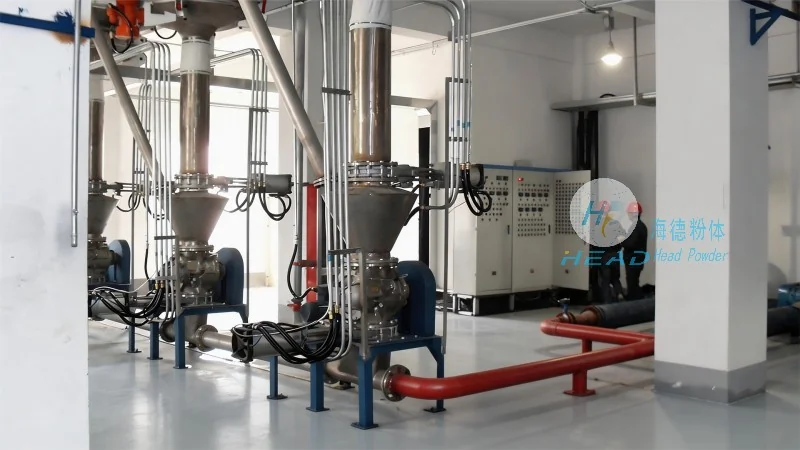
The design of a desulfurizer material handling system follows several fundamental principles aimed at maximizing efficiency, reliability, and safety. One of the primary principles is the minimization of material degradation and loss during transportation. This is achieved by using appropriate equipment, such as enclosed conveyors and sealed storage silos, to prevent dust emissions and material attrition. Another key principle is the optimization of flow rates and pressure differentials to ensure consistent material movement without excessive energy consumption. The system design also considers the physical properties of the desulfurizer material, including its particle size, bulk density, and flowability, to select the most suitable equipment and operating parameters. Additionally, the design incorporates redundancy and fail-safe mechanisms to prevent system failures and maintain continuous operation, which is crucial for maintaining the performance of the FGD system and complying with emission regulations.
Role of HeadPowder in Desulfurizer Material Handling Solutions
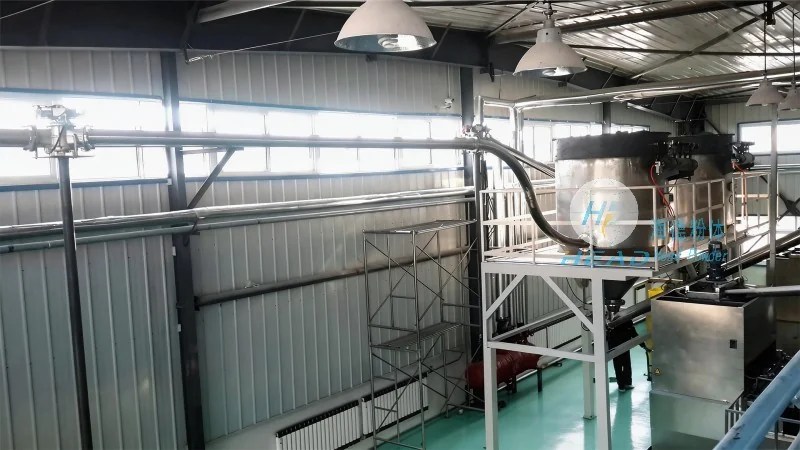
Shandong HeadPowder Engineering Co., Ltd., a leading provider of industrial material handling solutions, specializes in designing and manufacturing customized desulfurizer material handling systems tailored to the specific needs of power plants and chemical facilities. With a focus on innovation and quality, HeadPowder leverages advanced engineering and manufacturing capabilities to deliver reliable and efficient material handling solutions. The company's expertise lies in understanding the unique challenges of desulfurizer material handling, such as the need for precise control, dust management, and system integration with existing FGD equipment. HeadPowder's solutions are designed to enhance the performance of desulfurization processes, reduce operational costs, and ensure compliance with environmental regulations. By partnering with HeadPowder, industrial facilities can benefit from state-of-the-art material handling systems that optimize their desulfurizer usage, minimize downtime, and improve overall operational efficiency.




