Efficient and reliable transport of cement raw materials is a critical aspect of modern cement production, directly impacting production efficiency and product quality. Pneumatic conveying technology has emerged as a preferred solution due to its ability to handle bulk materials with minimal dust, reduced energy consumption, and enhanced safety compared to traditional methods like belt conveyors or bucket elevators.
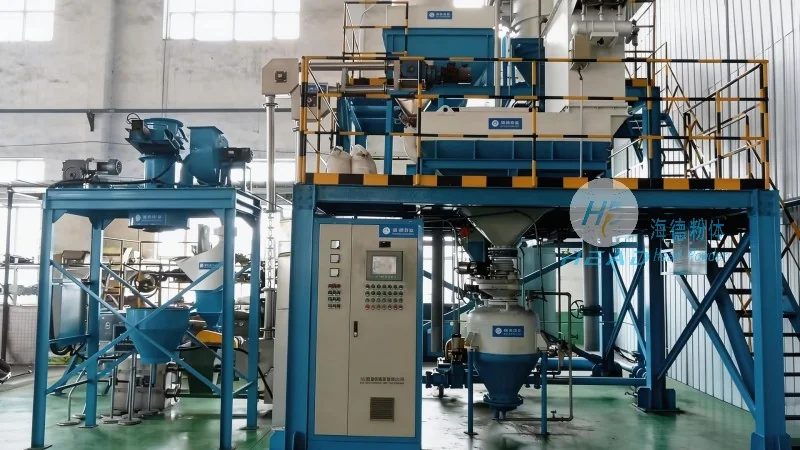
Introduction to HeadPowder Engineering Co., Ltd.
HeadPowder Engineering Co., Ltd., a leading provider of industrial conveying solutions, specializes in the design, manufacturing, and installation of pneumatic conveying systems tailored for cement raw material handling. With a strong presence in Shandong, China, the company leverages decades of industry experience to deliver high-performance equipment that meets the demanding requirements of cement plants worldwide.
Principle of Cement Raw Material Pneumatic Conveying
Pneumatic conveying operates by transporting bulk materials through a pipeline using a gas stream, typically air or other gases. The fundamental principle involves creating a pressure differential between the conveying line and the ambient environment. In positive pressure systems, air is forced into the pipeline at a pressure higher than atmospheric, while the material is drawn along with the air flow. Conversely, negative pressure systems create a vacuum in the pipeline, drawing material from the source into the system. The choice between positive and negative pressure depends on factors such as material characteristics, distance, and system complexity.
Classification of Pneumatic Conveying Systems
Pneumatic conveying systems for cement raw materials are broadly classified into three main categories based on the pressure differential and operational principles:
1. Positive Pressure Conveying This system uses compressed air to push material through the pipeline. It is suitable for short to medium distances and applications where material is sourced from a single point. The positive pressure ensures consistent material flow and prevents backflow, making it ideal for handling fine powders and granular materials. The system typically includes a blower, a hopper, and a pipeline network, with the material being discharged at the receiving end through a rotary valve or other control device.
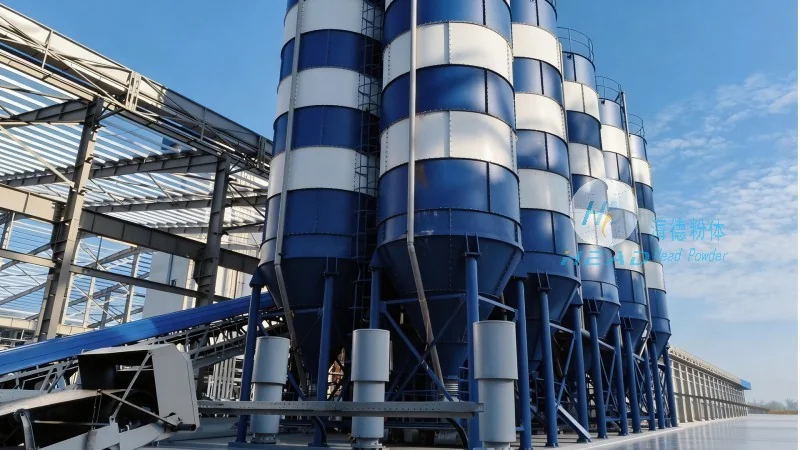
2. Negative Pressure (Vacuum) Conveying In this configuration, a vacuum is created in the pipeline to draw material from the source. Negative pressure systems are often preferred for longer distances or when material needs to be collected from multiple points. The vacuum helps in maintaining material integrity and minimizing dust emissions during transport. However, they require more robust equipment to handle the vacuum conditions and may have limitations in handling very fine powders due to potential clogging in the vacuum line.
3. Mixed-Pressure (Bi-Directional) Conveying This hybrid system combines elements of both positive and negative pressure. It uses a combination of compressed air and vacuum to transport material, allowing for more flexible operation and better control over material flow. Mixed-pressure systems are particularly useful in complex plant layouts where material needs to be conveyed between multiple points with varying distances and elevations. The system can operate in either positive or negative mode depending on the direction of material movement, providing enhanced adaptability.
Key Components and Their Functions in Pneumatic Conveying Systems
Effective pneumatic conveying of cement raw materials relies on several critical components, each playing a vital role in the overall system performance:
Blowers and Air Compressors These are the primary power sources for pneumatic conveying. Positive pressure systems use centrifugal or positive displacement blowers, while negative pressure systems employ vacuum pumps or roots blowers. The choice of blower depends on the required pressure, flow rate, and material characteristics. High-efficiency blowers ensure optimal energy utilization and consistent material transport.
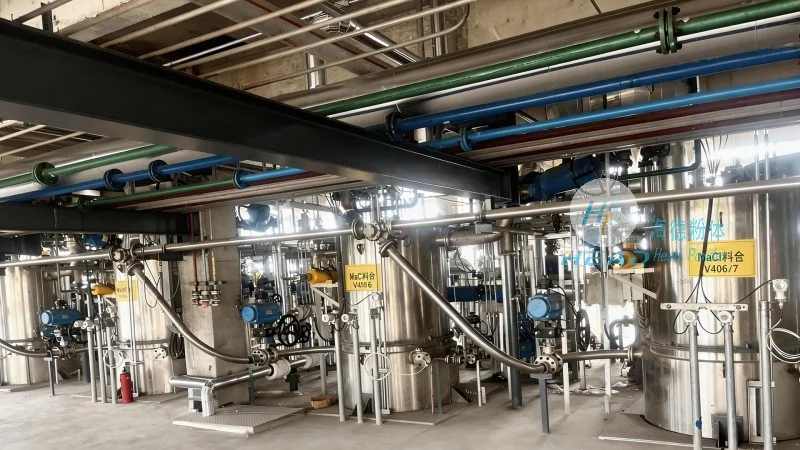
Hoppers and Feeders Hoppers are used to store and feed the raw material into the conveying system. They are designed to maintain a consistent material level and prevent clogging. Feeders, such as rotary valves or screw feeders, regulate the material flow rate into the pipeline, ensuring smooth and controlled transport. Proper design of hoppers and feeders is crucial to avoid material bridging and ensure reliable operation.
Pipelines and Fittings The pipeline network forms the backbone of the pneumatic conveying system. It must be constructed from materials resistant to corrosion and abrasion, such as stainless steel or high-grade carbon steel, to withstand the abrasive nature of cement raw materials. Properly sized pipelines and appropriate fittings (elbows, tees, reducers) are essential to maintain system efficiency and prevent pressure losses. The pipeline layout is carefully designed to minimize bends and length, reducing energy consumption and material degradation.
Control Systems and Valves Advanced control systems are used to monitor and regulate the pneumatic conveying process. These systems include sensors for pressure, flow, and material level, as well as control valves that adjust the air flow and material feed rate. The control system ensures optimal operation, preventing overloading or underloading of the system. Additionally, rotary valves and other control devices are used to regulate material discharge at the receiving end, ensuring accurate and controlled material delivery.
Application Scenarios and Benefits
Pneumatic conveying systems are widely applied in various stages of cement production, including raw material storage, grinding, and blending. The benefits of using pneumatic conveying for cement raw materials include:
Reduced Dust and Environmental Impact Unlike traditional methods, pneumatic conveying minimizes dust generation during material transport, improving workplace safety and reducing environmental pollution. The enclosed system ensures that material is contained within the pipeline, preventing dust from escaping into the environment.
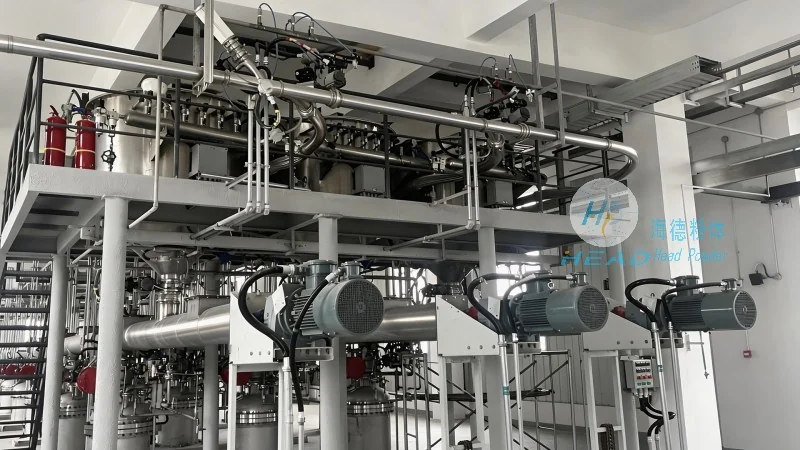
Energy Efficiency Pneumatic conveying systems are generally more energy-efficient compared to mechanical conveyors, especially for long-distance transport. The use of compressed air or vacuum reduces the need for heavy machinery and maintenance, leading to lower operational costs over time.
Enhanced Material Handling Flexibility Pneumatic conveying allows for flexible material routing, enabling the transport of raw materials between multiple points in a plant layout. This flexibility is particularly valuable in modern cement plants where production processes are often integrated and require seamless material flow.
Improved Product Quality By minimizing material degradation and dust exposure, pneumatic conveying helps maintain the quality of cement raw materials. This is crucial for achieving consistent product quality and meeting industry standards.
Conclusion
Pneumatic conveying technology plays a vital role in the efficient and sustainable operation of cement plants, offering a reliable solution for the transport of cement raw materials. HeadPowder Engineering Co., Ltd. continues to innovate and provide advanced pneumatic conveying systems that meet the evolving needs of the cement industry. With a focus on quality, efficiency, and customer satisfaction, the company remains committed to delivering solutions that enhance production performance and support the growth of the cement sector.




