Algae residue pellet pneumatic conveying is a technology widely used in the processing and transportation of biomass materials, particularly in the handling of algae-derived waste products. This method involves transporting solid particles through a pipeline using a gas stream, typically air, to move the material from one location to another. The process is crucial for efficient and clean handling of algae residue, which is often a byproduct of biofuel production or aquaculture operations. Understanding the working principles and classification of this technology is essential for optimizing material handling systems in industrial settings.
Working Principles of Pneumatic Conveying Systems
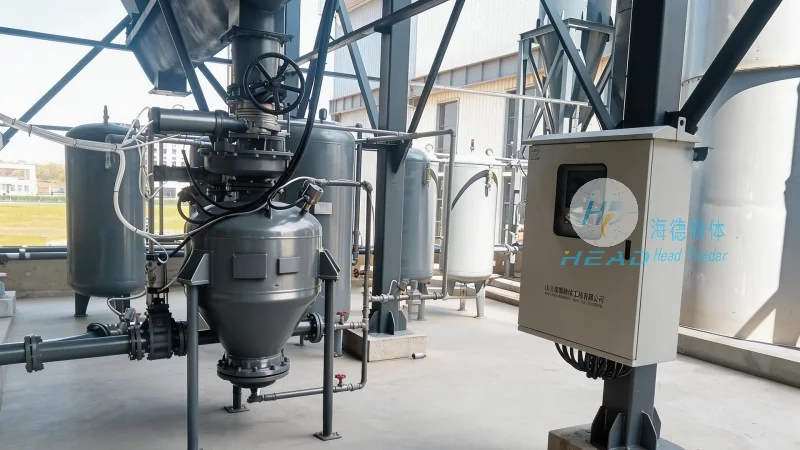
The core principle of pneumatic conveying is the use of a fluid (usually air) to transport solid particles. There are two main types of pneumatic conveying systems: positive pressure and negative pressure (or vacuum) systems. In positive pressure systems, air is blown into the pipeline, creating a pressure higher than the ambient air, which propels the material forward. This method is suitable for short to medium distances and can handle a wide range of particle sizes and densities. Negative pressure systems, on the other hand, use a vacuum to draw material into the pipeline, which is effective for long-distance transport and for handling materials that are sensitive to pressure changes. The choice between these systems depends on factors such as the distance of transport, the material properties, and the required system efficiency.
Classification of Pneumatic Conveying Systems
Pneumatic conveying systems can be classified based on several parameters, including the velocity of the conveying air, the pressure differential, and the particle concentration in the pipeline. The most common classifications are:
1. Dilute Phase Conveying: This type of system operates at relatively low air velocities, typically ranging from 15 to 30 meters per second. The particles are dispersed in the air stream and travel in a dilute state. Dilute phase systems are suitable for short to medium distances and are commonly used for transporting fine powders or granules. They are generally more energy-efficient compared to dense phase systems but may require larger pipelines to maintain particle suspension.
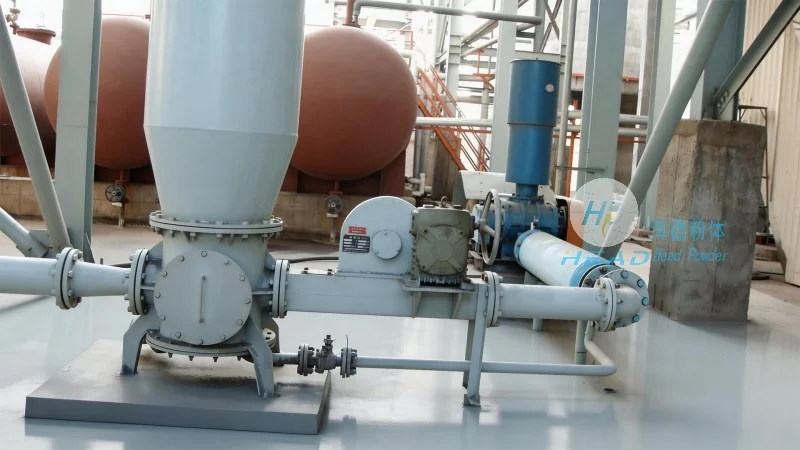
2. Dense Phase Conveying: In dense phase systems, the air velocity is much lower, and the particles are conveyed in a more concentrated state, often as a slurry or a plug flow. This method is ideal for long-distance transport and for handling materials that are prone to degradation or segregation. Dense phase conveying can handle larger particles and is less likely to cause particle attrition compared to dilute phase systems. It is commonly used in applications where the material needs to be transported at a controlled rate and with minimal pressure drop.
3. Hybrid Systems: Some applications may combine elements of both dilute and dense phase systems to achieve optimal performance. For example, a system might use a dilute phase for the initial transport and then transition to a dense phase for the final delivery. Hybrid systems are particularly useful for handling materials with varying particle sizes or for transporting over long distances with varying elevation changes.
Applications of Algae Residue Pellet Pneumatic Conveying
Algae residue pellet pneumatic conveying finds applications in various industries, particularly in the bioenergy and waste management sectors. The technology is used to transport algae residue from processing facilities to storage or treatment sites. This is especially important in large-scale algae cultivation operations where the residue needs to be efficiently collected and disposed of or repurposed. The ability to handle large volumes of material over long distances makes pneumatic conveying an attractive option for these applications.
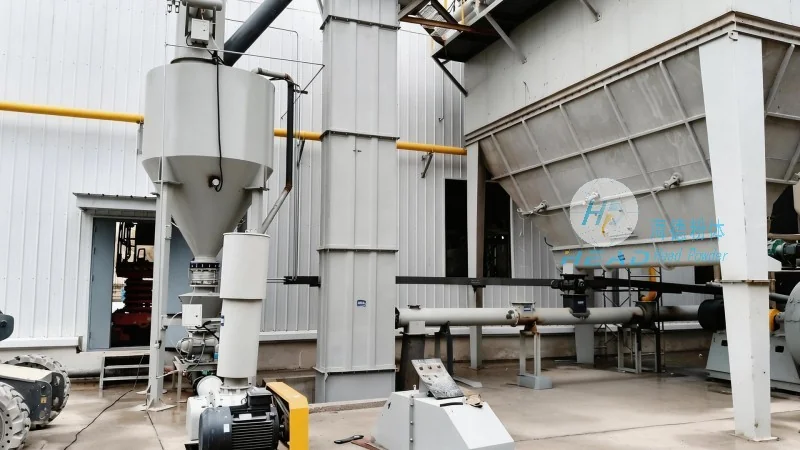
In addition to waste management, the technology is also used in the production of biofuels. Algae residue, which can be rich in nutrients and organic matter, can be processed into pellets and then transported using pneumatic systems to fuel processing plants or power generation facilities. This ensures a continuous supply of raw material for biofuel production, reducing transportation costs and environmental impact.
Another application is in the agricultural sector, where algae residue pellets can be used as organic fertilizers. Pneumatic conveying allows for the efficient distribution of these fertilizers to farms, ensuring uniform application and maximizing their effectiveness. The technology helps in reducing the labor and time required for manual handling of the pellets, making the process more efficient and sustainable.
Key Factors Affecting Pneumatic Conveying Performance
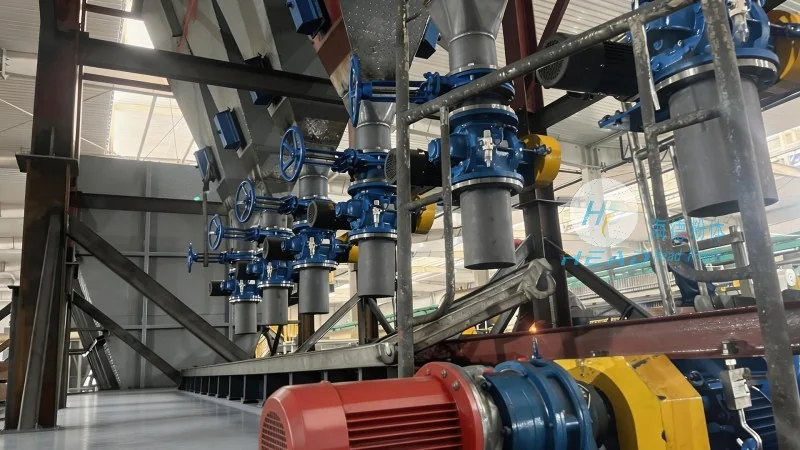
The performance of algae residue pellet pneumatic conveying systems is influenced by several key factors. These include the particle size and shape, the moisture content of the material, the air velocity and pressure, and the pipeline design. Proper selection of these parameters is crucial to ensure efficient and reliable operation. For example, larger or irregularly shaped particles may require higher air velocities to maintain suspension, while high moisture content can affect the material's flow properties and increase the risk of clogging.
System design also plays a critical role in performance. The pipeline diameter, length, and elevation changes must be carefully considered to minimize pressure drop and prevent particle deposition. Regular maintenance of the system, including cleaning of filters and checking for leaks, is essential to maintain optimal performance and prevent system failures.
Conclusion
Algae residue pellet pneumatic conveying is a versatile and efficient technology for handling biomass materials. By understanding the working principles and classification of pneumatic conveying systems, industries can optimize their material handling processes, reduce transportation costs, and minimize environmental impact. The technology's ability to handle large volumes of material over long distances makes it an ideal solution for algae residue management in bioenergy and waste management applications. As the demand for sustainable energy sources and waste management solutions grows, the importance of pneumatic conveying in these sectors is likely to increase, making it a key technology for the future of biomass processing.




