The iron turnings material handling system represents a critical component in modern metalworking and recycling operations. These systems are engineered to efficiently transport iron turnings, a fine metal powder or small fragments produced during machining processes, from one point to another within a manufacturing facility. The primary goal of such systems is to streamline the handling of this material, enabling seamless integration into recycling processes or further manufacturing steps. As industrial demands for efficient material management grow, the design and implementation of reliable iron turnings material handling systems have become increasingly important.
Understanding the Core Components of a Material Handling System for Iron Turnings
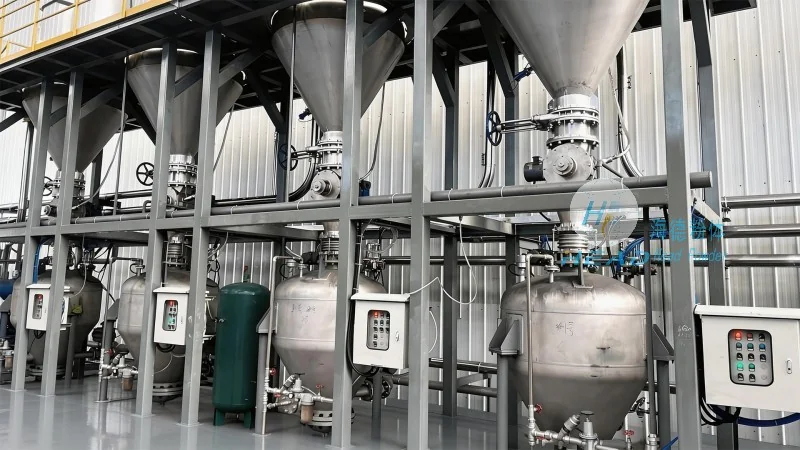
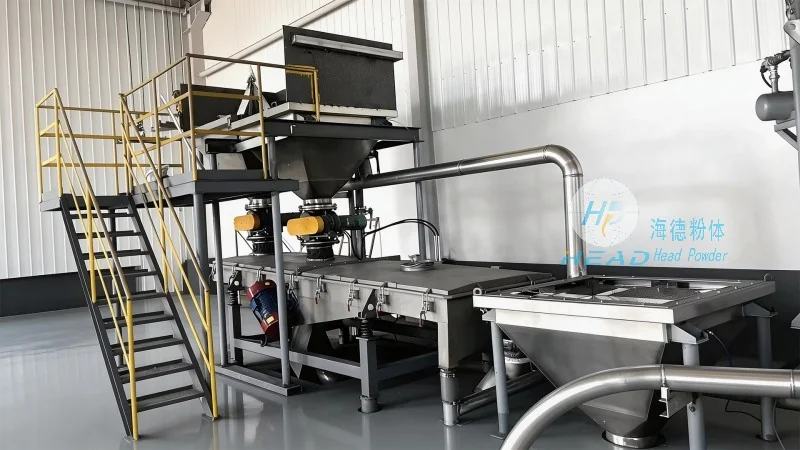
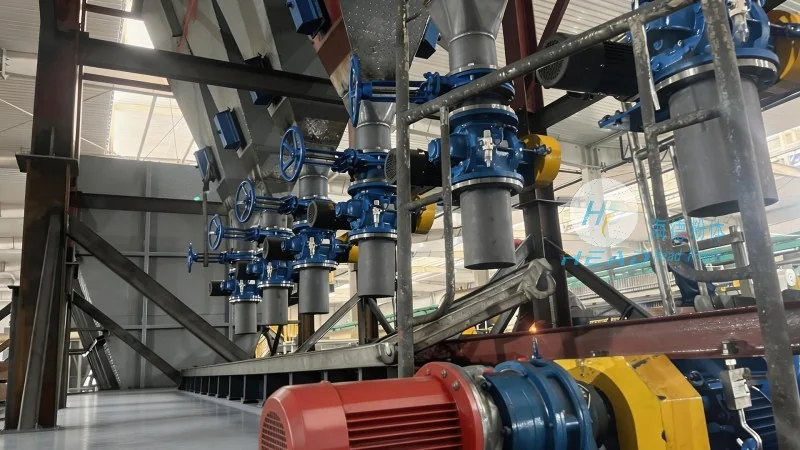
A well-designed iron turnings material handling system typically consists of several interrelated components that work together to ensure smooth material flow. The most common components include conveyors, which are the backbone of the system, responsible for transporting the iron turnings. Belt conveyors are widely used due to their ability to handle large volumes of material over long distances with minimal maintenance. Screw conveyors, on the other hand, are ideal for vertical or inclined transport, as they can lift and move material while maintaining a consistent flow. Hoppers and chutes are used to collect and direct the iron turnings into the conveyor system, ensuring a uniform feed. Feeders, such as vibratory feeders or rotary valves, regulate the material flow rate, preventing overloading or underfeeding of the conveyor. Control systems, including PLCs (Programmable Logic Controllers) and sensors, monitor the system's operation, adjust conveyor speeds, and trigger alarms in case of abnormalities like blockages or low material levels.
Design Principles for Efficient Iron Turnings Transportation
The design of an iron turnings material handling system follows several key principles aimed at optimizing performance, energy efficiency, and durability. The first principle is adaptability, as the system must be tailored to the specific characteristics of the iron turnings, such as particle size, moisture content, and density. For instance, dry, free-flowing iron turnings may require a belt conveyor with a smooth surface to prevent material buildup, while wet or sticky turnings might need a conveyor with a textured surface or additional cleaning mechanisms. The second principle is space efficiency, as industrial facilities often have limited space, and the system's layout must be optimized to fit within the available area without compromising functionality. The third principle is safety, with the inclusion of protective guards, emergency stop buttons, and safety interlocks to prevent operator injuries and equipment damage. Additionally, the system should be designed for easy maintenance, with accessible components and clear operational instructions to reduce downtime and maintenance costs.
The Role of HeadPowder in Engineering and Implementing These Systems
Shandong HeadPowder Engineering Co., Ltd., a prominent engineering firm based in China, is a key player in the development and implementation of iron turnings material handling systems. With a strong focus on innovation and customer-centric solutions, HeadPowder has established itself as a trusted partner for businesses seeking reliable material handling solutions. The company's team of experienced engineers and technicians work collaboratively with clients to understand their operational challenges and design customized systems that meet their specific needs. HeadPowder's expertise encompasses the entire project lifecycle, from initial consultation and system design to manufacturing, installation, and post-installation support. The company utilizes advanced design software and simulation tools to model and optimize system performance before fabrication, ensuring that the final product meets or exceeds industry standards. HeadPowder's commitment to quality and customer satisfaction has made it a preferred choice for many manufacturers in the metalworking and recycling industries.
Key Considerations for Selecting and Operating an Iron Turnings Material Handling System
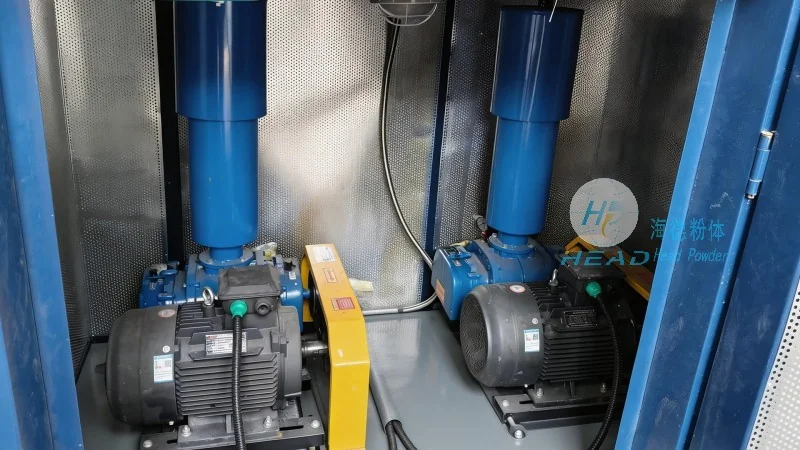
Selecting the right iron turnings material handling system requires careful evaluation of several factors to ensure it aligns with the operational requirements and long-term goals of the business. The first consideration is the volume and flow rate of the material. High-volume operations may necessitate larger conveyors or multiple conveyor lines to maintain consistent throughput, while low-volume applications might use smaller, more compact systems. The second consideration is the distance and direction of material transport. Horizontal, vertical, or inclined transport may require different types of conveyors, such as belt conveyors for horizontal movement or screw conveyors for vertical lifting. The third consideration is the material's physical properties, including particle size, moisture content, and abrasiveness. These factors influence the choice of conveyor type and the need for additional components like dust collection systems or material conditioning equipment. Operating the system also requires adherence to best practices to maximize efficiency and safety. Regular maintenance, including cleaning conveyor belts, lubricating moving parts, and checking for wear and tear, is essential to prevent breakdowns and extend the system's lifespan. Additionally, training operators on proper system operation and emergency procedures is crucial to ensure safe and efficient use. By following these guidelines, businesses can ensure that their iron turnings material handling system operates at peak performance, reducing operational costs and improving overall productivity.




