Understanding metal particle material handling is crucial for industries that rely on efficient and reliable transportation of metallic powders and granules. This process involves the movement of metal particles from one location to another, often within manufacturing or processing facilities. The design principles behind such systems are critical to ensuring optimal performance, safety, and cost-effectiveness.
Key Components of Metal Particle Material Handling Systems
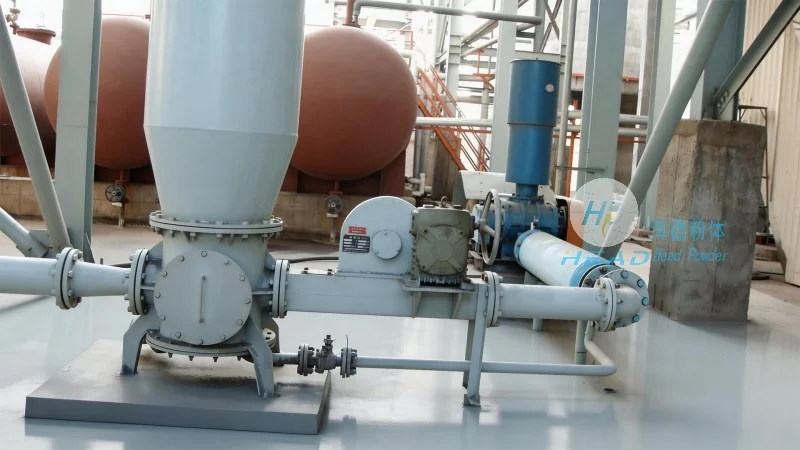
Effective metal particle material handling systems typically consist of several key components. These include feeders, conveyors, storage bins, and control systems. Each component plays a vital role in the overall operation. Feeders are responsible for controlling the flow of metal particles from the source, ensuring a consistent and controlled rate of material movement. Conveyors, such as belt conveyors or pneumatic systems, transport the particles through the system. Storage bins are used to hold larger quantities of material, providing a buffer between production and processing stages. Control systems, often integrated with sensors and automation technology, monitor and adjust the flow of material to maintain optimal conditions.
Design Principles for Efficient Metal Particle Handling
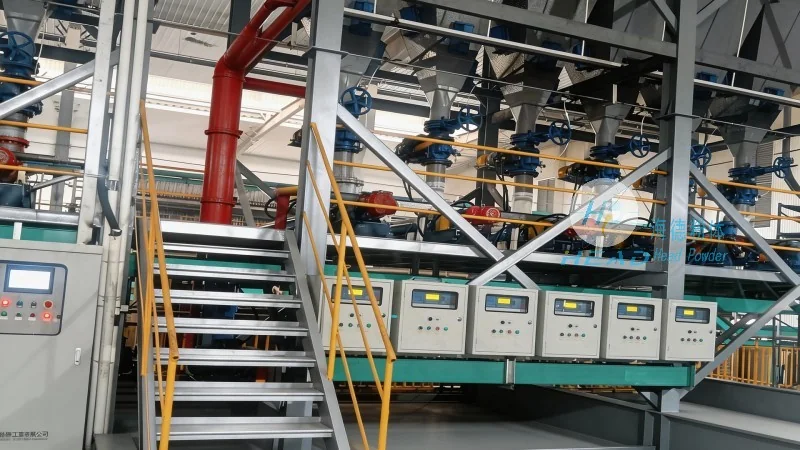
The design of metal particle material handling systems follows several fundamental principles to ensure efficiency and reliability. One of the primary principles is the minimization of material degradation. Metal particles are often sensitive to friction, impact, and exposure to air, which can affect their properties. Therefore, the design incorporates features like smooth surfaces, gentle slopes, and enclosed systems to reduce particle attrition and prevent contamination. Another key principle is the prevention of material buildup and blockages. Properly designed systems include features like self-cleaning mechanisms and regular maintenance access points to ensure continuous operation. Additionally, the design considers the specific characteristics of the metal particles, such as size, density, and flowability, to select appropriate equipment and control parameters.
Role of Material Properties in Design
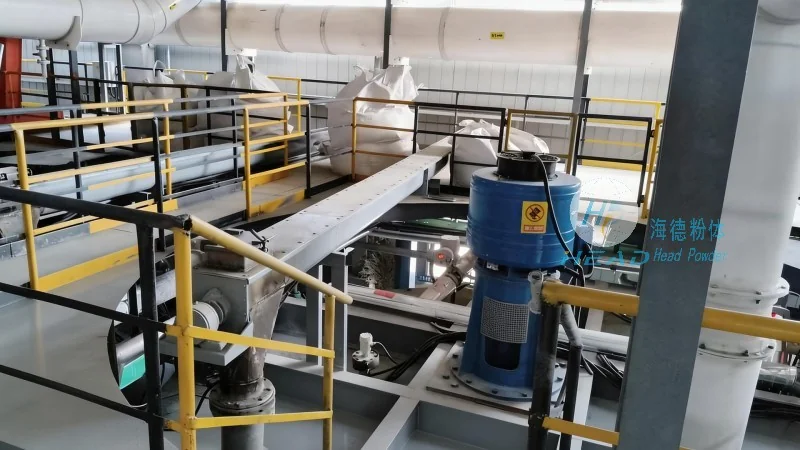
The physical and chemical properties of metal particles significantly influence the design of handling systems. For example, the size and shape of the particles affect the flow characteristics, which in turn impacts the choice of conveyor type. Dense and heavy particles may require more robust equipment to handle the weight and prevent wear. The flowability of the material, often measured by angle of repose and bulk density, determines the design of storage bins and feeders. Furthermore, the chemical properties, such as reactivity with air or moisture, may necessitate enclosed systems with proper ventilation and sealing to maintain material integrity. Engineers at Shandong HeadPowder Engineering Co., Ltd. carefully analyze these properties to develop customized solutions that meet the specific needs of each application.
Common Applications and Challenges
Metal particle material handling is widely used in various industries, including metal powder metallurgy, chemical processing, and food processing. In metal powder metallurgy, for instance, the handling of metal powders is essential for the production of components through processes like sintering and pressing. The challenges in these applications often revolve around maintaining particle purity and preventing oxidation. In chemical processing, metal powders may be used as catalysts or raw materials, requiring precise control over the handling process to avoid contamination. The food industry, while less common with metal particles, may use metal powders in certain applications, where hygiene and safety are paramount. Common challenges across these industries include maintaining consistent flow rates, preventing equipment wear, and ensuring compliance with safety regulations. Shandong HeadPowder Engineering Co., Ltd. addresses these challenges through innovative design and advanced materials, providing solutions tailored to the unique demands of each application.
Advancements in Metal Particle Handling Technology
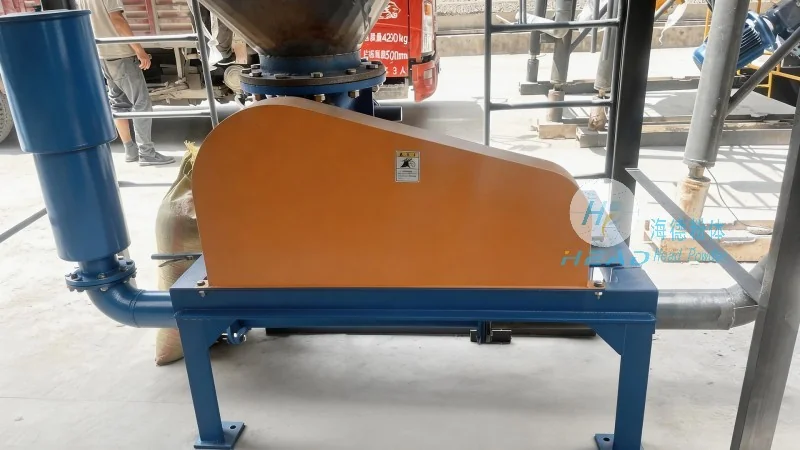
Technological advancements have significantly improved the efficiency and reliability of metal particle material handling systems. Modern systems often incorporate automation and sensor technology to enhance control and monitoring. For example, real-time monitoring of particle flow and temperature can help detect issues before they become critical. The use of advanced materials, such as corrosion-resistant alloys and non-stick coatings, extends the lifespan of equipment and reduces maintenance costs. Additionally, the integration of energy-efficient components, like variable speed drives, optimizes power consumption while maintaining performance. These advancements not only improve operational efficiency but also contribute to cost savings and environmental sustainability. Shandong HeadPowder Engineering Co., Ltd. stays at the forefront of these technological developments, incorporating the latest innovations into their designs to deliver cutting-edge solutions for their clients.




