For industries dealing with bulk solid materials like potassium chloride, efficient and reliable material handling is crucial. Pneumatic conveying systems offer a versatile solution for transporting such materials, and understanding the working principles and classification of these systems is essential for optimizing operational efficiency and ensuring safety.
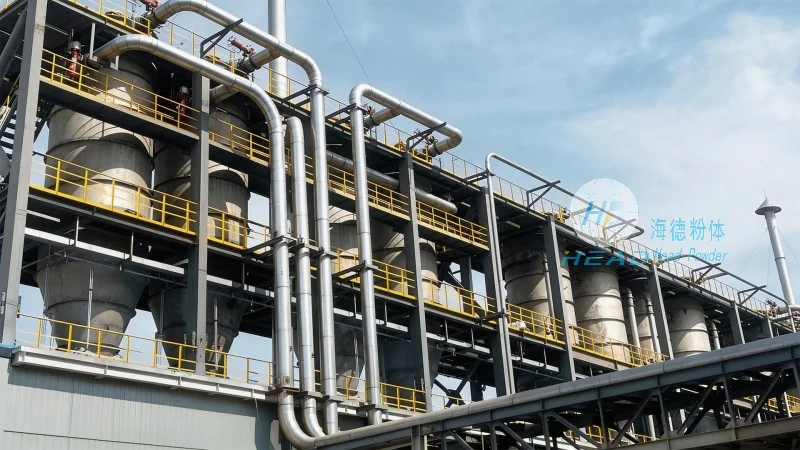
Overview of Potassium Chloride Pneumatic Conveying
Potassium chloride (KCl) is a widely used industrial chemical, often utilized in agriculture, food processing, and chemical manufacturing. The need to transport KCl in bulk quantities efficiently has led to the development of specialized pneumatic conveying systems. These systems utilize air or other gases to move the material from one location to another, eliminating the need for mechanical components like belts or buckets in traditional conveying methods.
Working Principle of Pneumatic Conveying Systems
The fundamental principle of pneumatic conveying involves creating a pressure differential between the material feed point and the discharge point. In a typical system, air is introduced into the conveying line, creating a flow that entrains the KCl particles. The system can operate in either positive pressure or negative pressure modes, depending on the application requirements. Positive pressure systems use compressed air to push the material through the line, while negative pressure systems use vacuum to draw the material from the source.
Key Components of Pneumatic Conveying Systems
Several critical components are integral to the operation of a pneumatic conveying system for KCl. These include the material feeder, which ensures a consistent flow of KCl into the system; the conveying line, which transports the material; the air compressor or vacuum pump, which provides the necessary pressure or vacuum; and the separation and filtration equipment, which cleans the air and separates any remaining KCl particles.
Classification of Pneumatic Conveying Systems
Pneumatic conveying systems for KCl can be classified based on several factors, including the pressure level, the type of air flow, and the system configuration. The primary classifications are:
Positive Pressure Systems
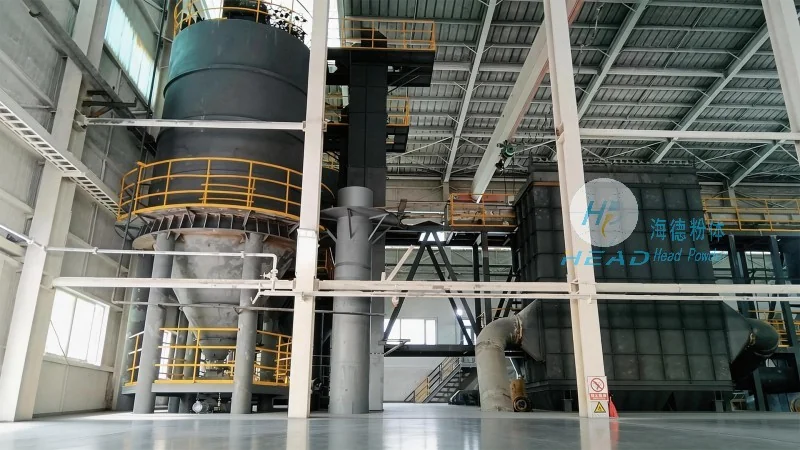
Positive pressure systems use compressed air to move the material. These systems are generally more suitable for long-distance or high-capacity conveying, as they can maintain a consistent flow over longer distances. They are also effective for transporting KCl in dusty or hazardous environments, as the air is contained within the system.
Negative Pressure (Vacuum) Systems
Negative pressure systems use a vacuum to draw the material from the source. These systems are often preferred for short-distance conveying or when the material needs to be transported from a lower elevation to a higher one. They are also useful for applications where the material is sensitive to pressure changes or where the environment is clean and dust-free.
Combined Systems
Some applications may require a combination of positive and negative pressure systems. For example, a system might use a positive pressure section to transport KCl from a storage silo to a processing plant, and then switch to a negative pressure section to deliver the material to a specific location within the plant.
Application Scenarios in Industrial Settings
The classification of pneumatic conveying systems allows for tailored solutions to meet the specific needs of KCl handling in various industrial settings. For instance, in agricultural facilities, positive pressure systems may be used to transport KCl from storage silos to fertilizer mixing equipment, ensuring a consistent supply of the material. In chemical manufacturing plants, negative pressure systems might be employed to transfer KCl from a reaction vessel to a filtration unit, minimizing the risk of contamination.
Advantages of Pneumatic Conveying for KCl
Implementing pneumatic conveying systems for potassium chloride offers several advantages over traditional mechanical conveying methods. These include:
1. Reduced Maintenance: Pneumatic systems have fewer moving parts compared to mechanical conveyors, leading to lower maintenance costs and longer equipment life.
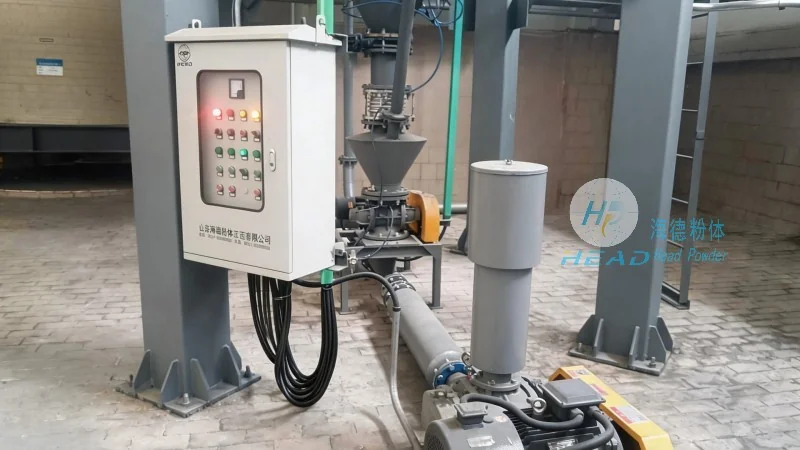
2. Improved Safety: The enclosed nature of pneumatic systems helps to contain dust and prevent the release of hazardous materials, enhancing workplace safety.
3. Flexibility: Pneumatic conveying systems can be easily reconfigured to accommodate changes in production volume or material flow requirements.
4. Energy Efficiency: Modern pneumatic systems are designed to optimize air usage, reducing energy consumption and operational costs.
Considerations for System Selection
When selecting a pneumatic conveying system for KCl, several factors must be considered to ensure optimal performance. These include the required conveying capacity, the distance between the source and destination, the physical properties of the KCl (such as particle size and moisture content), and the environmental regulations in the operating location. Consulting with a specialized engineering company, such as Shandong HeadPowder Engineering Co., Ltd., can provide expert guidance in choosing the most suitable system for a specific application.
Conclusion
Pneumatic conveying systems represent a highly effective and efficient method for transporting potassium chloride in bulk. By understanding the working principles and classification of these systems, industries can select the most appropriate solution to meet their operational needs. The expertise and solutions provided by companies like Shandong HeadPowder Engineering Co., Ltd. play a crucial role in optimizing KCl handling processes, ensuring reliability, and enhancing overall productivity.




