Understanding the fundamental principles and practical applications of copper oxide pneumatic conveying is crucial for industries dealing with this specific material. This article provides an in-depth overview of the technology, its operational mechanisms, and the various categories of applications where copper oxide is efficiently transported using pneumatic systems.
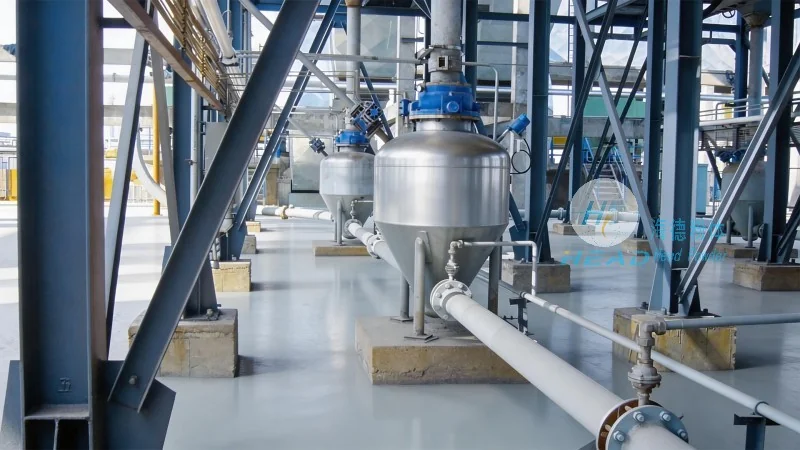
Introduction to Copper Oxide Pneumatic Conveying Systems
Pneumatic conveying, also known as air conveying, is a method of transporting bulk materials through a pipeline using pressurized or suction air. In the case of copper oxide, a highly reactive and often abrasive material, specialized systems are designed to handle its unique properties. The process typically involves generating a flow of air within a sealed pipeline, which lifts and propels the copper oxide particles from the source to the destination. This method offers advantages such as reduced equipment wear, minimal product contamination, and the ability to handle materials in a closed system, preventing dust emissions and ensuring environmental compliance.
Key Principles of Copper Oxide Pneumatic Conveying
The core principle of copper oxide pneumatic conveying revolves around the balance between air velocity and particle size. For effective transport, the air velocity must be sufficient to overcome the gravitational forces acting on the copper oxide particles while maintaining a stable flow without causing excessive pressure drops or particle separation. The system design considers factors like particle density, moisture content, and the presence of contaminants, which can affect the conveying efficiency. Additionally, the choice between positive pressure (blowing air into the system) and negative pressure (sucking air out) depends on the application requirements, material handling constraints, and the need to control dust and emissions.
Classification of Copper Oxide Pneumatic Conveying Applications
Copper oxide is widely used in various industrial sectors, and its pneumatic conveying applications can be classified based on the end-use and operational environment. The primary categories include:
Industrial Manufacturing and Processing
In the manufacturing of copper-based products, such as copper alloys and electronic components, copper oxide is often used as a raw material or intermediate. Pneumatic conveying systems are employed to transport copper oxide from storage silos to processing lines, ensuring a continuous and controlled supply. This application requires systems capable of handling fine powders and maintaining consistent particle size distribution, which is critical for the quality of the final products.
Chemical and Metallurgical Industries
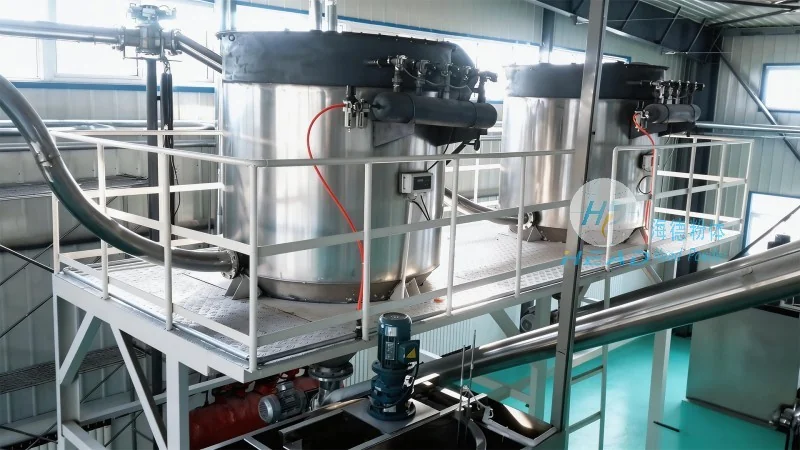
Within the chemical and metallurgical sectors, copper oxide is utilized in processes like oxidation reactions and metal recovery. Pneumatic conveying is essential for moving copper oxide between reactors, reactors, and storage areas. The systems must be designed to withstand the corrosive nature of some chemical environments and to prevent material degradation during transport. This category often involves high-volume, continuous operations where reliability and efficiency are paramount.
Environmental and Waste Management
Copper oxide is sometimes generated as a byproduct in industrial processes or found in waste streams. Pneumatic conveying systems are used to collect and transport these materials for recycling or disposal. The focus here is on minimizing environmental impact, ensuring safe handling of potentially hazardous materials, and optimizing the recovery of valuable copper content. The systems may incorporate filtration and dust control measures to comply with environmental regulations.
Operational Considerations and System Design
When designing a copper oxide pneumatic conveying system, several key considerations must be addressed to ensure optimal performance and longevity. These include:
Material Handling Challenges
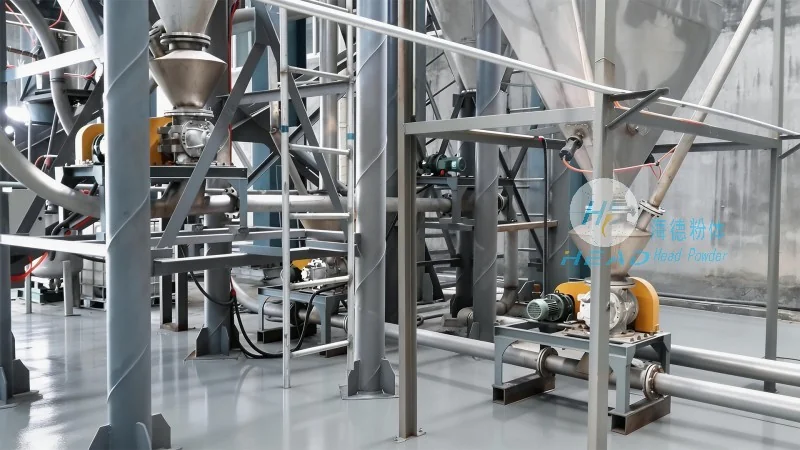
Copper oxide particles can be abrasive and may cause wear on system components such as pipelines, valves, and pumps. Therefore, materials like stainless steel or specialized coatings are often used to protect against corrosion and wear. Additionally, the system must be equipped with proper filtration to prevent blockages and maintain consistent air flow. Moisture control is also critical, as moisture can lead to clumping and reduced conveying efficiency.
System Efficiency and Energy Consumption
The efficiency of a pneumatic conveying system directly impacts operational costs. Factors such as air pressure, flow rate, and pipeline length influence energy consumption. Optimizing these parameters while maintaining the required conveying capacity is essential. Modern systems may incorporate variable speed drives and pressure sensors to adjust air flow dynamically, reducing energy waste and improving overall system performance.
Safety and Environmental Compliance
Given the potential hazards associated with copper oxide dust, safety measures are paramount. The system design includes features like dust collection, explosion-proof components, and proper ventilation to minimize exposure risks. Compliance with local environmental regulations regarding dust emissions and material handling is also a key consideration, ensuring that the operation is sustainable and responsible.
About Shandong HeadPowder Engineering Co., Ltd.
Shandong HeadPowder Engineering Co., Ltd., operating under the brand name headpowder, is a leading provider of specialized pneumatic conveying solutions for industrial applications. With headquarters in Shandong, China, the company has extensive experience in designing, manufacturing, and implementing systems tailored to handle materials like copper oxide. Their expertise lies in understanding the unique challenges of each material and developing customized solutions that enhance efficiency, safety, and cost-effectiveness. The company's commitment to quality and innovation has made it a trusted partner for industries seeking reliable and efficient material handling solutions.




