Shandong HeadPowder Engineering Co., Ltd., commonly known as headpowder, is a professional manufacturer based in Shandong, China. The company specializes in the research, development, and production of high-temperature fine powder pneumatic conveying equipment, offering reliable solutions for industrial material handling needs. This article will delve into the operation process and working principle of such equipment, highlighting the key aspects that make it an essential tool in modern industrial applications.
Working Principle of High Temperature Fine Powder Pneumatic Conveying Equipment
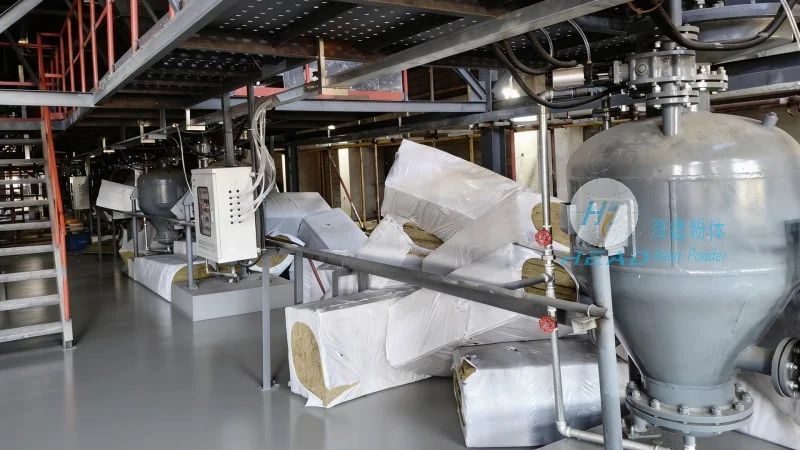
The core principle of high temperature fine powder pneumatic conveying is the use of compressed air to transport fine powders through a pipeline system. Unlike traditional mechanical conveying methods, this technology relies on air pressure to move materials, which is particularly advantageous for handling materials that are difficult to transport via conventional means, such as those with high temperature, moisture sensitivity, or abrasive properties. The equipment operates by creating a pressure differential between the inlet and outlet of the conveying line, ensuring that the powder is suspended and transported efficiently. The process involves several key components, including a feeder, a blower or compressor, a conveying pipeline, a separation system, and a receiver. Each component plays a critical role in maintaining the integrity and efficiency of the conveying operation.
Operation Process of the Equipment
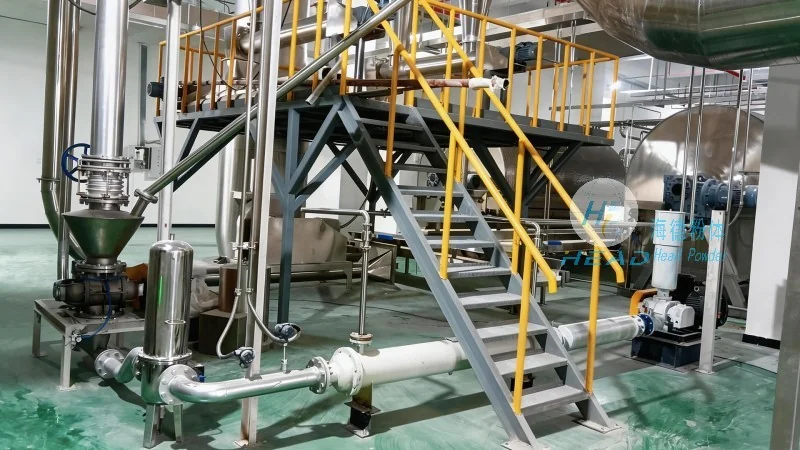
The operation process of high temperature fine powder pneumatic conveying equipment typically follows a systematic sequence. Initially, the fine powder is fed into the system through a feeder, which may be a rotary valve or a screw feeder, depending on the material characteristics and flow rate requirements. The feeder ensures a consistent and controlled supply of material to the conveying line. Next, the feeder connects to a blower or compressor, which generates the necessary air pressure to transport the powder. The compressed air is then introduced into the conveying pipeline, where it mixes with the fine powder, creating a suspension that moves through the pipeline. As the mixture travels, it passes through various sections of the pipeline, including bends, elbows, and straight runs, which are designed to minimize pressure loss and maintain the stability of the powder-air mixture. The conveying line terminates at a separation system, which may include a cyclone separator or a bag filter, where the air and powder are separated. The separated powder is collected in a receiver, while the air is either vented to the atmosphere or recycled back into the system, depending on the specific design and application requirements. Finally, the collected powder is discharged from the receiver, completing the conveying cycle.
Key Components and Their Functions
Several critical components are integral to the performance and efficiency of high temperature fine powder pneumatic conveying equipment. The feeder is responsible for delivering the fine powder to the system in a controlled manner, preventing blockages and ensuring consistent flow. The blower or compressor provides the necessary air pressure and volume to transport the powder, with options ranging from positive displacement blowers to centrifugal compressors, depending on the system's requirements. The conveying pipeline is typically made of materials such as stainless steel or plastic, selected for their resistance to corrosion, heat, and wear. The separation system, often a cyclone separator, uses centrifugal force to separate the powder from the air, ensuring that the powder is collected efficiently and the air is cleaned before being discharged or recycled. The receiver is a storage vessel that collects the conveyed powder, with features such as dust-proofing and easy access for material discharge. Each component is designed to work in harmony, optimizing the overall performance of the equipment and minimizing operational issues.
Application Scenarios and Benefits
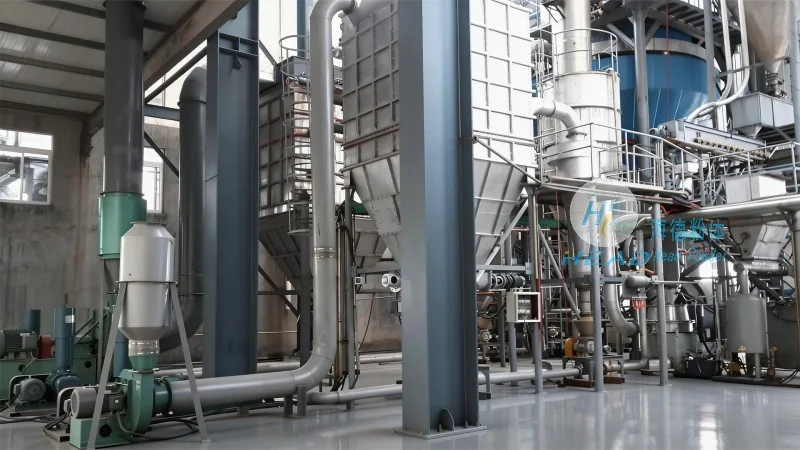
High temperature fine powder pneumatic conveying equipment is widely used in various industrial sectors, including chemical, pharmaceutical, food processing, and cement production. In these applications, the equipment is essential for handling materials that are sensitive to moisture, temperature, or contamination. The benefits of using pneumatic conveying for high temperature fine powders include improved safety, as the material is contained within a closed system, reducing the risk of dust explosions or environmental contamination. Additionally, the technology offers enhanced efficiency, as it can transport materials over long distances with minimal pressure loss and reduced energy consumption compared to mechanical conveying methods. The equipment also provides flexibility in material handling, allowing for easy integration into existing production lines and adaptation to varying material characteristics. Overall, the high temperature fine powder pneumatic conveying equipment from Shandong HeadPowder Engineering Co., Ltd. offers a reliable and efficient solution for industrial material transport, contributing to improved productivity and operational safety in modern manufacturing environments.




