For industrial applications involving sodium chlorate, efficient material handling is crucial. Pneumatic conveying systems offer a reliable method to transport sodium chlorate, a compound widely used in various sectors such as chemical manufacturing, water treatment, and pulp and paper production. This article explores the working principles of sodium chlorate pneumatic conveying, along with its classification and practical applications, providing insights into how this technology enhances operational efficiency and safety in material transport processes.
Introduction to Sodium Chlorate and Pneumatic Conveying
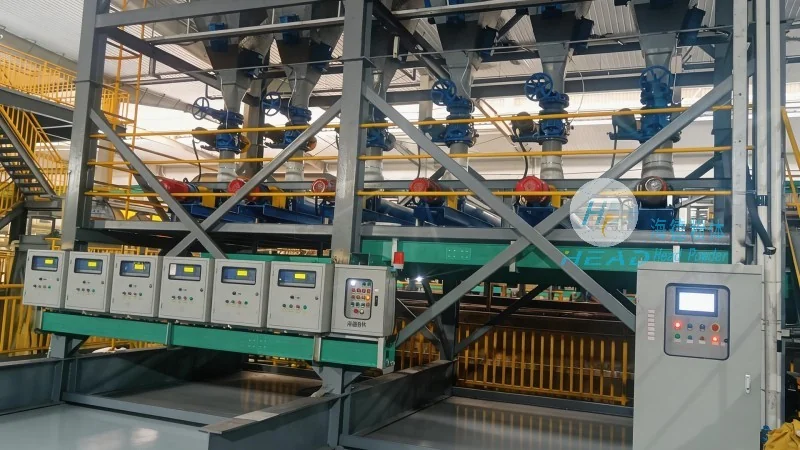
Sodium chlorate (NaClO₃) is an inorganic compound with significant industrial applications due to its oxidizing properties. It is commonly used as a bleaching agent, disinfectant, and in the production of other chemicals. When handling sodium chlorate, ensuring safe and efficient transport is paramount. Pneumatic conveying, which utilizes air or gas to move solid materials, has emerged as a preferred method for transporting sodium chlorate in bulk, offering advantages over traditional mechanical systems like screw conveyors or belt conveyors.
Working Principle of Sodium Chlorate Pneumatic Conveying
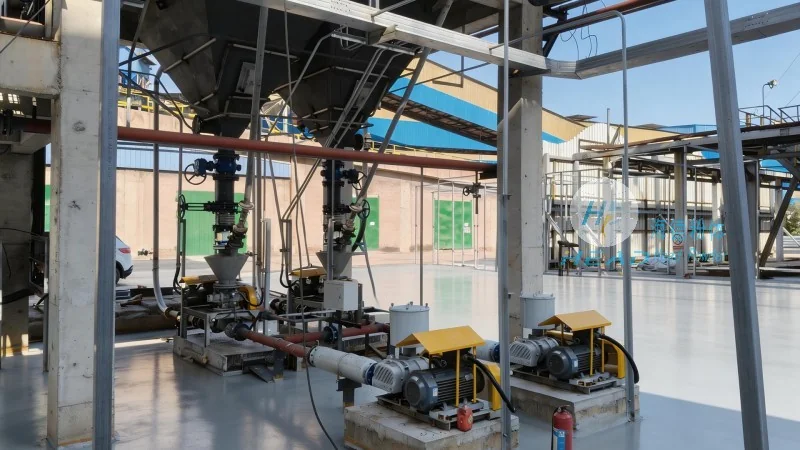
The core principle of pneumatic conveying for sodium chlorate involves the use of a conveying medium, typically air, to transport the solid particles. The process generally operates under pressure or vacuum, depending on the system design. In a pressure system, air is compressed and introduced into the conveying line, pushing the sodium chlorate particles forward. Conversely, a vacuum system draws air and particles into the line, creating a suction effect that moves the material. The choice between pressure and vacuum depends on factors such as the distance to be covered, the material's characteristics, and the desired flow rate.
Types of Pneumatic Conveying Systems for Sodium Chlorate
Pneumatic conveying systems for sodium chlorate can be classified into several types based on their operating principles and design. The primary categories include dilute-phase and dense-phase systems. Dilute-phase systems, also known as pneumatic transport systems, operate at low solids concentration, where the particles are suspended in the air stream. This method is suitable for short to medium distances and low to moderate flow rates. Dense-phase systems, on the other hand, transport the material in a more concentrated form, often using higher air pressures or lower flow rates to maintain particle integrity and prevent degradation. For sodium chlorate, the selection of a system type depends on the specific application requirements, including the need for gentle handling to avoid particle breakage or the requirement for high throughput.
Applications of Sodium Chlorate Pneumatic Conveying
Sodium chlorate pneumatic conveying finds applications across multiple industries. In chemical manufacturing, it is used to transport sodium chlorate from storage silos to processing units, ensuring a continuous supply without manual handling. In water treatment facilities, the system aids in delivering sodium chlorate for disinfection and oxidation processes, maintaining water quality standards. The pulp and paper industry also utilizes this technology to transport sodium chlorate for bleaching and chemical processing, enhancing the efficiency of paper production. Additionally, in industrial cleaning and sanitation, pneumatic conveying systems help in distributing sodium chlorate-based cleaning agents to various parts of a facility, ensuring uniform application and effective cleaning.
Advantages of Using Pneumatic Conveying for Sodium Chlorate
Employing pneumatic conveying for sodium chlorate offers several advantages over traditional methods. Firstly, it eliminates the need for mechanical components that may cause wear and tear or contamination. The absence of moving parts reduces maintenance requirements and operational costs. Secondly, the system provides a closed environment, preventing dust emissions and ensuring compliance with environmental regulations. This is particularly important for sodium chlorate, which can be hazardous if released into the atmosphere. Thirdly, pneumatic conveying allows for precise control over flow rates and pressure, enabling accurate dosing and consistent material delivery. This control is critical in processes where the exact amount of sodium chlorate is essential for product quality and safety.
Considerations for Implementing Sodium Chlorate Pneumatic Conveying Systems
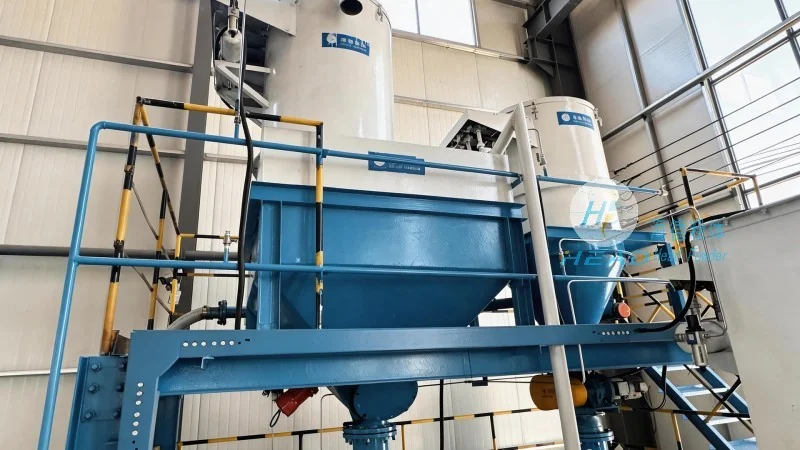
When implementing a pneumatic conveying system for sodium chlorate, several factors must be considered to ensure optimal performance and safety. Material properties, such as particle size, density, and moisture content, significantly impact system design. For example, fine particles may require a more gentle conveying method to prevent clogging or degradation, while larger particles might necessitate higher air pressures. The distance and layout of the conveying line also influence the choice of system type, as pressure systems are generally more suitable for longer distances, while vacuum systems are better for shorter, more flexible routes. Additionally, the system must be designed to handle the potential hazards associated with sodium chlorate, including its oxidizing nature and potential for explosion if not handled properly. Proper safety measures, such as explosion-proof components and emergency shutdown systems, are essential to mitigate risks and ensure safe operation.
Conclusion
Pneumatic conveying represents an effective and efficient method for transporting sodium chlorate in industrial settings. By understanding the working principles and classification of these systems, industries can select the most appropriate technology to meet their specific needs. The advantages of pneumatic conveying, including reduced maintenance, environmental compliance, and precise control, make it a preferred choice for handling sodium chlorate. As industrial processes continue to evolve, the adoption of advanced pneumatic conveying systems will likely increase, further enhancing the safety and efficiency of sodium chlorate handling operations. For companies like Shandong HeadPowder Engineering Co., Ltd., specializing in such engineering solutions, the development and implementation of reliable pneumatic conveying systems play a vital role in supporting the diverse applications of sodium chlorate across various industries.




