Ammonium bicarbonate, a chemical compound with the formula (NH₄)HCO₃, is widely utilized in industries such as food processing, pharmaceuticals, and agriculture due to its role as a leavening agent and a source of nitrogen. The efficient transportation of this material is crucial for maintaining production efficiency and ensuring product quality. Pneumatic conveying systems offer a non-contact method of moving ammonium bicarbonate, which is particularly advantageous when dealing with materials that are prone to caking or require dust-free handling. This article explores the classification and essential components of ammonium bicarbonate pneumatic conveying systems, providing insights into their design and functionality.
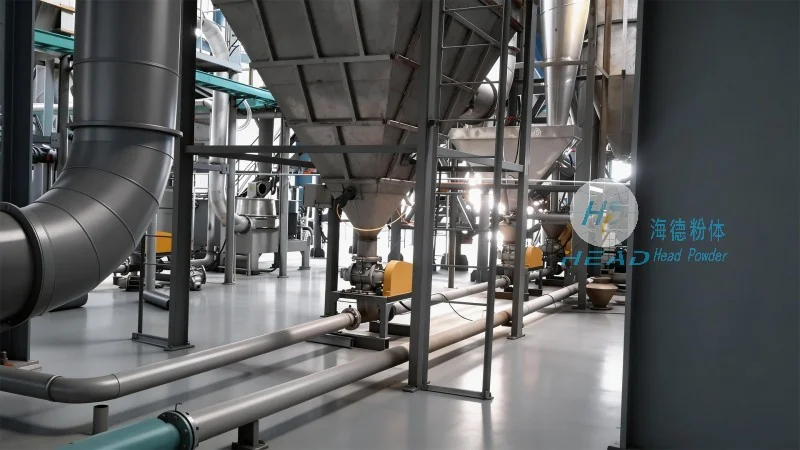
Classification of Ammonium Bicarbonate Pneumatic Conveying Systems
Ammonium bicarbonate pneumatic conveying systems are categorized based on the pressure differentials used to move the material. The two main types are pressure systems and vacuum systems. Pressure systems operate by injecting compressed air or gas into the material stream, creating a positive pressure that propels the material through the pipeline. These systems are suitable for short to medium distances and high material flow rates. On the other hand, vacuum systems use a vacuum pump to create a negative pressure, which draws the material into the system. Vacuum systems are ideal for long-distance conveying and for handling materials that are sensitive to pressure changes. Additionally, there are hybrid systems that combine both pressure and vacuum principles to optimize performance for specific applications.
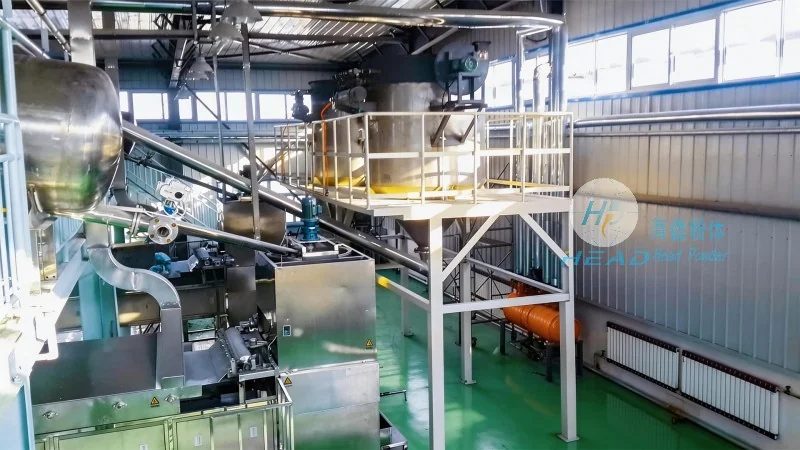
Key Components of Ammonium Bicarbonate Pneumatic Conveying Systems
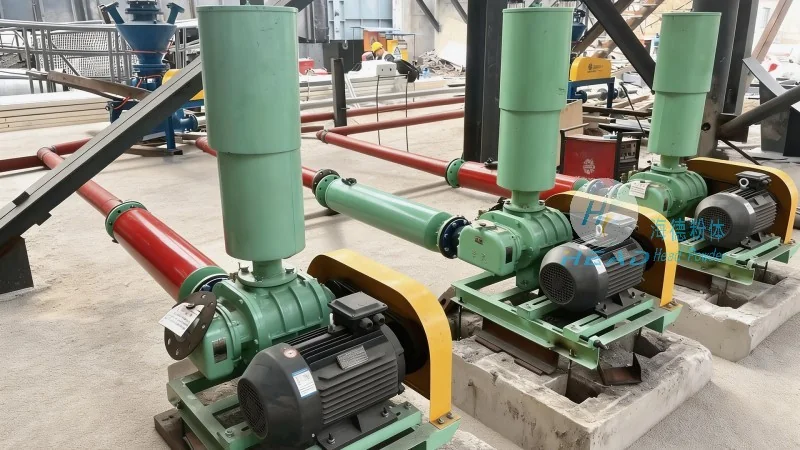
The successful operation of an ammonium bicarbonate pneumatic conveying system relies on a series of interconnected components that work together to ensure reliable material transport. The material feed hopper is the first component, designed to store the ammonium bicarbonate and provide a controlled feed rate. This hopper often includes a rotary valve or a screw feeder to regulate the material flow into the system. The air compressor or vacuum pump is the next critical component, responsible for generating the necessary pressure or vacuum. The choice of compressor type, such as rotary screw or reciprocating, depends on the system's requirements, including pressure levels and noise considerations. The conveying pipeline, typically made of stainless steel or other corrosion-resistant materials, is designed to withstand the chemical properties of ammonium bicarbonate and to minimize material degradation. The pipeline layout, including bends and fittings, is carefully engineered to maintain consistent air velocity and prevent material buildup. Finally, the dust collection system, which may include a cyclone separator or a baghouse filter, captures any fine particles that escape the conveying process, ensuring compliance with environmental regulations and maintaining a clean working environment.
Company Overview: Shandong HeadPowder Engineering Co., Ltd.
Shandong HeadPowder Engineering Co., Ltd., commonly known as Headpowder, is a reputable engineering firm specializing in the development and implementation of pneumatic conveying systems for industrial applications. Headpowder has been serving clients with tailored solutions since its establishment, focusing on the unique challenges of handling ammonium bicarbonate and other similar materials. The company's headquarters is situated in Shandong, China, a region known for its robust industrial sector and advanced manufacturing capabilities. Headpowder's team of experienced engineers and technicians leverages cutting-edge technology and rigorous quality control measures to design systems that meet the highest standards of efficiency and safety. The company's commitment to customer satisfaction is reflected in its comprehensive after-sales support, including system maintenance, troubleshooting, and performance optimization. Headpowder's expertise in ammonium bicarbonate handling ensures that its systems are not only effective but also environmentally friendly, aligning with global sustainability goals.




