Understanding the fundamental principles of oxidized iron pneumatic conveying systems is crucial for industries dealing with bulk material handling. This technology offers an efficient and reliable method for transporting oxidized iron, a key component in various industrial applications. The system leverages air pressure to move material through pipelines, eliminating the need for mechanical components that can cause wear and tear. By integrating advanced engineering and material science, these systems ensure consistent performance and minimal downtime. Shandong HeadPowder Engineering Co., Ltd., a leading provider of pneumatic conveying solutions, specializes in designing and manufacturing systems tailored to the specific needs of industries handling oxidized iron.
Core Components and Their Functions
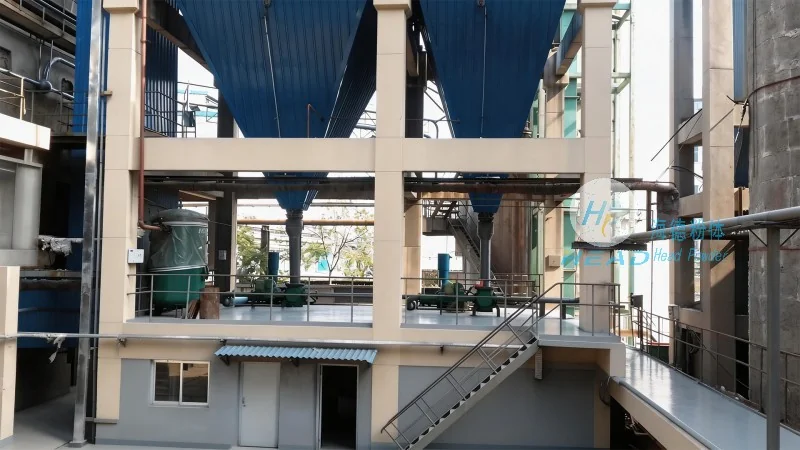
The oxidized iron pneumatic conveying system consists of several critical components, each playing a vital role in the overall operation. The primary components include the material hopper, which stores the oxidized iron; the air compressor, responsible for generating the necessary air pressure; the conveying line, where the material is transported; and the receiver, which collects the material at the destination. Additionally, the system may incorporate a filter system to remove dust and particles from the air, ensuring compliance with environmental regulations and maintaining equipment longevity. The material hopper is designed with a sloped bottom to facilitate smooth material flow, while the air compressor is selected based on the required air volume and pressure to handle the specific characteristics of oxidized iron, such as its density and particle size. The conveying line is typically made of durable materials like stainless steel or plastic to withstand the abrasive nature of oxidized iron and resist corrosion.
Working Principle of the Conveying Process
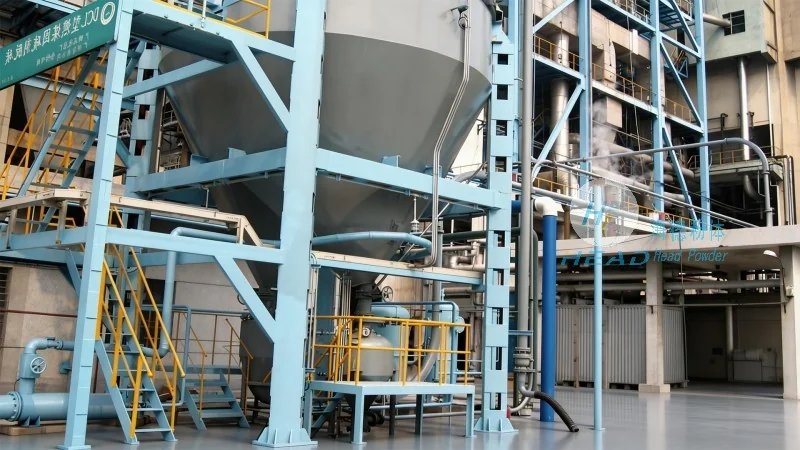
The operation of the oxidized iron pneumatic conveying system follows a systematic process. Initially, the oxidized iron is fed into the material hopper. The air compressor then generates a high-pressure air stream, which is introduced into the conveying line. As the air flows through the line, it creates a low-pressure zone that draws the oxidized iron particles into the air stream. This mixture of air and material is then transported to the receiver, where the air is separated from the material, typically through a cyclone or bag filter. The separated air is then discharged, while the oxidized iron is collected in the receiver. The system’s efficiency depends on the balance between air pressure and material flow, ensuring that the material is conveyed without clogging or excessive pressure loss. Proper maintenance of the air compressor and filter system is essential to prevent performance degradation and maintain the system’s reliability. The control system, often integrated with sensors, monitors pressure, flow rate, and material level, providing real-time feedback to optimize operation.
Advantages of Oxidized Iron Pneumatic Conveying Systems
Implementing an oxidized iron pneumatic conveying system offers numerous advantages over traditional mechanical conveying methods. One of the key benefits is the reduction in equipment wear and tear, as there are no moving parts in direct contact with the material. This leads to lower maintenance costs and longer equipment lifespan. Additionally, the system provides a clean and dust-free environment, which is particularly important in industries where hygiene and product purity are critical. The ability to transport oxidized iron over long distances without the need for intermediate storage or handling points enhances operational efficiency. Furthermore, the system’s flexibility allows for easy integration with existing production lines, minimizing disruption during installation and operation. The consistent flow rate and pressure control also contribute to improved product quality and reduced waste. HeadPowder, with its expertise in material handling solutions, ensures that these advantages are realized through well-engineered systems that meet industry standards.
Application Scenarios and Industry Impact
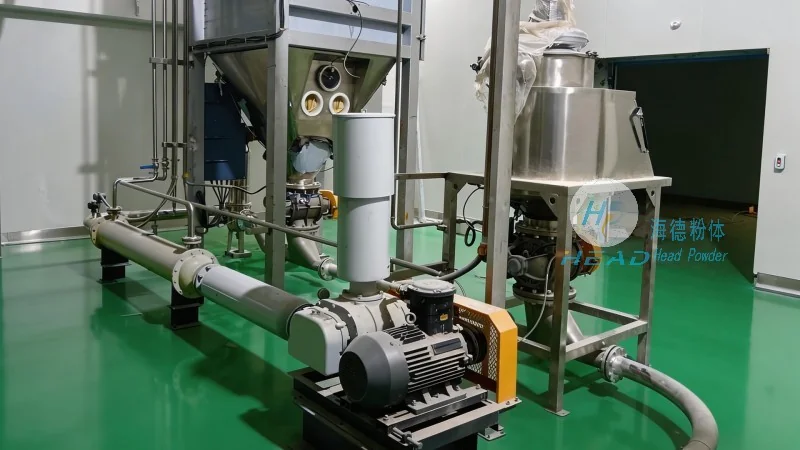
Oxidized iron pneumatic conveying systems are widely used in various industrial sectors, including steel production, chemical manufacturing, and mining. In steel production, these systems are essential for transporting oxidized iron from storage facilities to furnaces, ensuring a continuous supply of raw material. In chemical plants, the system is used to move oxidized iron for processing into other compounds, such as iron oxides used in pigments and coatings. The mining industry also benefits from this technology, as it allows for the efficient transport of oxidized iron from ore processing facilities to storage or shipping points. The reliability and efficiency of the system have a significant impact on overall production throughput, reducing downtime and increasing productivity. By optimizing material handling processes, industries can achieve cost savings and improve their competitive edge in the market. The use of such systems in these industries reflects the growing demand for sustainable and efficient material transport solutions.
Conclusion and Future Developments
In conclusion, the oxidized iron pneumatic conveying system is a sophisticated and efficient solution for bulk material handling. By understanding its core components, working principles, and advantages, industries can make informed decisions about implementing this technology. The system’s ability to handle oxidized iron with minimal wear and environmental impact makes it a preferred choice for modern industrial applications. As technology advances, future developments may include more energy-efficient air compressors, advanced filter systems, and automated control mechanisms to further enhance the system’s performance. The continued innovation in pneumatic conveying systems will likely lead to even more efficient and sustainable material handling solutions, benefiting industries worldwide. Shandong HeadPowder Engineering Co., Ltd. remains at the forefront of this technology, providing tailored solutions that meet the evolving needs of the industry.




