Silica aerogel, a lightweight and porous material derived from diatomaceous earth, is widely used in various industrial applications such as insulation, filtration, and catalyst supports. The efficient and reliable transport of this fine powder is crucial for optimizing production processes. Pneumatic conveying systems offer a non-contact method to move silica aerogel, eliminating the need for mechanical components that could cause contamination or damage to the delicate material. This article provides a detailed comparison between positive pressure and negative pressure pneumatic conveying methods, focusing on their applications, advantages, and limitations in the context of silica aerogel handling.
Positive Pressure Conveying: Working Principle and Characteristics
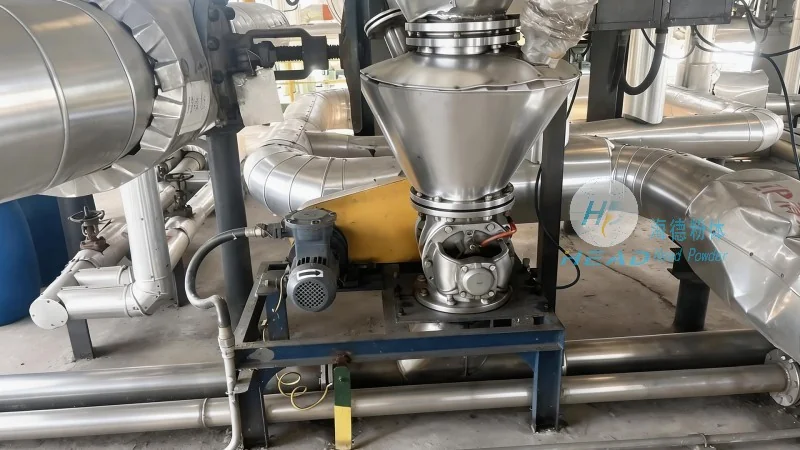
Positive pressure conveying operates by blowing air or a carrier gas into the conveying line, creating a pressure higher than the ambient air pressure. The material is fed into the system and is carried by the moving air stream. This method is particularly effective for conveying materials over long distances or through complex piping networks. The primary advantages of positive pressure systems include high conveying capacity, ability to handle abrasive or corrosive materials, and the option to integrate with existing industrial air systems. For silica aerogel, positive pressure conveying can be advantageous when dealing with large volumes of material or when the material needs to be transported to multiple destinations from a central source. The system typically consists of a blower, a hopper for material feeding, and a series of pipes with appropriate valves and filters to ensure clean and efficient transport.
Negative Pressure Conveying: Working Principle and Characteristics
Negative pressure conveying, also known as suction conveying, works by creating a vacuum in the conveying line, drawing the material into the system. The material is fed into the inlet, and the vacuum pulls it through the pipes. This method is often preferred for applications where the material is to be collected from multiple points or where the material is sensitive to pressure changes. The key benefits of negative pressure systems include lower noise levels, reduced risk of dust emissions, and the ability to handle fine powders without causing excessive wear on components. For silica aerogel, negative pressure conveying may be suitable when the material is to be collected from a dispersed source or when the system needs to operate in a cleanroom environment where dust control is critical. The system typically includes a vacuum pump, a collection hopper, and a filter to prevent material loss and maintain air quality.
Comparative Analysis: Positive vs. Negative Pressure Conveying
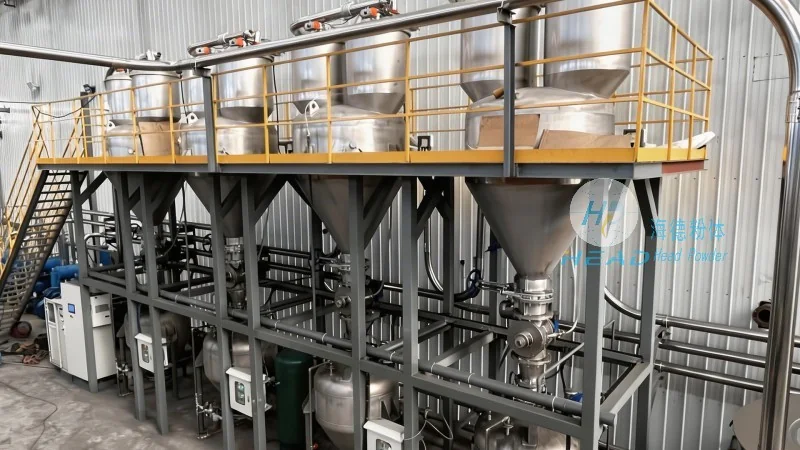
When selecting between positive and negative pressure pneumatic conveying for silica aerogel, several factors must be considered. The choice depends on the specific application requirements, material properties, and operational constraints. Positive pressure systems generally offer higher conveying rates and are more suitable for long-distance transport, while negative pressure systems excel in dust control and handling fine powders. From an energy perspective, positive pressure systems may consume more power due to the need to generate higher air pressure, whereas negative pressure systems can be more energy-efficient as they rely on the vacuum created by the pump. Maintenance considerations also differ: positive pressure systems may require more frequent filter changes due to the higher volume of air and material passing through, while negative pressure systems might need more attention to the vacuum pump and its seals to prevent air leaks. In terms of cost, initial investment for positive pressure systems can be higher due to the need for robust blower units and larger piping, whereas negative pressure systems may have lower upfront costs but potentially higher operational costs for vacuum maintenance.
Application Scenarios and Practical Considerations
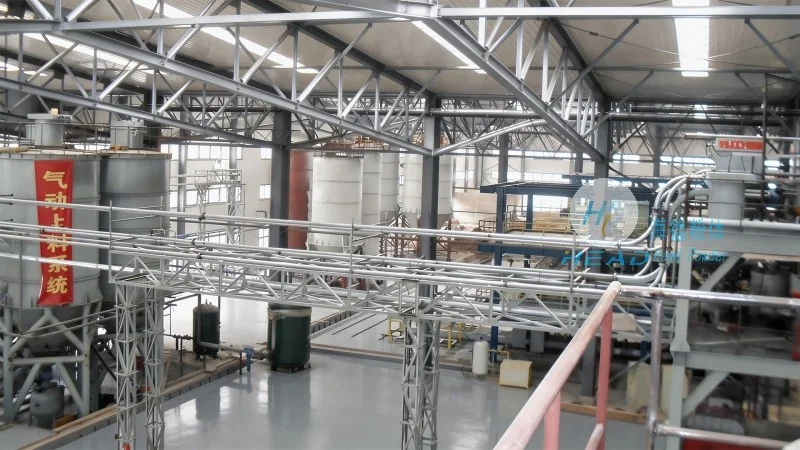
The optimal choice between positive and negative pressure conveying for silica aerogel often hinges on the specific production environment and material handling needs. For example, in a large-scale industrial plant where silica aerogel is produced and then distributed to multiple processing units, a positive pressure system might be preferred to ensure consistent and high-volume transport. Conversely, in a laboratory or a cleanroom setting where the material is collected from various small sources and requires strict dust control, a negative pressure system could be more appropriate. The design of the conveying system must also account for the particle size and density of the silica aerogel, as these properties affect the air velocity required for efficient transport. Proper sizing of the blower or vacuum pump, along with the selection of appropriate pipe diameters and material (e.g., stainless steel to prevent corrosion), are critical to ensuring reliable operation. Additionally, the inclusion of filters and cyclones in both systems is essential to prevent material buildup and maintain air quality, which is particularly important for silica aerogel due to its fine particle size and potential for clogging.
Conclusion and Recommendations
Both positive pressure and negative pressure pneumatic conveying methods offer viable solutions for transporting silica aerogel, each with its own set of advantages and limitations. The selection should be based on a thorough evaluation of the application's specific requirements, including material volume, distance, environmental constraints, and operational costs. Positive pressure systems are generally more suitable for high-volume, long-distance transport, while negative pressure systems excel in dust control and handling fine powders in clean environments. Companies such as Shandong HeadPowder Engineering Co., Ltd., based in China, specialize in designing and implementing customized pneumatic conveying solutions tailored to the unique needs of silica aerogel processing. By carefully assessing the operational parameters and material characteristics, industries can choose the most efficient and cost-effective conveying method to enhance their production processes and ensure the quality of the final product.




