When it comes to the efficient handling and transportation of sodium stearate, selecting the right pneumatic conveying method is crucial for optimizing operational efficiency and ensuring product integrity. Two primary approaches are widely used in industrial applications: positive pressure conveying and negative pressure conveying. This article provides a detailed comparison of these two methods, highlighting their characteristics, advantages, and practical applications, with a focus on how they impact the handling of sodium stearate in industrial settings.
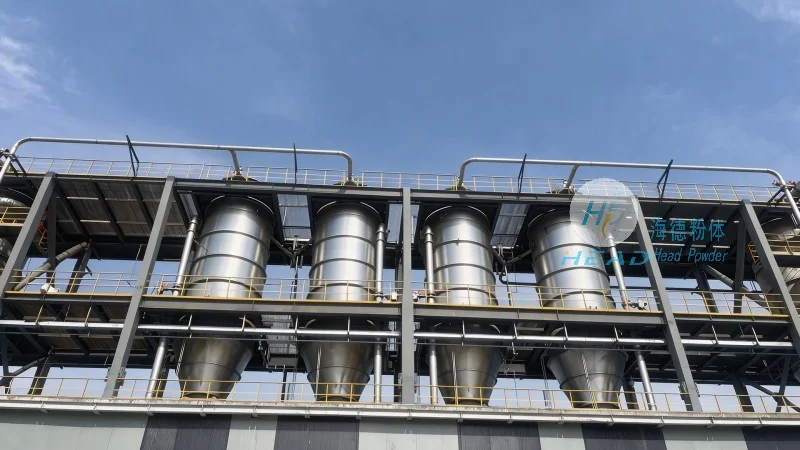
Introduction to Pneumatic Conveying Methods
Pneumatic conveying is a technology that uses air or gas to transport bulk materials through a pipeline system. It is particularly effective for handling powders and granules like sodium stearate, which are often sensitive to moisture and require careful handling to maintain their quality. The two main types of pneumatic conveying systems are positive pressure and negative pressure systems, each with distinct operational principles and suitability for different scenarios.
Positive Pressure Conveying: Advantages and Applications
Positive pressure conveying operates by blowing air or gas into the conveying line, creating a pressure higher than the ambient air pressure. This method is often preferred for handling sodium stearate due to several key advantages. First, it provides excellent control over the flow rate and pressure, allowing for precise regulation of the material's movement through the pipeline. This is particularly beneficial when dealing with sensitive materials like sodium stearate, as it minimizes the risk of product degradation or agglomeration. Second, positive pressure systems are generally more suitable for long-distance or high-velocity conveying, as the pressurized air can effectively transport materials over greater distances without significant pressure loss. The continuous flow of air also helps to keep the material suspended and prevents clogging in the pipeline.
In terms of applications, positive pressure conveying is commonly used in industries where sodium stearate is processed as a bulk material, such as in the production of detergents, cosmetics, and pharmaceuticals. For example, in a detergent manufacturing plant, sodium stearate may need to be transported from storage silos to mixing tanks over a distance of several hundred meters. A positive pressure system can efficiently handle this task, ensuring that the material is delivered to the mixing area without any loss of quality or moisture.
Negative Pressure Conveying: Characteristics and Use Cases
Negative pressure conveying, on the other hand, works by creating a vacuum in the conveying line, which draws the material into the system. This method is often referred to as suction conveying and is typically used for shorter distances or when the material is to be collected from a source that is difficult to access. The primary advantage of negative pressure systems is their ability to handle materials that are prone to dust or fine particles, as the vacuum helps to capture and transport these particles without generating excessive dust. Additionally, negative pressure conveying is generally more cost-effective for shorter runs, as it requires less energy compared to positive pressure systems.
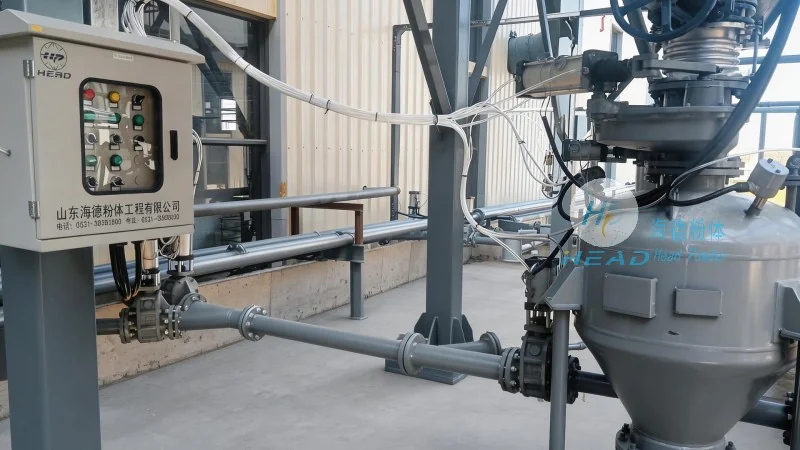
However, negative pressure conveying has some limitations when applied to sodium stearate. The vacuum created in the system can sometimes lead to the formation of static electricity, which may affect the material's flow characteristics or cause issues with product handling. Furthermore, the system is more susceptible to clogging if the material contains large particles or agglomerates, as the suction force may not be sufficient to move them through the pipeline. Therefore, negative pressure conveying is often used in applications where the distance is short and the material is relatively dry and free of large particles.
Comparison of Positive and Negative Pressure Conveying for Sodium Stearate
When comparing positive and negative pressure conveying for sodium stearate, several factors need to be considered. The choice between the two methods depends on the specific requirements of the application, including the distance to be covered, the material's properties, and the operational constraints of the facility. Positive pressure conveying is generally more suitable for long-distance or high-velocity applications, as it provides better control over the flow and pressure, reducing the risk of product degradation. It is also more effective in handling materials that are prone to agglomeration or moisture sensitivity, as the pressurized air helps to keep the particles suspended and prevents clogging.
On the other hand, negative pressure conveying is more appropriate for shorter distances or when the material is to be collected from a source that is difficult to access, such as a hopper or a storage bin. It is also more cost-effective for these applications, as it requires less energy and simpler equipment. However, negative pressure systems are less effective in handling materials that are prone to dust or fine particles, as the vacuum may not be sufficient to capture all particles, leading to loss of material or increased dust generation.
Factors Influencing the Choice of Conveying Method
The decision to use positive or negative pressure conveying for sodium stearate is influenced by several key factors. The first factor is the distance between the source and the destination of the material. For long distances, positive pressure conveying is typically preferred due to its ability to maintain pressure and flow over longer periods. For short distances, negative pressure conveying may be more suitable due to its lower cost and simpler operation.
The second factor is the properties of the sodium stearate itself. If the material is prone to agglomeration or moisture sensitivity, positive pressure conveying is often the better choice, as the pressurized air helps to prevent these issues. If the material is relatively dry and free of large particles, negative pressure conveying may be sufficient. The third factor is the operational constraints of the facility, such as the available space, energy costs, and maintenance requirements. Positive pressure systems generally require more energy and maintenance, while negative pressure systems are more cost-effective but may require more frequent cleaning to prevent clogging.
Conclusion: Selecting the Right Conveying Method for Sodium Stearate
Choosing between positive and negative pressure conveying for sodium stearate requires a careful evaluation of the specific application requirements. Positive pressure conveying offers better control over flow and pressure, making it suitable for long-distance or high-velocity applications, especially when dealing with sensitive materials like sodium stearate. Negative pressure conveying, while more cost-effective for shorter distances, is less suitable for handling materials that are prone to dust or fine particles. Ultimately, the optimal choice depends on the balance between operational efficiency, cost, and the specific characteristics of the sodium stearate being handled.
Shandong HeadPowder Engineering Co., Ltd., a leading provider of industrial conveying solutions, specializes in designing and implementing pneumatic conveying systems tailored to the needs of various industries. With years of experience in handling bulk materials like sodium stearate, the company offers expert advice and customized solutions to ensure efficient and reliable material transportation. Based in Shandong, China, HeadPowder Engineering Co., Ltd. combines advanced technology with practical expertise to deliver high-quality conveying systems that meet the demands of modern industrial applications.




