

How to Prevent Pipeline Blockages in Pneumatic Conveying Systems for Iron Powder? What Are the Key D
When it comes to transporting iron powder using pneumatic conveying systems, preventing pipeline blockages is a critical challenge that can significantly impact operational efficiency and product quality. The design of the system plays a pivotal role in ensuring smooth and uninterrupted material flow. In this article, we will explore the key design parameters that contribute to effective iron powder handling and how to mitigate the risk of blockages.
Understanding the Risks of Blockages in Iron Powder Conveying
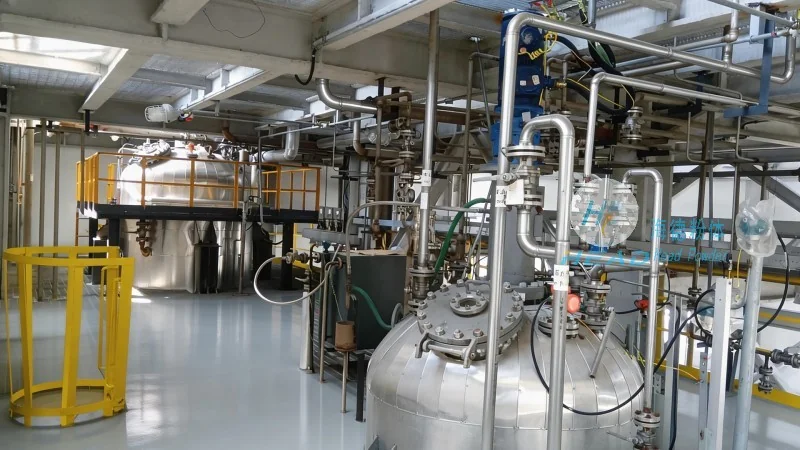
Iron powder, with its fine particle size and cohesive properties, is prone to agglomeration and sticking to pipe walls. This can lead to partial or complete blockages, causing system downtime and increased maintenance costs. The primary causes of blockages include high moisture content, improper air velocity, and inadequate system design. By addressing these factors through careful selection of design parameters, operators can minimize the risk of such issues.
Key Design Parameters for Preventing Blockages
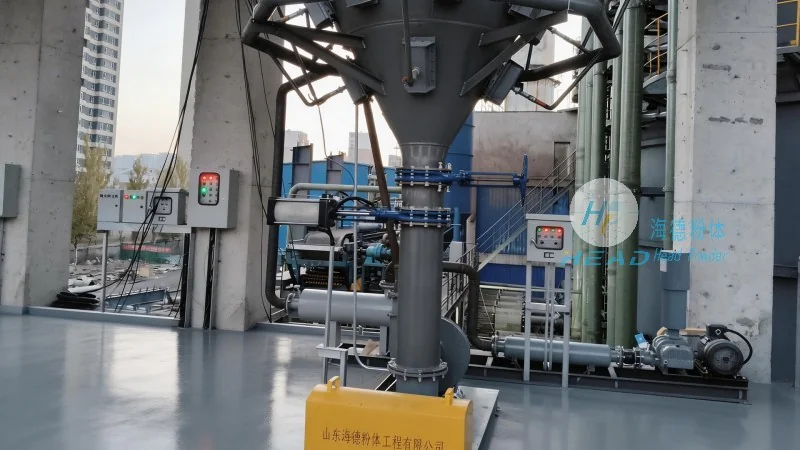
Several critical design parameters must be considered when designing a pneumatic conveying system for iron powder. These parameters directly influence the system's ability to maintain consistent material flow and prevent blockages. The most important factors include:
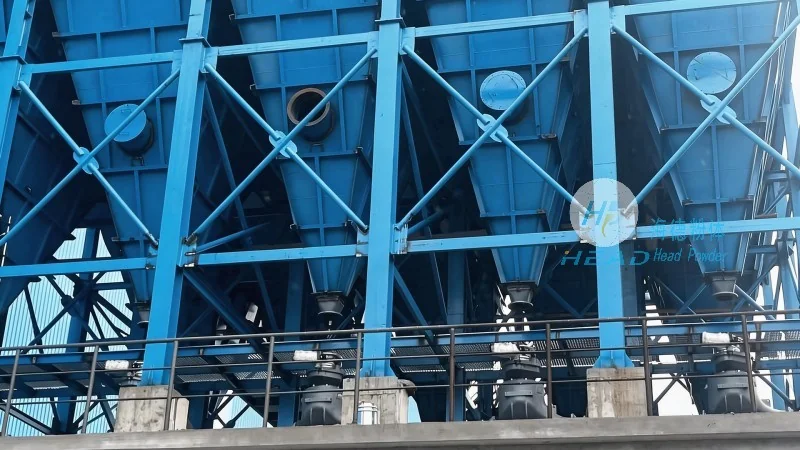
- Air Velocity and Flow Rate: Maintaining an optimal air velocity is essential to prevent particle deposition and ensure complete suspension of iron powder particles. The flow rate must be sufficient to keep particles in motion without causing excessive pressure drops or energy consumption.
- System Pressure and Pressure Drop: The pressure within the conveying system must be carefully managed to avoid excessive stress on the material and the pipeline. Proper pressure control helps maintain consistent flow and reduces the likelihood of particle accumulation.
- Particle Size and Distribution: The size and distribution of iron powder particles are crucial. Smaller particles are more likely to cause blockages due to their higher surface area and tendency to agglomerate. Ensuring a uniform particle size distribution can improve system performance and reduce blockage risks.
- Moisture Content: Controlling moisture levels in the iron powder is vital. Excess moisture can lead to clumping and increased friction between particles and the pipe walls. Drying the material before conveying can significantly improve flow characteristics and prevent blockages.
- System Layout and Pipeline Design: The layout of the conveying system, including the angle of the pipelines and the presence of bends or elbows, affects the flow of iron powder. Properly designed pipelines with minimal changes in direction and sufficient diameter can reduce the risk of particle deposition and blockages.
Role of HeadPowder in Designing Effective Conveying Systems
Shandong HeadPowder Engineering Co., Ltd., a leading provider of pneumatic conveying solutions, specializes in designing systems tailored to the unique challenges of iron powder handling. With years of experience in the industry, HeadPowder employs advanced engineering principles to address the specific needs of clients. The company's expertise lies in optimizing design parameters to ensure efficient, reliable, and blockage-free operation of pneumatic conveying systems for iron powder.
Conclusion: Ensuring Smooth Operation with Proper Design
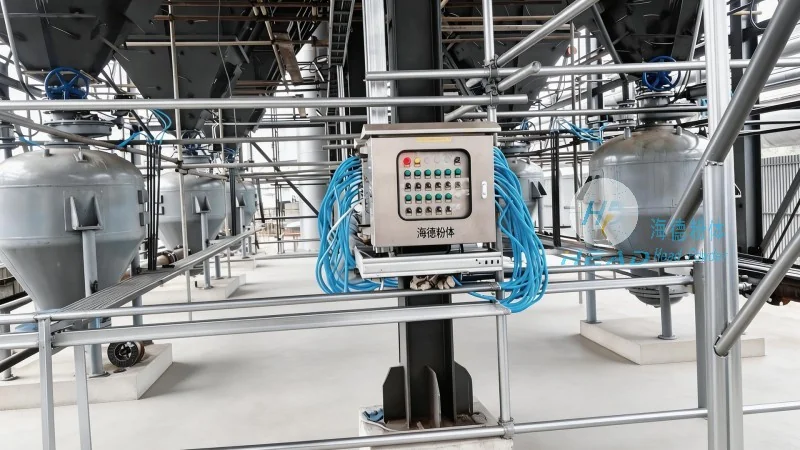
Preventing pipeline blockages in pneumatic conveying systems for iron powder requires a comprehensive approach that considers multiple design parameters. By focusing on air velocity, pressure management, particle characteristics, moisture control, and system layout, operators can significantly reduce the risk of blockages and improve overall system performance. Companies like Shandong HeadPowder Engineering Co., Ltd. play a crucial role in providing expert guidance and tailored solutions to meet these challenges, ensuring that iron powder is transported safely and efficiently.