HeadPowder, a leading manufacturer based in Shandong, China, specializes in the design and production of advanced pneumatic conveying systems tailored for handling bulk materials like rice husk. This article provides an in-depth exploration of the structure and operational principles of such equipment, offering insights into how these systems efficiently transport fine powders and granular materials.
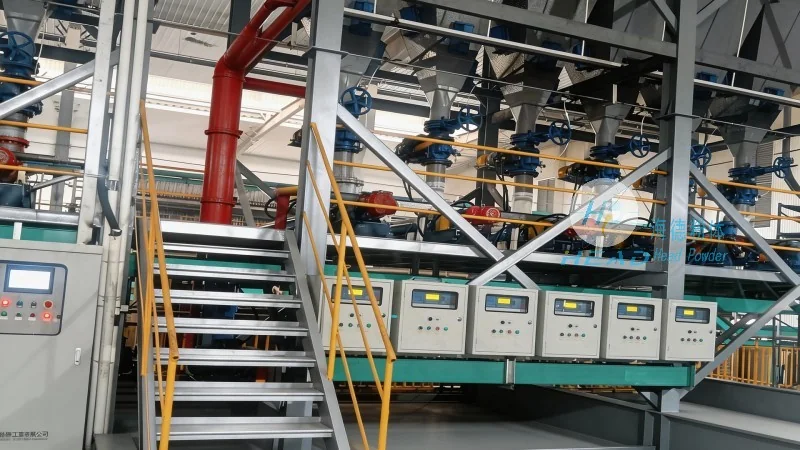
Understanding Pneumatic Conveying Systems for Rice Husk
Pneumatic conveying, also known as air conveying, is a method of transporting bulk materials through a pipeline using a flow of pressurized or suction air. For rice husk, which is a byproduct of rice processing and often used as a biofuel or raw material in various industries, efficient handling is crucial. The equipment designed for this purpose combines mechanical components with air dynamics to ensure safe, reliable, and cost-effective material transport.
Key Components of the Pneumatic Conveying System
The core structure of a rice husk pneumatic conveying system typically includes several essential components, each playing a vital role in the overall operation. These components work in synergy to ensure the smooth movement of the material from the source to the destination.
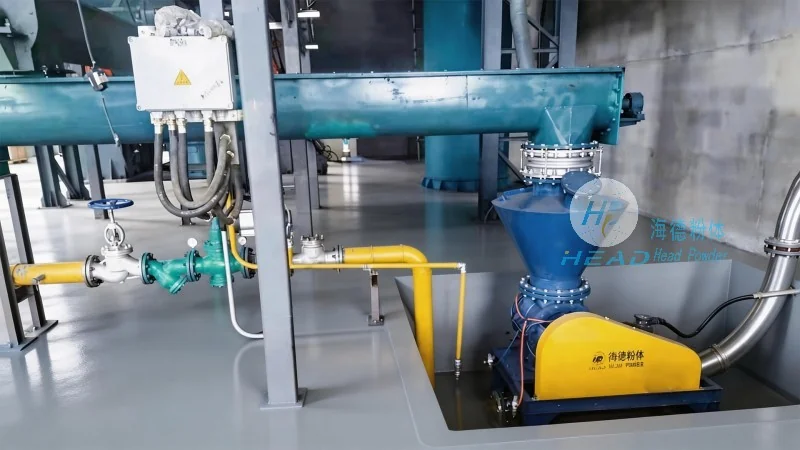
- Feeding Unit: This is the initial stage where rice husk is introduced into the system. It may include hoppers, feeders, or rotary valves that control the flow rate and ensure a consistent feed of material into the pipeline.
- Pneumatic Conveying Pipeline: The pipeline serves as the main channel for transporting the rice husk. It is usually made of materials like stainless steel or plastic, chosen for their durability and resistance to corrosion from the material and air.
- Blower or Fan: The heart of the system, the blower or fan generates the necessary air pressure or suction to move the material through the pipeline. The selection of the blower depends on the material's properties, such as particle size, density, and moisture content, as well as the required conveying distance and flow rate.
- Separation and Collection Equipment: At the end of the pipeline, the rice husk is separated from the air. This is typically achieved using cyclone separators or bag filters, which collect the material and return the air to the system or release it to the atmosphere.
Operational Principles and Working Mechanism
The operation of a rice husk pneumatic conveying system follows a systematic process. When the feeding unit introduces rice husk into the pipeline, the blower creates a pressure differential. This differential causes the air to flow through the pipeline, carrying the rice husk particles along with it. The air velocity is carefully controlled to ensure that the material is suspended and transported without clogging or damage.
As the mixture travels through the pipeline, it reaches the separation unit. Here, the air and material are separated due to differences in density and particle size. The air is discharged, while the rice husk is collected and directed to the final storage or processing location. The system is designed to maintain a consistent flow, minimizing energy consumption and maximizing efficiency.
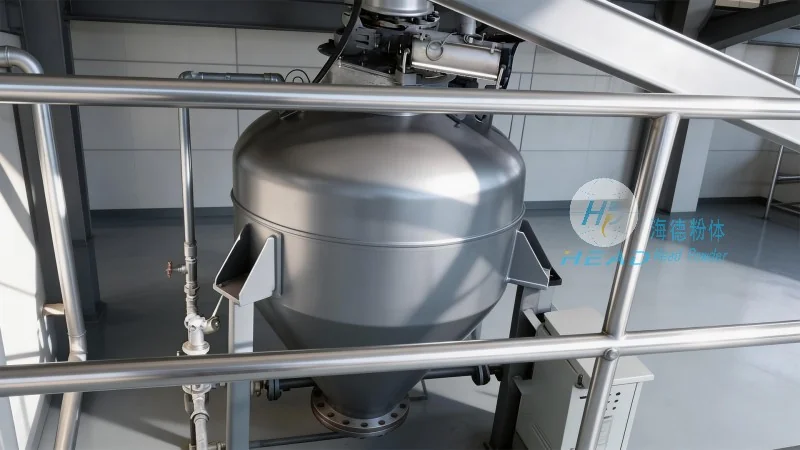
Advantages of Pneumatic Conveying for Rice Husk
Compared to traditional methods like belt conveyors or bucket elevators, pneumatic conveying offers several advantages for handling rice husk. These include:
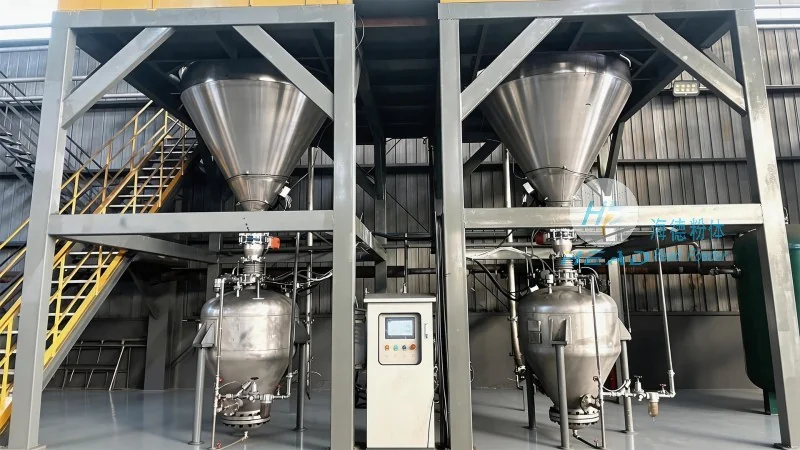
- Reduced Material Damage: The gentle handling of the material through the pipeline minimizes breakage or degradation, preserving the quality of the rice husk.
- Space Efficiency: The system can be installed in confined spaces, as the pipeline can be routed horizontally or vertically as needed.
- Low Maintenance: With fewer moving parts compared to mechanical conveyors, the pneumatic system requires less maintenance and has a longer service life.
- Versatility: It can handle a wide range of material types and sizes, making it suitable for various applications in the agricultural and industrial sectors.
Applications in the Industry
Rice husk pneumatic conveying systems are widely used in several industries. In the biofuel sector, they are employed to transport rice husk to biomass power plants or pelletizing facilities. In the manufacturing industry, they are used to feed raw materials into processing equipment, such as boilers or reactors. The efficiency and reliability of these systems make them an ideal choice for continuous material handling operations.
Conclusion
HeadPowder Engineering Co., Ltd., based in Shandong, China, provides high-quality pneumatic conveying equipment specifically designed for rice husk and other fine powders. By understanding the structure and operational principles of these systems, users can make informed decisions about their material handling needs. The advanced technology and robust design of HeadPowder's equipment ensure efficient, safe, and cost-effective transport of rice husk, contributing to the overall productivity and sustainability of industrial processes.




