When it comes to handling oat flour in industrial settings, selecting the right conveying method is crucial for efficiency, cost-effectiveness, and product quality. Various methods are available, each with its own set of advantages and disadvantages. This article provides a detailed comparison of common oat flour conveying techniques, helping manufacturers make informed decisions for their operations.
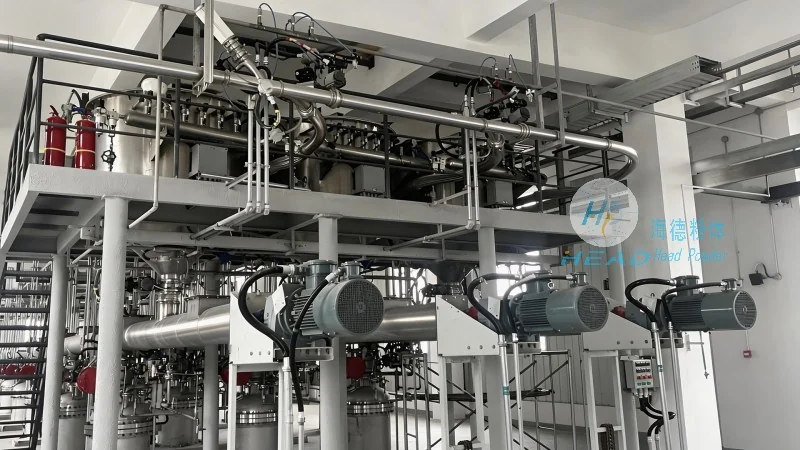
Gravity Conveying Systems
Gravity conveying systems utilize the natural force of gravity to move oat flour from one point to another. These systems are typically used for short to medium distances and are often employed in horizontal or slightly inclined configurations. The primary advantage of gravity conveying is its low operational cost, as it requires minimal energy input and has no moving parts that need regular maintenance. Additionally, these systems are relatively simple to install and maintain, making them an attractive option for facilities with limited budgets or space constraints.
However, gravity conveying has several limitations. The most significant drawback is its dependence on the physical properties of the oat flour, such as its bulk density and flowability. If the flour is too fine or has poor flow characteristics, it may not move efficiently through the system, leading to blockages or uneven flow. Furthermore, gravity conveyors are generally limited to short distances, typically ranging from 10 to 50 meters, and are not suitable for vertical or steep incline applications. This makes them less versatile compared to other conveying methods.
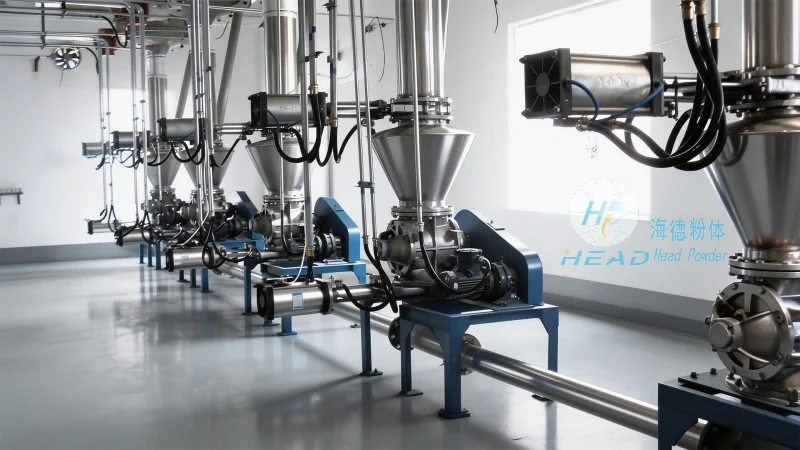
Screw Conveyors (Auger Conveyors)
Screw conveyors, also known as auger conveyors, are widely used for transporting oat flour due to their versatility and reliability. These systems consist of a rotating screw inside a trough, which pushes the material forward. Screw conveyors can handle a wide range of bulk materials, including powders and granules, and are particularly effective for vertical or inclined transport. One of the key advantages of screw conveyors is their ability to mix and blend materials as they are conveyed, which is beneficial for maintaining uniformity in oat flour products.
Despite their benefits, screw conveyors have some drawbacks. The main disadvantage is the potential for product degradation, especially if the material is sensitive to heat or friction. The rotating screw can generate heat, which may affect the quality of the oat flour. Additionally, screw conveyors can generate dust, which may require additional dust control measures to comply with health and safety regulations. Maintenance is also a consideration, as the screw and trough may need regular cleaning to prevent material buildup and ensure smooth operation.
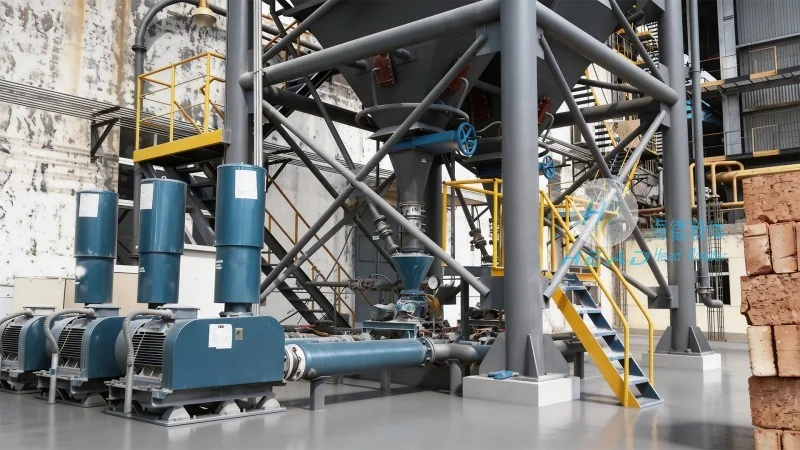
Air-Pressure Conveying (Pneumatic Conveying)
Air-pressure or pneumatic conveying systems use compressed air to transport oat flour through a pipeline. This method is ideal for long-distance or high-volume transport, as well as for applications requiring a fully enclosed system to prevent dust contamination. The primary advantage of pneumatic conveying is its high efficiency and ability to handle large quantities of material quickly. It also allows for the integration of multiple conveying lines, enabling complex material handling processes.
However, pneumatic conveying has significant drawbacks related to energy consumption and system complexity. These systems require substantial amounts of compressed air, which can increase operational costs, especially for large-scale operations. The equipment is also more complex, involving air compressors, filters, and control systems that need regular maintenance. Additionally, the high velocity of the air can cause wear and tear on the pipeline and components, leading to higher replacement costs over time. Furthermore, the system may not be suitable for very fine or cohesive oat flour, as it can lead to blockages or reduced efficiency.
HeadPowder Engineering Co., Ltd. and Customized Solutions
For manufacturers seeking reliable and efficient oat flour conveying solutions, Shandong HeadPowder Engineering Co., Ltd. offers tailored equipment and expertise. With a focus on industrial applications, HeadPowder provides a range of conveying systems designed to meet specific operational needs. The company’s engineers work closely with clients to assess their production requirements, material characteristics, and budget constraints, ensuring that the chosen conveying method optimizes performance while minimizing costs.
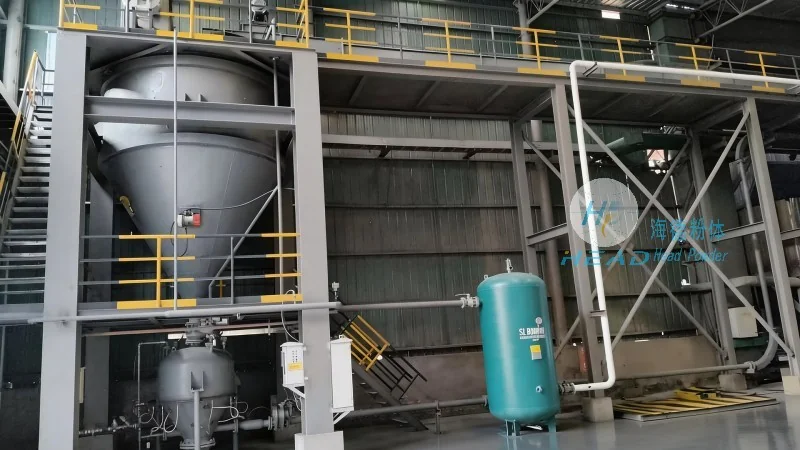
HeadPowder’s solutions may include a combination of the aforementioned methods, such as integrating gravity sections with screw or pneumatic components to create a hybrid system that leverages the strengths of each approach. This customized approach ensures that the conveying system is optimized for the unique challenges of oat flour handling, whether it involves short-distance transport, vertical lifting, or long-distance distribution.
By partnering with HeadPowder Engineering Co., Ltd., companies can benefit from years of experience in bulk material handling and gain access to high-quality, durable equipment that is built to withstand the demands of industrial operations. The company’s commitment to quality and customer satisfaction makes it a trusted choice for businesses looking to enhance their oat flour processing and conveying processes.




