Efficient material handling is a critical concern for industries dealing with powdered products, particularly in the food sector where maintaining product quality and preventing contamination is paramount. For oat flour manufacturers, the challenge of safely and effectively transporting this fine, particulate material from one location to another without degradation or loss has long been a key operational consideration. This is where pneumatic conveying systems, specifically designed for handling delicate powders like oat flour, offer a superior solution. HeadPowder, a leading provider of specialized engineering solutions, specializes in the design, manufacturing, and implementation of air-based conveying systems tailored to the unique needs of the food processing industry.
Understanding Pneumatic Conveying for Oat Flour
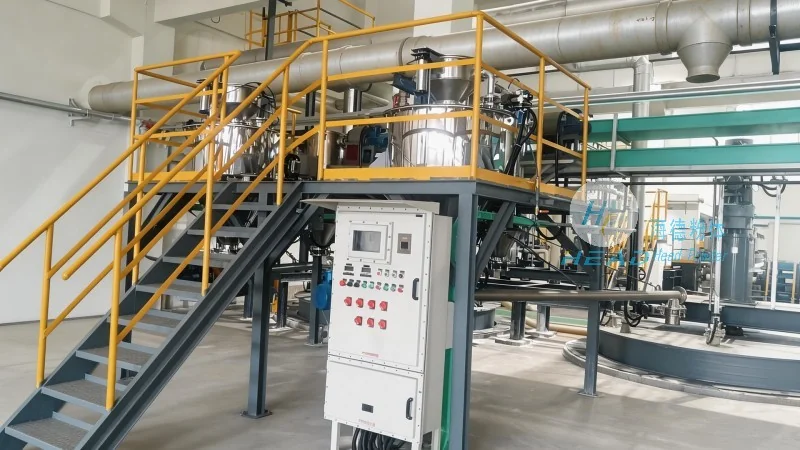
Pneumatic conveying, also known as air conveying, utilizes pressurized or vacuum air to transport bulk materials, such as oat flour, through a network of pipes. Unlike traditional mechanical methods like belt conveyors or screw conveyors, which can cause particle attrition, contamination, or segregation, pneumatic systems provide a closed, sanitary environment that preserves the integrity of the product. The process involves creating a flow of air that lifts and propels the powder particles through the system, ensuring minimal contact with external surfaces and reducing the risk of contamination from dust or foreign particles. This method is particularly advantageous for oat flour, which is sensitive to moisture and can easily clump or degrade under mechanical stress.
The Advantages of Air Pneumatic Conveying for Oat Flour
Implementing an air pneumatic conveying system for oat flour offers several key benefits that enhance operational efficiency and product quality. First, it provides a hygienic and closed system, which is essential for food-grade products. The enclosed pipes prevent exposure to airborne contaminants, ensuring that the oat flour remains clean and free from microbial or chemical pollutants. Second, pneumatic conveying minimizes product degradation. Unlike mechanical conveyors that can cause friction and particle breakage, air systems gently move the material, preserving the natural texture and nutritional value of the oat flour. This is crucial for maintaining the product's quality and marketability. Third, the system offers flexibility in layout and can be easily integrated into existing production lines. Whether transporting oat flour from storage silos to processing equipment or between different stages of production, the flexible piping can be configured to suit the specific layout of the facility. Additionally, pneumatic conveying reduces labor costs by automating the material handling process, allowing for continuous operation without the need for manual intervention. The system's ability to handle varying flow rates and material loads also ensures consistent performance, even during peak production periods.
Key Components of an Oat Flour Pneumatic Conveying System
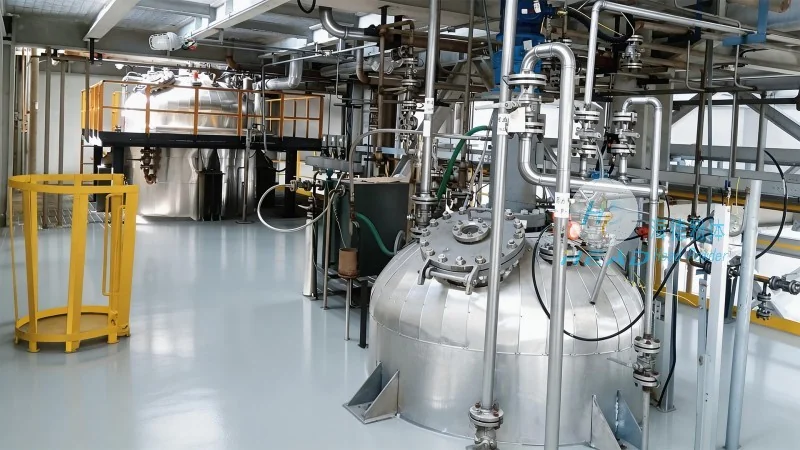
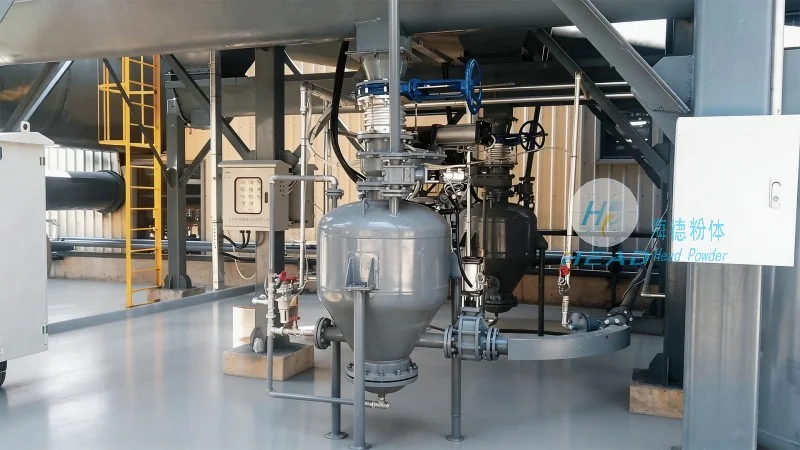
An effective pneumatic conveying system for oat flour consists of several critical components that work in tandem to ensure efficient and reliable operation. The primary components include the air compressor or vacuum pump, which generates the necessary pressure or vacuum to move the material. The system also features a hopper or feeder that feeds the oat flour into the conveying line, ensuring a consistent flow of material. The pipeline network, made from materials such as stainless steel or food-grade plastic, transports the powder from the source to the destination. At the receiving end, a separator or cyclone is used to separate the material from the air stream, allowing the oat flour to be deposited in the desired location. A filter system is also essential to capture any fine particles and prevent them from being released into the environment, maintaining air quality and compliance with environmental regulations. Each component is carefully selected and designed to meet the specific requirements of oat flour, ensuring that the system operates efficiently and safely.
Design Considerations for Optimal Oat Flour Conveying
Designing an optimal pneumatic conveying system for oat flour requires careful consideration of several factors to ensure maximum efficiency and minimal downtime. The first consideration is the material's properties, such as its particle size, density, and moisture content. Oat flour typically has a fine particle size, which can affect the air velocity required for effective transport. The system must be designed to maintain an appropriate air velocity to prevent particle deposition or blockages in the pipes. The second factor is the system's capacity, which must be matched to the production rate of the oat flour. An underdesigned system may lead to bottlenecks, while an overdesigned system may result in unnecessary energy consumption. The third consideration is the layout of the facility, as the piping network must be arranged to minimize the distance between the source and destination while avoiding obstacles and ensuring smooth material flow. Additionally, the system must be designed with easy access points for maintenance and cleaning, as regular maintenance is crucial to prevent system failures and ensure long-term reliability. HeadPowder's engineering team specializes in customizing pneumatic conveying systems to meet these specific design requirements, ensuring that the system is optimized for the unique characteristics of oat flour and the operational needs of the client.
Implementing a Pneumatic Conveying Solution with HeadPowder
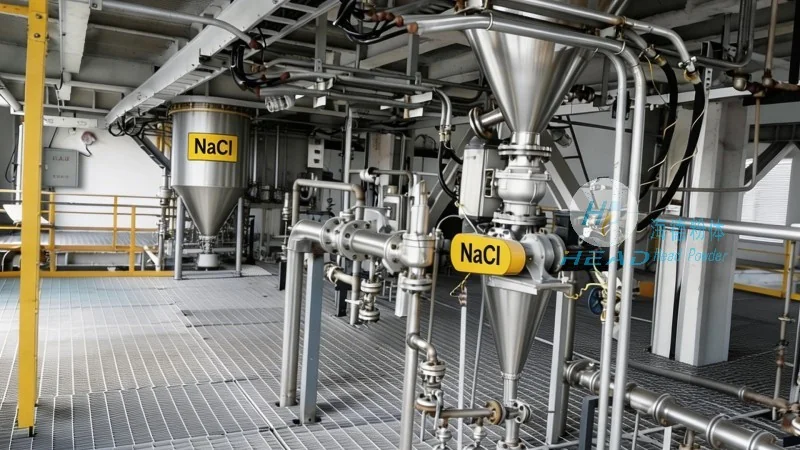
For oat flour manufacturers seeking to enhance their material handling capabilities, partnering with a specialized engineering company like HeadPowder can provide the expertise and solutions needed to implement an effective pneumatic conveying system. HeadPowder, based in Shandong, China, is a leading provider of customized engineering solutions for the food processing industry. With years of experience in designing and manufacturing pneumatic conveying systems, HeadPowder understands the unique challenges of handling delicate powders like oat flour and offers tailored solutions that address these challenges. The company's team of engineers works closely with clients to assess their specific needs, including production volume, facility layout, and product specifications, to design a system that meets their operational requirements. HeadPowder's systems are built with high-quality materials and components, ensuring durability and reliability. The company also provides comprehensive support, including installation, training, and maintenance services, to ensure that the system operates efficiently and effectively. By choosing HeadPowder as a partner, oat flour manufacturers can benefit from a reliable and efficient pneumatic conveying system that enhances their operational efficiency, maintains product quality, and reduces costs.
Conclusion: The Future of Oat Flour Handling with Pneumatic Conveying
As the food processing industry continues to evolve, the demand for efficient and hygienic material handling solutions remains high. For oat flour manufacturers, pneumatic conveying offers a superior method for transporting their products, providing a closed, sanitary system that preserves product quality and minimizes contamination. With the expertise and solutions provided by companies like HeadPowder, oat flour manufacturers can implement effective pneumatic conveying systems that enhance their operational efficiency and meet the stringent requirements of the food industry. By investing in a well-designed pneumatic conveying system, oat flour manufacturers can ensure that their products are handled safely and efficiently, maintaining their quality and market competitiveness. The future of oat flour handling lies in the continued use of advanced pneumatic conveying technologies, which will continue to improve operational efficiency and product quality for years to come.




