HeadPowder, a leading manufacturer based in Shandong, China, specializes in engineering solutions for material handling systems. This article explores the working principle and key operational characteristics of dried chili material conveying lines, which are integral to efficient processing in chili processing facilities.
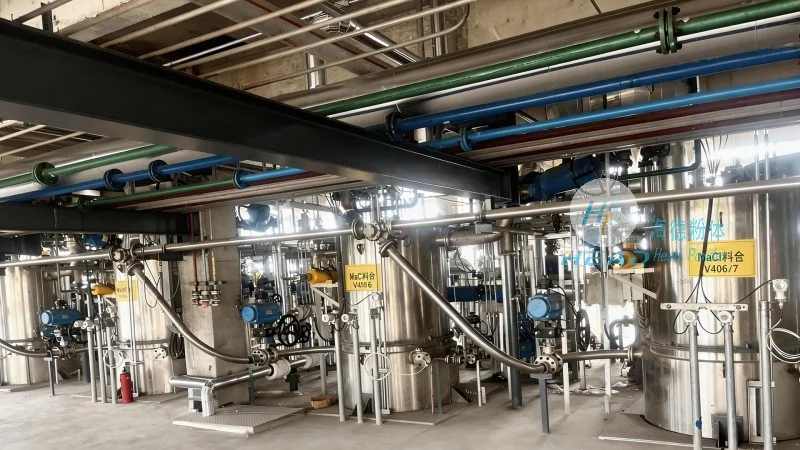
About Shandong HeadPowder Engineering Co., Ltd.
HeadPowder, formally known as Shandong HeadPowder Engineering Co., Ltd., is a reputable company headquartered in Shandong, China. With a focus on industrial engineering and material handling technologies, the company has developed expertise in designing and manufacturing conveying systems tailored to the needs of food processing industries, particularly those dealing with dried chilies.
Dried Chili Material Conveying Line Systems: An Overview
Dried chili material conveying lines are specialized systems engineered to transport dried chili peppers or related products through various stages of processing. These lines are designed to handle the unique physical properties of dried chilies, such as their irregular shapes, varying sizes, and potential for dust generation. The systems typically integrate multiple components, including feeders, conveyors, and control mechanisms, to ensure smooth and efficient material movement.
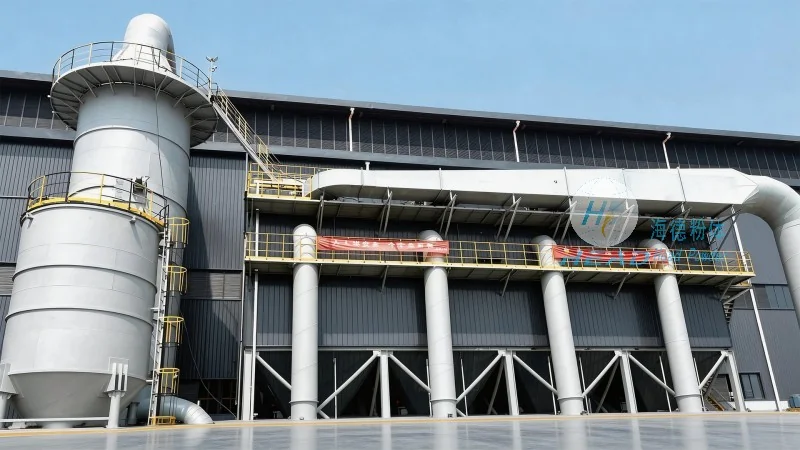
Working Principle of the Conveying Line
The core working principle of a dried chili material conveying line involves the sequential movement of material from one processing stage to another. The process begins with the initial feeding of dried chilies into the system, often through a hopper or bulk container. From there, the material is transferred to a conveyor, which may use mechanisms like belt conveyors, screw conveyors, or pneumatic systems to move the product. The design of the conveying line is optimized to maintain the integrity of the dried chilies, minimizing breakage or damage during transport. Additionally, the system may incorporate features such as adjustable speed controls, material sorting capabilities, and dust collection systems to enhance operational efficiency and safety.
Key Working Scene Characteristics
The working scene characteristics of dried chili material conveying lines are tailored to the specific demands of chili processing environments. These characteristics include high capacity handling, which allows for the efficient processing of large volumes of dried chilies. The systems are also designed for durability and reliability, as they must withstand the abrasive nature of chili peppers and the rigorous conditions of industrial processing. Another critical characteristic is the ability to integrate with other processing equipment, such as sorting machines, packaging lines, or drying ovens, to form a comprehensive production line. This integration ensures seamless workflow and reduces downtime in the processing facility.
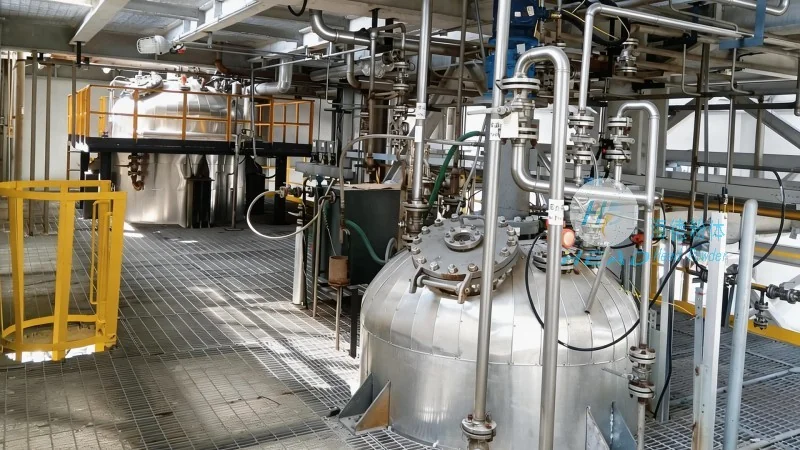
Application Scenarios in Chili Processing
Dried chili material conveying lines are widely used in various stages of chili processing. For instance, after the drying process, the dried chilies are transported from the drying ovens to a sorting and grading area. The conveying line facilitates this transfer, ensuring that the chilies are moved in an organized manner for quality assessment. Additionally, the lines are used in packaging operations, where the dried chilies are conveyed from storage bins to packaging machines. The systems also play a role in quality control, as they may include inspection stations where the chilies are checked for defects or foreign materials before further processing. Overall, the conveying lines contribute to the streamlined operation of chili processing plants, improving productivity and maintaining product quality.
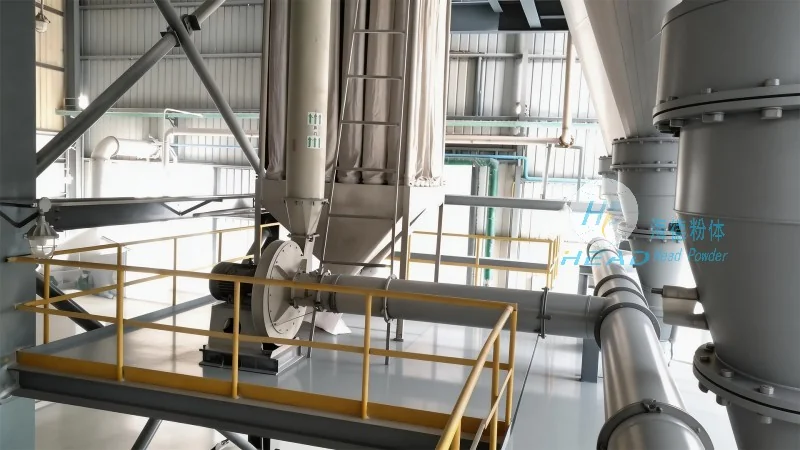
Advantages of Using Dried Chili Material Conveying Lines
Implementing dried chili material conveying lines offers several advantages for chili processing facilities. One of the primary benefits is increased efficiency, as the automated transport of materials reduces the need for manual handling, which can be labor-intensive and prone to errors. The systems also enhance safety by minimizing the risk of workplace accidents associated with manual material handling. Furthermore, the consistent and controlled movement of dried chilies ensures better quality control, as the product is less likely to be damaged or contaminated during transport. The durability and reliability of these systems also contribute to lower maintenance costs and longer operational lifespans, providing a favorable return on investment for processing facilities.
Conclusion
In conclusion, dried chili material conveying lines are essential components of modern chili processing operations. The working principle of these systems, combined with their tailored characteristics, enables efficient and reliable material handling. Companies like Shandong HeadPowder Engineering Co., Ltd. play a crucial role in providing such solutions, leveraging their expertise to meet the specific needs of chili processing industries. By investing in high-quality conveying lines, chili processing facilities can enhance their operational efficiency, maintain product quality, and achieve greater productivity in their production processes.




