HeadPowder, a leading engineering company based in Shandong, China, specializes in the design and implementation of advanced material handling systems. This article focuses on the polypropylene material conveying lines, exploring their operational principles and the specific characteristics of their working environments. The company's expertise in industrial automation and material transport ensures that these systems are tailored to meet the unique demands of various industries, providing reliable and efficient solutions for polypropylene material handling.
Polypropylene Material Conveying Line: Operational Principle
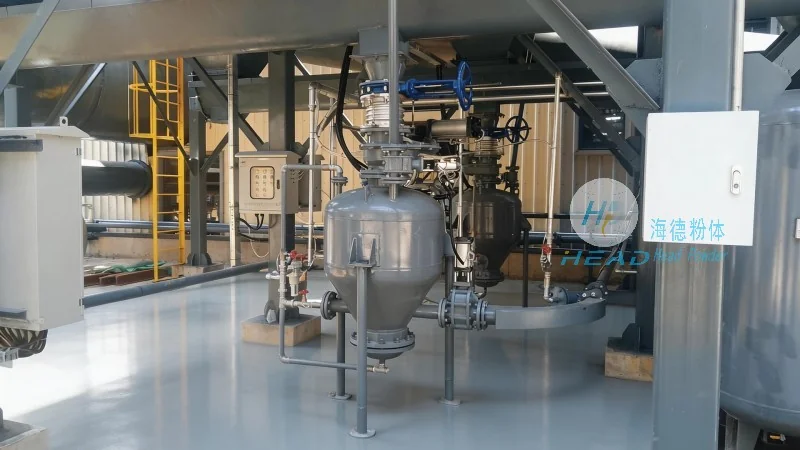
Polypropylene (PP) is a versatile thermoplastic polymer widely used in manufacturing due to its durability, lightweight properties, and resistance to chemical corrosion. The efficient transportation of polypropylene material requires a specialized conveying system that adheres to the material's physical and chemical characteristics. The polypropylene material conveying line operates on the principle of mechanical transport, integrating several key components to ensure smooth and consistent material movement. The process typically begins with the material being stored in a bulk container or hopper, where it is then fed into a feeder system. The feeder regulates the flow rate of the polypropylene, preventing overfeeding or underfeeding that could disrupt the conveying process. From the feeder, the material is transferred to the conveyor, which may be a belt conveyor, screw conveyor, or pneumatic conveyor, depending on the specific application and material properties. Belt conveyors are commonly used for transporting larger polypropylene pellets or granules over longer distances, while screw conveyors are ideal for handling fine powders or granules in vertical or horizontal orientations. Pneumatic conveyors, on the other hand, use air pressure to move the material, which is particularly effective for preventing dust generation and maintaining material purity. The conveying line is equipped with sensors and control mechanisms to monitor the system's performance, such as flow rate, pressure, and temperature. These sensors provide real-time data to the control system, enabling automatic adjustments to maintain optimal operation. Additionally, the system may include anti-static and dust suppression measures to address polypropylene's tendency to accumulate static charge and generate dust, which can affect equipment performance and product quality. By integrating these components and control strategies, the polypropylene material conveying line ensures reliable and efficient transport of the material, supporting downstream processes like compounding, extrusion, and packaging.
Working Scene Characteristics of Polypropylene Material Conveying Lines
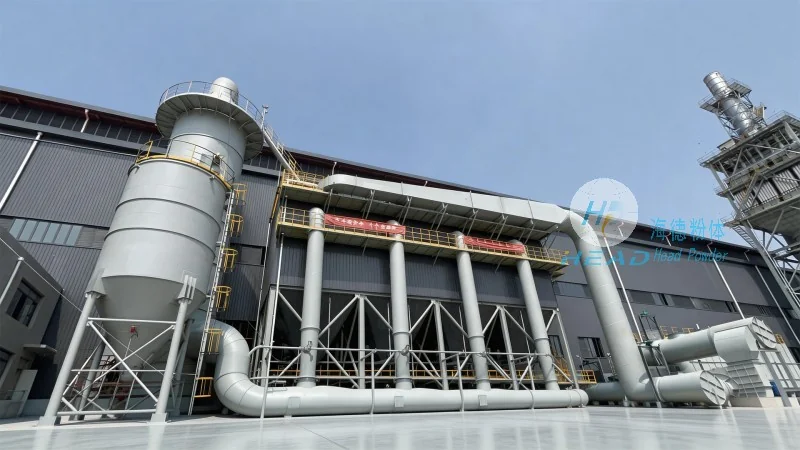
The working scene characteristics of polypropylene material conveying lines are shaped by several critical factors, including the material's properties, environmental conditions, and operational requirements. One of the primary characteristics is the need for effective dust control and static management. Polypropylene is prone to generating static electricity, which can lead to material buildup on conveyor surfaces and equipment, causing operational inefficiencies and safety hazards. To mitigate this, the conveying systems are often equipped with grounding cables, ionizing bars, and dust collection systems. These measures help to dissipate static charges and capture airborne particles, maintaining a clean and safe working environment. Another significant characteristic is temperature control, as polypropylene's flowability and processing properties are sensitive to temperature variations. The conveying line may include temperature-regulated sections or heating elements to keep the material within an optimal temperature range, preventing clumping or degradation. This is particularly important in applications where the material is being transported to processing equipment that requires specific temperature conditions. Additionally, the working environment may involve high material throughput rates, requiring the system to handle large volumes without compromising quality or efficiency. The design of the conveying line must account for space constraints and integration with existing production lines, ensuring seamless operation and minimal downtime. The working scene also emphasizes the importance of regular maintenance and monitoring to ensure the system operates at peak performance. By addressing these characteristics, the polypropylene material conveying line provides a robust solution for handling polypropylene material in various industrial settings, supporting consistent and reliable production processes.
Application Scenarios and Industry Integration
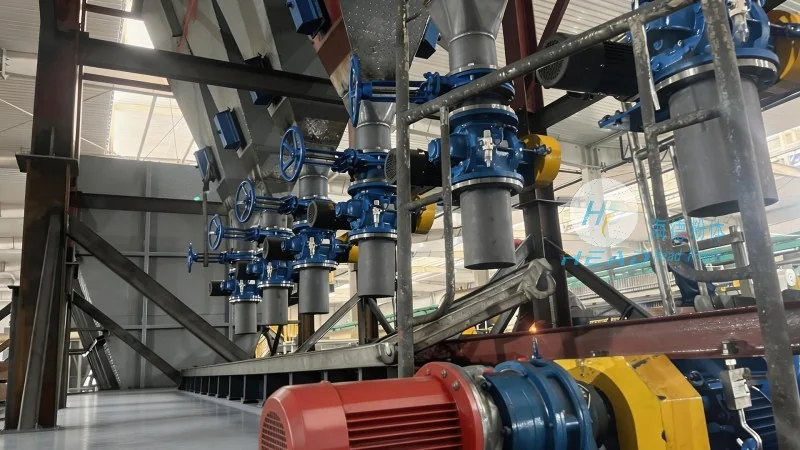
Polypropylene material conveying lines are widely utilized across multiple industries, each with unique requirements for material handling. In the plastics manufacturing industry, these systems are essential for transporting polypropylene pellets or granules from storage to processing equipment, such as extruders, mixers, and pelletizers. The efficient conveying of polypropylene ensures that the material is delivered in the correct quantity and condition, supporting the production of plastic products like bottles, containers, and films. The working scene in this industry often involves high-speed operation and precise control to meet the stringent quality standards of the final products. For example, in the production of beverage bottles, the conveying line must maintain consistent flow rates to prevent material defects and ensure uniform bottle production. In the chemical processing industry, polypropylene conveying lines are used to transport polypropylene powders or resins between different processing stages, such as drying, compounding, and packaging. The system must handle the material's potential for dust generation and static charge, ensuring that the material remains clean and free from contamination. The integration of these conveying lines with automated storage and retrieval systems (AS/RS) enhances overall operational efficiency, allowing for quick and reliable material access. In the food processing industry, polypropylene conveying lines are employed to transport polypropylene-based packaging materials or food-grade polypropylene products. The working scene in this industry emphasizes hygiene and safety, with the conveying systems designed to prevent cross-contamination and maintain clean surfaces. The use of stainless steel components and easy-to-clean designs ensures compliance with food safety regulations. Additionally, the adaptability of polypropylene material conveying lines to different production scales and environments makes them a versatile solution for various industrial applications. Whether in small-scale manufacturing or large-scale production facilities, these systems provide reliable material transport, supporting the continuous and efficient operation of industrial processes.




