HeadPowder, a leading engineering company based in Shandong, China, specializes in the design and implementation of efficient material handling systems for copper concentrate powder. This article explores the fundamental principles underlying these systems and highlights key working scene characteristics that define their operational effectiveness.
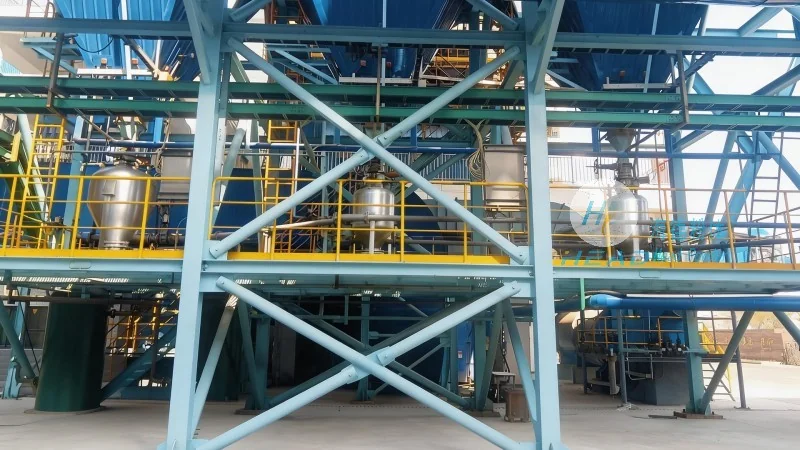
Principle of Copper Concentrate Powder Material Handling Lines
The core principle of copper concentrate powder material handling lines revolves around the seamless transfer of fine copper ore particles from one processing stage to another. These systems typically integrate various components such as feeders, conveyors, and storage silos, working in concert to ensure a continuous and controlled flow of material. The design emphasizes minimizing material degradation, preventing dust generation, and optimizing energy consumption, which are critical factors in industrial applications.
Key mechanisms include the use of specialized conveyor technologies like pneumatic conveying or mechanical belt conveyors, tailored to the specific properties of copper concentrate powder. Pneumatic systems, for instance, utilize air pressure to transport the fine powder through pipelines, offering advantages in terms of flexibility and reduced mechanical wear. Mechanical conveyors, on the other hand, rely on continuous motion of belts or chains to move bulk material, providing high capacity and reliability in heavy-duty operations.
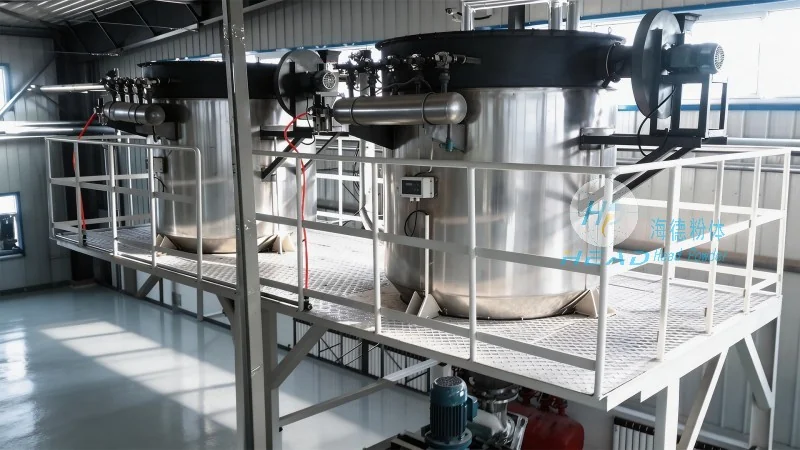
Working Scene Characteristics of Copper Concentrate Powder Material Handling Lines
The operational characteristics of copper concentrate powder material handling lines are shaped by several key factors that influence their performance in real-world industrial settings. These include the particle size distribution, moisture content, and bulk density of the copper concentrate, all of which affect the system's efficiency and maintenance requirements.
One prominent characteristic is the need for dust control measures, as copper concentrate powder is often fine and can generate significant airborne particles during handling. Effective dust suppression systems, such as enclosed conveyors and air filtration units, are integral to maintaining a safe and compliant working environment. Additionally, the system's design must accommodate variations in material flow rates, ensuring that it can handle both low and high throughput scenarios without compromising stability or safety.
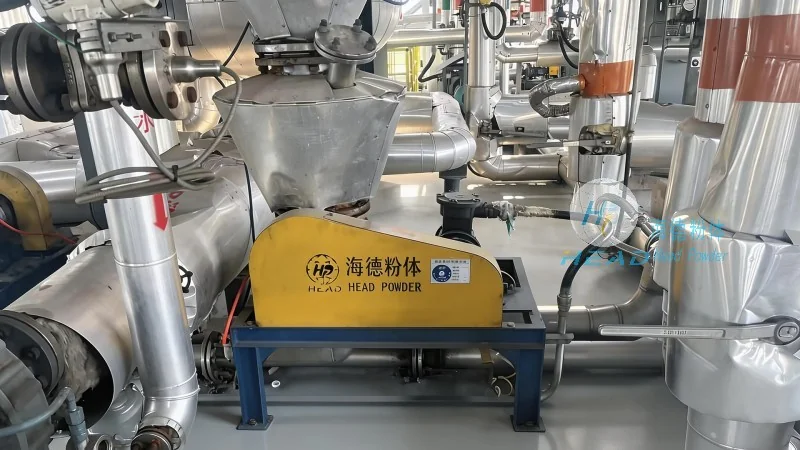
Another critical aspect is the integration with downstream processing equipment. Copper concentrate powder handling lines are typically part of larger mineral processing plants, where the material is fed into crushers, grinders, or flotation units. The design of the handling line must ensure compatibility with these downstream processes, including considerations for material temperature, moisture content, and particle size uniformity. This integration is essential for achieving optimal processing efficiency and minimizing downtime.
Application Scenarios and Operational Benefits
Copper concentrate powder material handling lines are widely used in various industrial applications, particularly in mining and metallurgical operations. The primary benefits of these systems include improved productivity through continuous material flow, reduced labor costs due to automated handling, and enhanced safety through minimized manual handling of hazardous materials. These systems also contribute to environmental compliance by reducing dust emissions and improving material recovery rates.
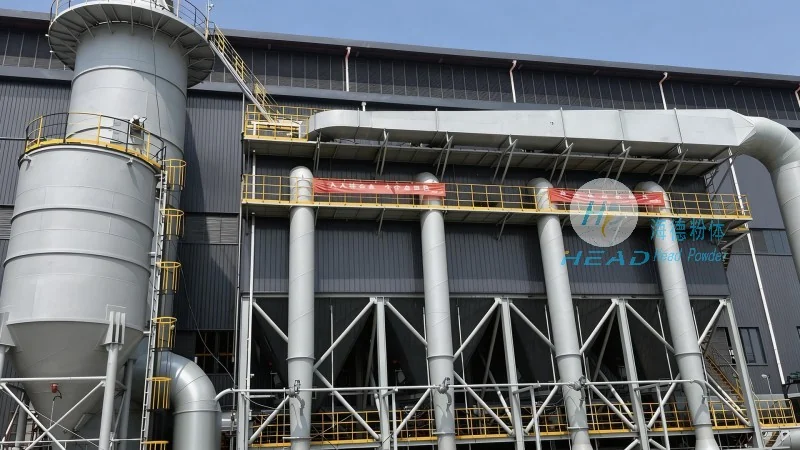
In mining operations, for example, copper concentrate powder handling lines are used to transport ore from the grinding and classification stages to the flotation or smelting processes. The systems are designed to handle large volumes of material, often in excess of several hundred tons per hour, while maintaining precise control over the material's properties. This ensures that the downstream processes receive a consistent feed, leading to higher yields and lower operating costs.
In metallurgical plants, the handling lines play a crucial role in the preparation of copper concentrate for smelting. The systems must be capable of handling fine particles and maintaining low moisture content to prevent caking or blockages in subsequent processing steps. The use of advanced control systems and sensors further enhances operational efficiency by providing real-time monitoring of material flow and system performance.




