Efficient and reliable material handling is a critical concern in industrial applications, especially when dealing with bulk powders and granular materials like coal ash slag. Traditional methods such as belt conveyors or bucket elevators often face challenges with material buildup, blockages, and contamination risks. Pneumatic conveying systems offer a modern solution by utilizing air flow to transport these materials, providing a clean, dust-free, and flexible approach to material transport. This article explores the principles and applications of pneumatic conveying for coal ash slag, highlighting how companies like Shandong HeadPowder Engineering Co., Ltd. have developed advanced systems to optimize material handling processes.
Understanding Pneumatic Conveying Technology
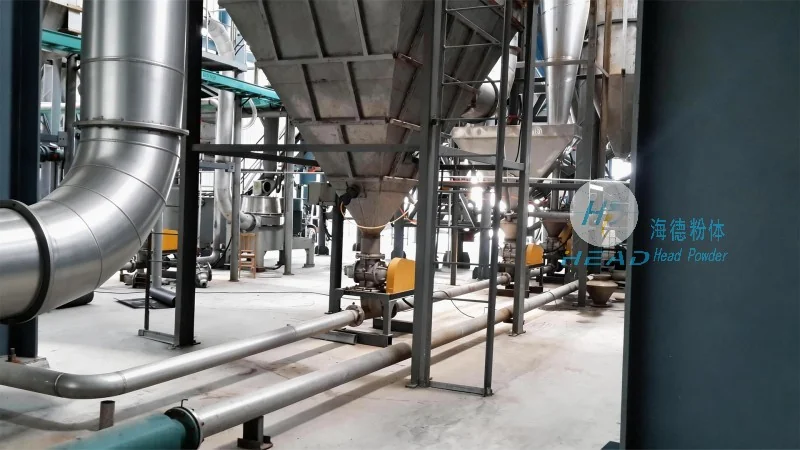
Pneumatic conveying works by creating a flow of air through a pipeline system, which then carries the material particles along with it. There are two primary types of pneumatic conveying: dilute phase and dense phase. Dilute phase systems use higher air velocities to transport materials in a dispersed state, suitable for long-distance and high-speed applications. Dense phase systems, on the other hand, use lower air velocities and higher material concentrations, ideal for handling sensitive or abrasive materials that require gentle transport. For coal ash slag, which often contains fine particles and potential abrasive properties, a combination of both systems or a specialized dense phase design may be employed to ensure minimal degradation and efficient transport.
Key Components of a Pneumatic Conveying System
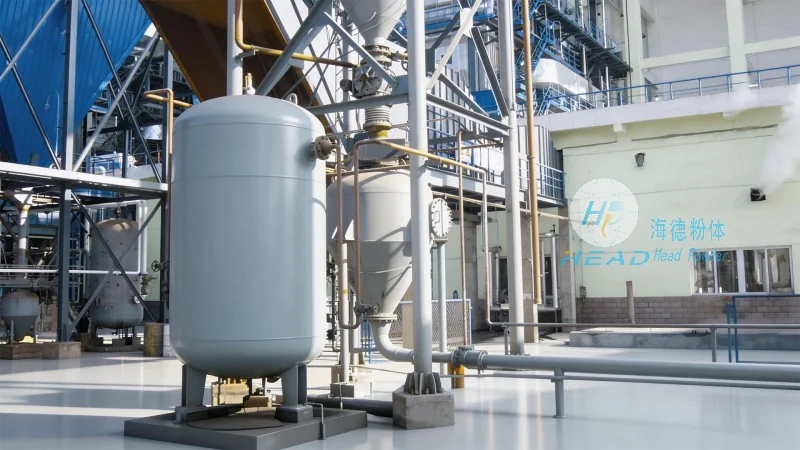
A typical pneumatic conveying system consists of several key components that work in tandem to ensure smooth operation. The primary components include a material feeder, which accurately meters the coal ash slag into the system; a conveying pipeline, which transports the material; a separator or cyclone, which separates the material from the air; and a dust collector or filter, which captures any fine particles to maintain air quality. Additionally, a blower or compressor provides the necessary air pressure and flow rate to drive the material through the system. Each component must be carefully selected and sized to match the specific characteristics of the coal ash slag, such as particle size distribution, moisture content, and bulk density, to ensure optimal performance.
Advantages of Pneumatic Conveying for Coal Ash Slag
Implementing pneumatic conveying for coal ash slag offers numerous advantages over traditional material handling methods. One of the most significant benefits is the ability to transport materials in a closed system, which minimizes dust emissions and environmental contamination. This is particularly important for coal ash slag, which can be a source of air pollutants if not handled properly. Additionally, pneumatic systems provide a high degree of flexibility, allowing for changes in material flow direction or destination without the need for extensive reconfiguration of the system. The closed nature of the system also reduces the risk of material contamination from external sources, ensuring that the coal ash slag remains clean and suitable for its intended use, such as in cement production or as a filler material. Furthermore, pneumatic conveying can improve operational efficiency by reducing downtime caused by blockages or material buildup, as the system can be designed to handle varying material loads and flow rates.
HeadPowder's Expertise in Pneumatic Conveying Solutions
Shandong HeadPowder Engineering Co., Ltd., a leading provider of material handling solutions, specializes in designing and manufacturing pneumatic conveying systems tailored to the needs of coal ash slag applications. With years of experience in the industry, HeadPowder has developed a range of advanced systems that incorporate the latest technology to enhance efficiency and reliability. The company's engineers work closely with clients to understand their specific requirements, including the type and quantity of coal ash slag, the desired transport distance, and any environmental or safety constraints. This collaborative approach ensures that the final system is optimized for performance, durability, and cost-effectiveness. HeadPowder's systems are built with high-quality materials and components, such as corrosion-resistant pipelines and wear-resistant components, to withstand the abrasive nature of coal ash slag and ensure long-term operation. The company also provides comprehensive after-sales support, including maintenance services and technical assistance, to help clients maximize the lifespan and efficiency of their pneumatic conveying systems.
Applications and Case Studies
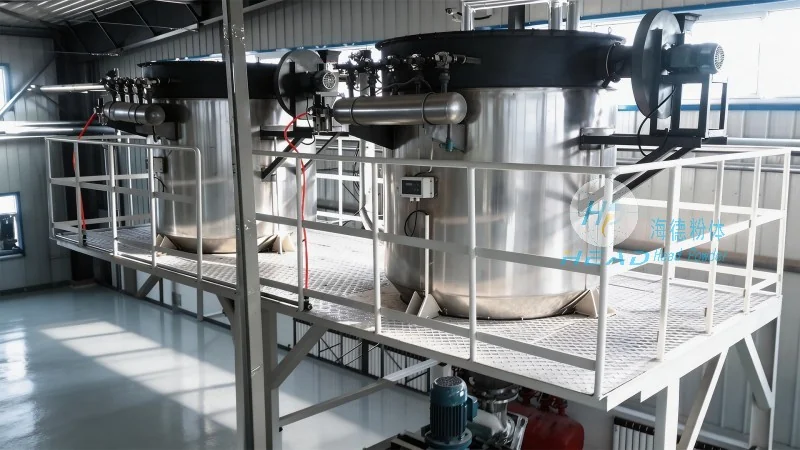
Pneumatic conveying systems for coal ash slag are widely used in various industrial sectors. In the cement industry, for example, coal ash slag is often used as a supplementary cementitious material, and pneumatic conveying allows for its efficient transport from storage facilities to the cement production line. This reduces the time and labor required for manual handling and minimizes the risk of material loss or contamination. In power plants, coal ash slag is generated as a byproduct of coal combustion and needs to be transported to disposal or utilization sites. Pneumatic systems provide a safe and efficient way to handle this material, preventing dust emissions and ensuring compliance with environmental regulations. Other applications include the use of coal ash slag in construction materials, such as concrete and asphalt, where the material's properties are enhanced by the gentle transport process. HeadPowder has successfully implemented pneumatic conveying systems in numerous projects across China, demonstrating the effectiveness and reliability of their solutions.
Conclusion and Future Trends
Pneumatic conveying is a highly effective and versatile method for transporting coal ash slag and other powder and granular materials. By leveraging the power of air flow, these systems offer a clean, efficient, and flexible solution to material handling challenges. Companies like Shandong HeadPowder Engineering Co., Ltd. play a crucial role in developing and implementing these systems, ensuring that industrial operations can handle bulk materials safely and sustainably. As technology continues to advance, future pneumatic conveying systems may incorporate smart sensors and automation to further enhance performance and reduce operational costs. However, the core principles of using air flow to transport materials will remain a fundamental approach in industrial material handling, with continued innovation focused on improving efficiency, durability, and environmental compliance.




