Resin powder pneumatic conveying is a critical process in many industrial applications, particularly where the efficient and reliable transport of bulk powders is essential. This method leverages air flow to move resin powders through a system, offering advantages such as reduced contamination, improved safety, and enhanced process control compared to traditional mechanical conveying methods. For industries dealing with resin powders, understanding the principles and best practices of pneumatic conveying is vital for optimizing production efficiency and maintaining product quality.
Understanding Pneumatic Conveying Systems
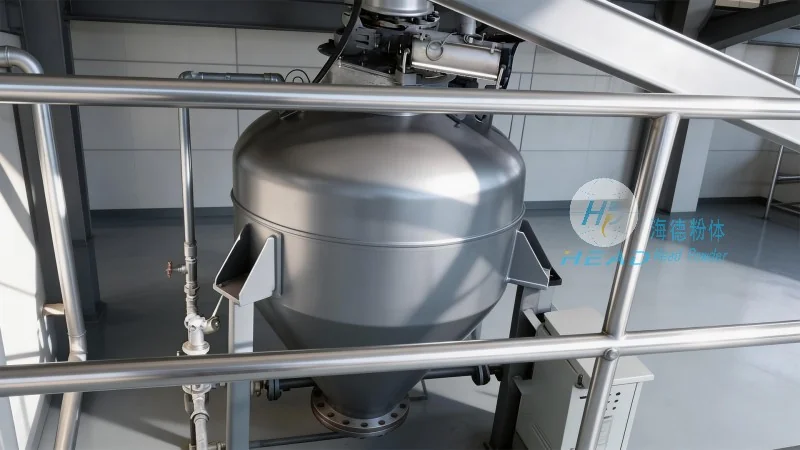
Pneumatic conveying systems operate by using compressed air to create a flow that transports the resin powder from the source to the destination. There are two primary types of systems: dilute-phase and dense-phase. Dilute-phase systems use higher air velocities to keep the powder suspended in the air stream, making them suitable for long-distance transport and high-capacity applications. Dense-phase systems, on the other hand, use lower air velocities and higher powder concentrations, which is ideal for handling sensitive materials or materials that are prone to degradation during transport. The choice between these systems depends on the specific characteristics of the resin powder, such as particle size, density, and moisture content, as well as the distance and capacity requirements of the conveying task.
Key Components of a Resin Powder Pneumatic Conveying System
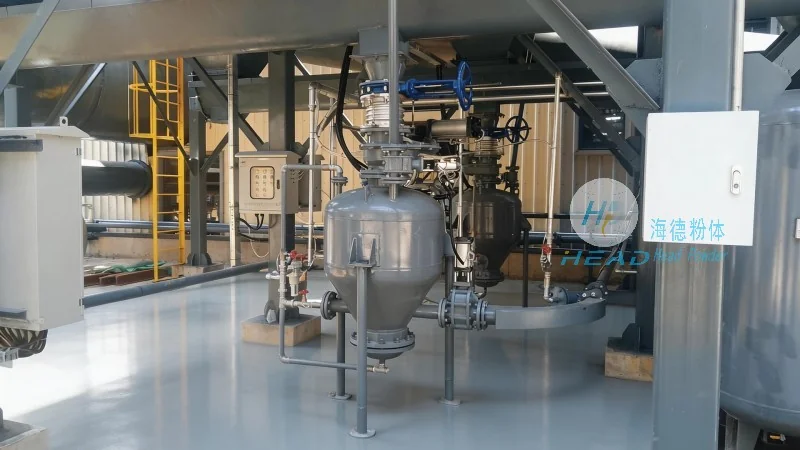
A typical resin powder pneumatic conveying system consists of several key components that work together to ensure efficient operation. These components include a hopper or feeder to control the flow of resin powder into the system, a blower or compressor to generate the necessary air pressure, a pipeline network to transport the powder and air mixture, and a receiver or discharge device to collect the material at the end of the line. Additionally, many systems incorporate filters and cyclones to separate the powder from the air, ensuring that the air is cleaned and can be recirculated or safely discharged. The design and selection of each component are critical to the overall performance and reliability of the system, as they directly impact the efficiency of the conveying process and the quality of the transported resin powder.
Advantages of Resin Powder Pneumatic Conveying
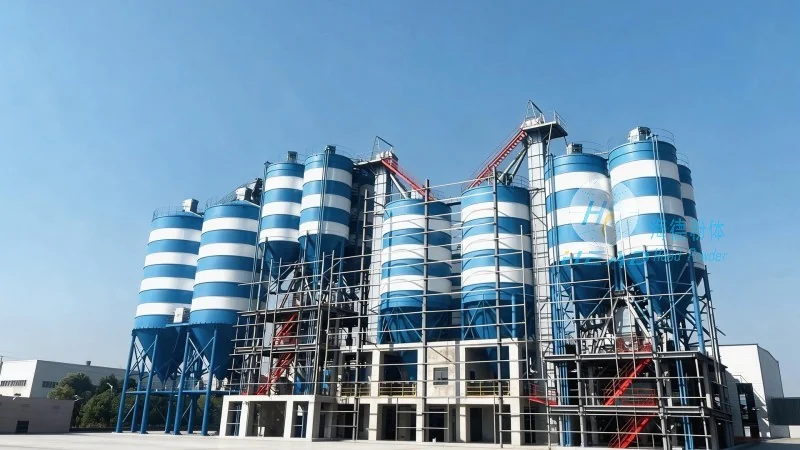
Resin powder pneumatic conveying offers several advantages over traditional mechanical conveying methods. One of the most significant benefits is the reduction in product contamination, as the system is enclosed and the powder is not exposed to the environment. This is particularly important for resin powders, which are often used in applications where purity is critical, such as in the production of high-performance plastics or coatings. Additionally, pneumatic conveying systems can be designed to handle a wide range of resin powder characteristics, including different particle sizes, densities, and moisture levels. The ability to transport materials vertically and horizontally with minimal restrictions also makes this method versatile for various industrial settings. Furthermore, the enclosed nature of the system enhances workplace safety by eliminating dust and preventing the release of harmful particles into the air, reducing the risk of respiratory issues for workers.
Applications in the Resin Industry
The use of resin powder pneumatic conveying is widespread across various sectors of the resin industry. In the production of thermosetting and thermoplastic resins, these systems are used to transport raw materials from storage silos to processing equipment, ensuring a consistent and continuous supply of material. In the manufacturing of composite materials, pneumatic conveying is essential for transporting resin powders to mixing and molding equipment, where the powder is combined with other ingredients to create the final product. Additionally, in the production of coatings and adhesives, the efficient transport of resin powders is crucial for maintaining the quality and consistency of the final product. The ability to handle large volumes of material with high accuracy and minimal loss makes pneumatic conveying an ideal solution for these applications.
Considerations for System Design and Installation
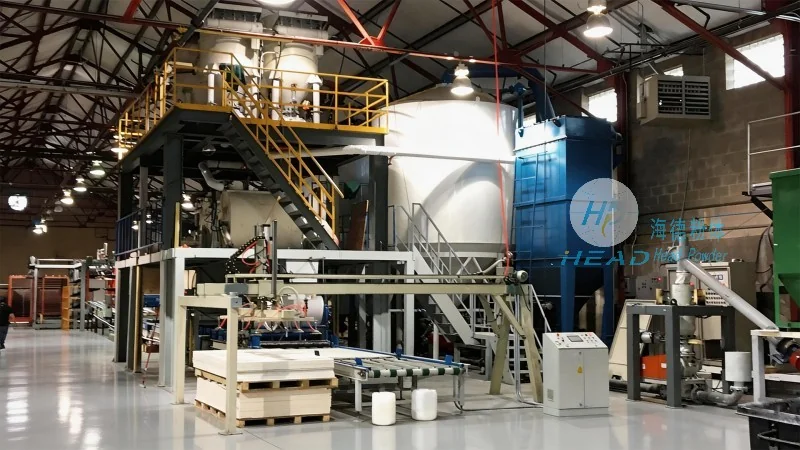
When designing and installing a resin powder pneumatic conveying system, several factors must be carefully considered to ensure optimal performance and longevity. The first consideration is the characteristics of the resin powder itself, including its particle size distribution, density, and moisture content. These properties will determine the appropriate type of system (dilute-phase or dense-phase) and the required air velocity and pressure. The distance and layout of the conveying line are also critical, as they affect the system's capacity and energy consumption. Additionally, the material of construction for the pipeline and components must be selected to resist corrosion and wear from the resin powder, ensuring the system's durability. Proper maintenance, including regular cleaning of filters and cyclones, is also essential to maintain the system's efficiency and prevent downtime. By addressing these considerations, manufacturers can ensure that their resin powder pneumatic conveying system operates efficiently and reliably, meeting the demands of their production processes.
Conclusion
Resin powder pneumatic conveying is a highly effective method for transporting bulk powders, offering numerous advantages over traditional mechanical methods. By leveraging air flow to move resin powders through an enclosed system, this technology provides improved product quality, enhanced safety, and greater process control. For industries dealing with resin powders, investing in a well-designed and properly maintained pneumatic conveying system is a strategic decision that can lead to increased efficiency, reduced costs, and improved overall performance. As the demand for high-quality resin products continues to grow, the importance of efficient material handling methods like pneumatic conveying will only become more significant.




