HeadPowder, a leading provider of material handling solutions, specializes in the design and implementation of efficient ceramic powder conveying systems. These systems are crucial for the seamless transportation of ceramic powders in various industrial applications, ensuring high precision and reliability in material movement. This article explores the fundamental principles behind ceramic powder material conveying lines and highlights the key characteristics of their working scenarios.
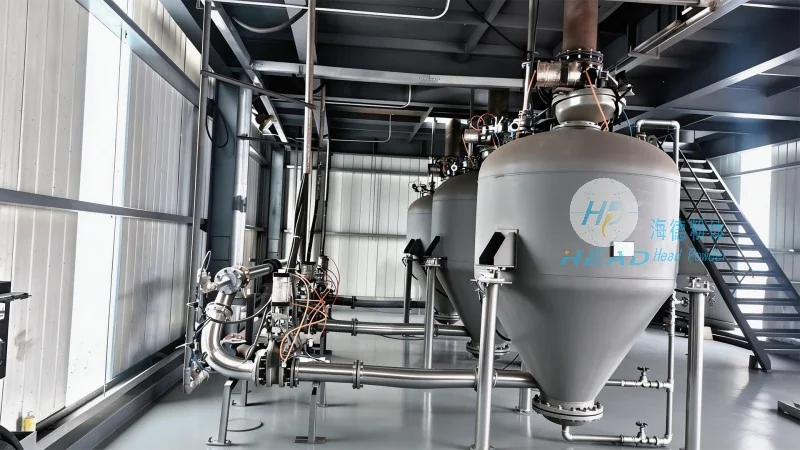
Introduction to Ceramic Powder Material Conveying Lines
Ceramic powder material conveying lines are engineered systems that facilitate the movement of fine ceramic powders from one processing stage to another within industrial facilities. These systems are essential in sectors such as ceramics manufacturing, pharmaceuticals, and chemical processing, where the consistent and controlled transport of powders is critical for maintaining product quality and operational efficiency. The design of these conveying lines is tailored to address the unique challenges posed by ceramic powders, including their fine particle size, potential for static electricity, and sensitivity to moisture.
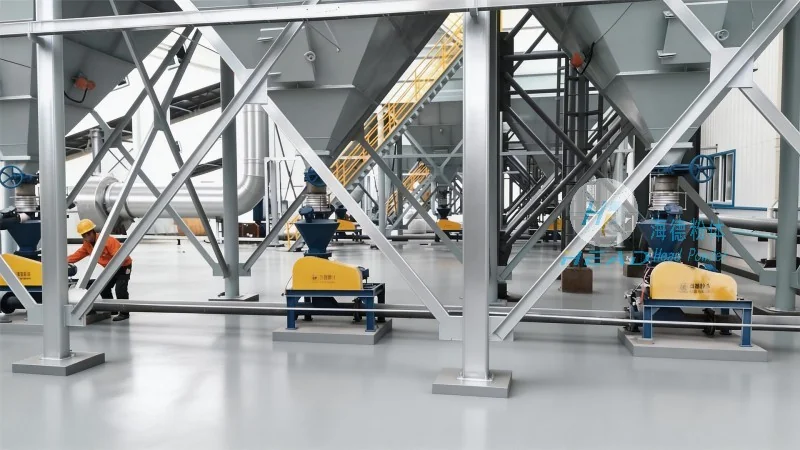
Key Components and Working Principle
The core components of a ceramic powder material conveying line typically include feed hoppers, conveying mechanisms (such as screw conveyors, pneumatic conveying systems, or belt conveyors), control systems, and discharge units. The working principle revolves around the efficient transfer of powders through these components, ensuring minimal loss, contamination, and degradation of the material. For instance, screw conveyors use rotating screws to push the powder forward, while pneumatic systems utilize air pressure to transport the material in a sealed pipeline. Each component is designed to handle the specific properties of ceramic powders, such as their low bulk density and tendency to adhere to surfaces.
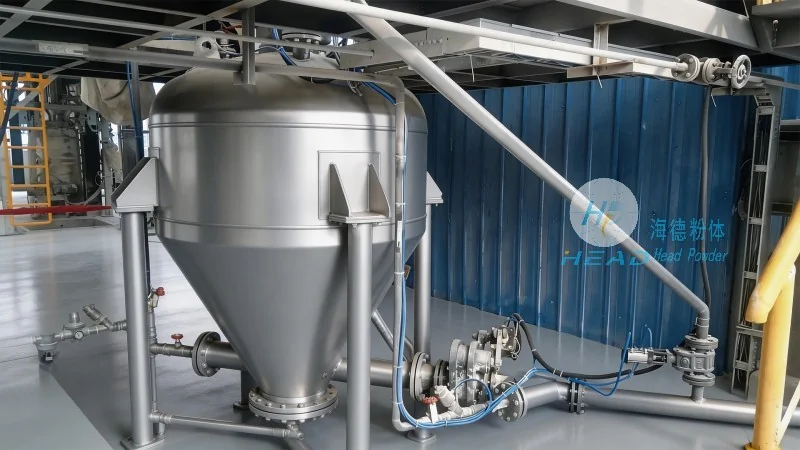
Working Scene Characteristics
The working scene characteristics of ceramic powder material conveying lines vary based on the specific industrial application and the scale of operation. In large-scale ceramic manufacturing plants, these systems are often integrated into complex production lines, handling high volumes of powder while maintaining strict quality control. The working environment may involve high temperatures, dust, and noise, requiring robust equipment and proper safety measures. In contrast, smaller-scale applications, such as in research laboratories or small-scale production facilities, may use more compact and flexible conveying solutions that can be easily adjusted to accommodate varying powder quantities and processing requirements.
Application Scenarios and Industry Benefits
Ceramic powder material conveying lines are widely used in various industries, including the production of ceramic tiles, sanitary ware, and refractory materials. In these applications, the conveying systems play a vital role in ensuring that raw ceramic powders are delivered to mixing and molding processes in a consistent and controlled manner. The benefits of using these systems include improved production efficiency, reduced labor costs, and enhanced product quality. By minimizing material handling errors and preventing contamination, the conveying lines contribute to the overall productivity and profitability of the manufacturing process.
Conclusion
HeadPowder Engineering Co., Ltd., based in Shandong, China, offers comprehensive solutions for ceramic powder material conveying lines. With a focus on innovation and customer-centric design, the company provides tailored systems that meet the specific needs of different industries. The principles and characteristics of these conveying lines, as discussed, underscore their importance in modern industrial operations, enabling efficient and reliable material handling for ceramic powders. By leveraging advanced technology and expert engineering, HeadPowder continues to deliver high-quality solutions that enhance operational performance and support sustainable growth in the ceramic industry.




