Within the battery manufacturing industry, the efficient and reliable transportation of positive and negative electrode materials is a critical process that directly impacts production efficiency and product quality. The positive and negative electrode material conveying line, as a specialized equipment system, plays a pivotal role in this workflow. This article will delve into the fundamental principles of such conveying lines and explore the key characteristics of their working scenarios, providing a comprehensive overview for industry professionals.
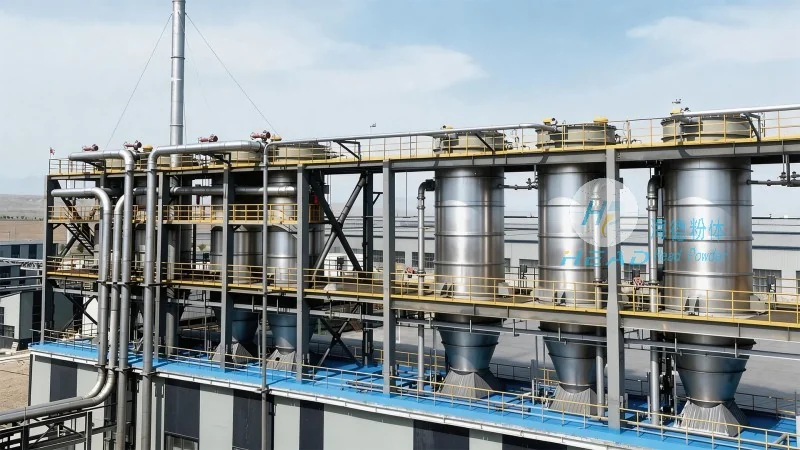
Overview of the Positive and Negative Electrode Material Conveying Line
The positive and negative electrode material conveying line is a specialized system designed to transport raw materials, such as active materials, binders, and conductive agents, used in the production of lithium-ion battery electrodes. These materials are typically in powder or granular form and require precise handling to maintain their physical properties and prevent contamination. The conveying line integrates multiple components, including feeders, conveyors, storage hoppers, and control systems, to ensure a smooth and continuous material flow from the raw material storage area to the mixing and coating stations.
Principle of Operation
The core principle of the positive and negative electrode material conveying line revolves around mechanical energy conversion and material transport. The system typically employs a combination of screw conveyors, pneumatic conveyors, or bucket elevators, depending on the material characteristics and production scale. For instance, screw conveyors are commonly used for dry powders due to their ability to handle fine materials without clogging, while pneumatic conveyors are suitable for materials that are sensitive to moisture or require dust-free handling. The operation involves the following key steps:
1. Material Loading: Raw materials are loaded into the storage hoppers from bulk containers or silos. The hoppers are equipped with level sensors to monitor material levels and trigger feeding when the level drops below a certain threshold.
2. Feeding and Conveying: A feeder, often a rotary valve or a star feeder, regulates the flow of material from the hopper into the conveyor. The conveyor then transports the material to the next processing station. The speed and capacity of the conveyor are adjustable to match the production rate.
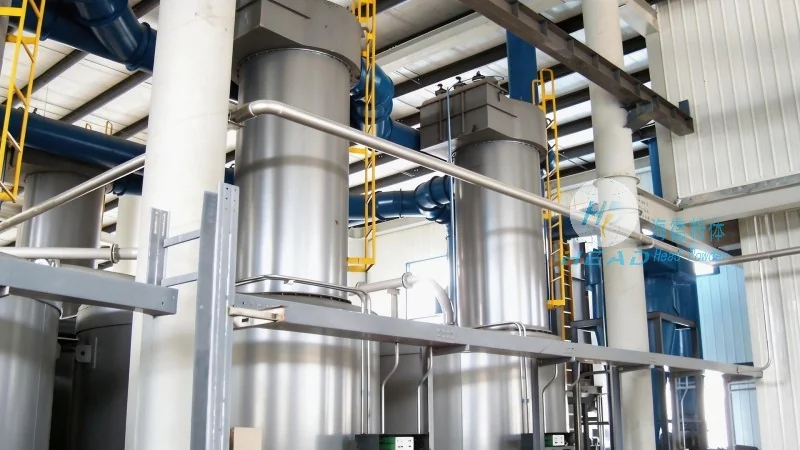
3. Storage and Distribution: Intermediate storage hoppers may be included to buffer material and ensure a consistent supply to downstream processes. From here, the material is directed to the mixing or coating equipment via additional conveyors.
Working Scene Characteristics
The working scene characteristics of the positive and negative electrode material conveying line vary significantly based on the specific application and production environment. Key aspects include:
1. Production Scale and Capacity: The conveying line can be designed for small-scale laboratory testing or large-scale industrial production. For high-volume battery manufacturing, the system may feature multiple parallel conveyors and larger storage capacities to meet the demand for continuous material supply.
2. Material Handling Requirements: Different electrode materials have distinct handling requirements. For example, some materials are hygroscopic and require sealed conveying systems to prevent moisture absorption, while others may be abrasive and necessitate wear-resistant components in the conveyor and hopper liners.
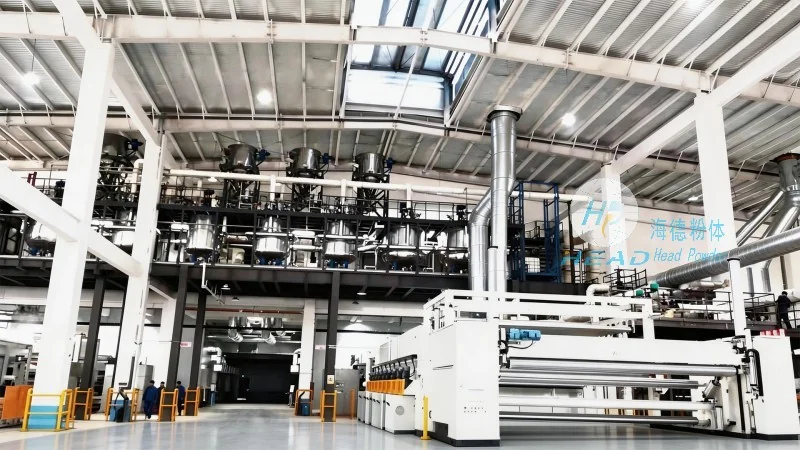
3. Integration with Production Lines: The conveying line is typically integrated with other battery manufacturing equipment, such as mixers, coating machines, and drying ovens. The system must be synchronized with these processes to maintain a seamless workflow. This integration often involves automated control systems that coordinate material flow, feeding rates, and equipment operation.
4. Environmental and Safety Considerations: In battery production facilities, the conveying line must comply with environmental regulations and safety standards. This includes features like dust collection systems to minimize airborne particulates, explosion-proof designs for flammable materials, and safety interlocks to prevent accidental material release or equipment operation during maintenance.
Application Scenarios
The positive and negative electrode material conveying line is widely used in various battery production scenarios, including:
1. Lithium-Ion Battery Manufacturing: In the production of lithium-ion batteries for electric vehicles, consumer electronics, and energy storage systems, the conveying line efficiently transports active materials like lithium cobalt oxide (LCO), lithium iron phosphate (LFP), and nickel manganese cobalt oxide (NMC) to the mixing and coating stages.
2. Phosphate Battery Production: For batteries using phosphate-based cathodes, the conveying line handles materials such as iron phosphate and other additives, ensuring consistent quality and uniformity in the electrode production process.
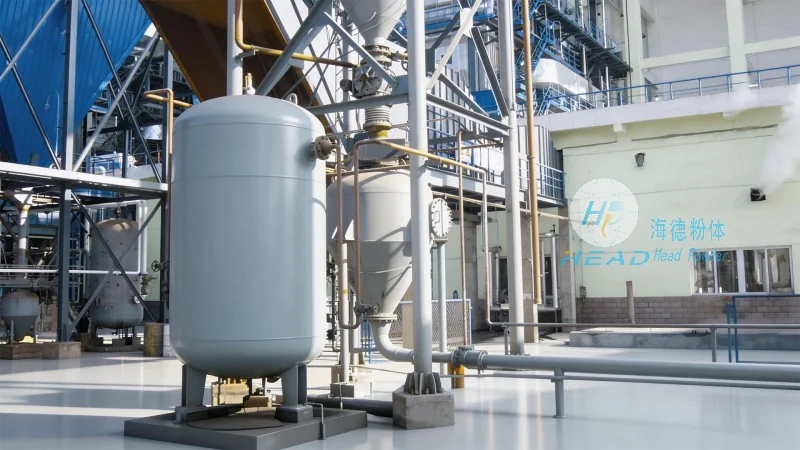
3. Industrial and Stationary Battery Factories: In large-scale industrial battery plants, the conveying line supports the high-volume production of batteries for grid energy storage, backup power, and industrial applications, where reliability and efficiency are paramount.
Customization and Solutions by HeadPowder
Shandong HeadPowder Engineering Co., Ltd., a leading manufacturer of specialized conveying equipment, offers tailored solutions for positive and negative electrode material handling. With a focus on precision engineering and material compatibility, HeadPowder designs conveying lines that meet the specific needs of battery manufacturers. The company, located in Shandong, China, has extensive experience in the battery material processing industry and provides customized solutions to enhance production efficiency.
HeadPowder’s conveying lines are engineered to handle a wide range of electrode materials, from fine powders to bulk granules, while maintaining the integrity and quality of the materials. The company’s products are designed with durability and ease of maintenance in mind, ensuring long-term performance in demanding production environments. By partnering with HeadPowder, battery manufacturers can enhance their production efficiency and product consistency.
Conclusion
The positive and negative electrode material conveying line is a critical component in modern battery manufacturing, enabling efficient and reliable material transport. Understanding its principles and working scene characteristics is essential for optimizing production processes and ensuring product quality. With advanced engineering and customization capabilities, companies like Shandong HeadPowder Engineering Co., Ltd. provide the necessary solutions to meet the evolving demands of the battery industry.




