For industries dealing with synthetic fiber powders, efficient and reliable material handling is crucial. The synthetic fiber powder conveying system, as developed by Shandong HeadPowder Engineering Co., Ltd., addresses these needs through a well-designed structure that ensures smooth and safe transportation of the material. This overview will explore the key components and operational principles of such a system, highlighting how each part contributes to the overall functionality.
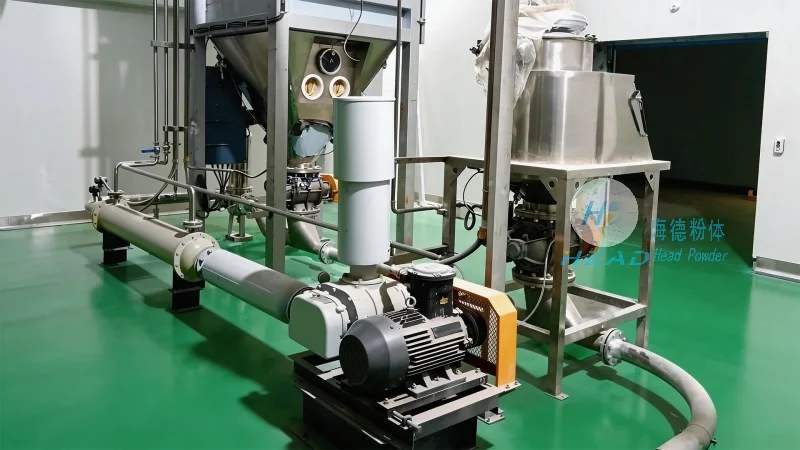
Key Structural Components of the Conveying System
The synthetic fiber powder conveying system typically consists of several integral parts that work in concert to move the material from one location to another. The primary components include the feeding hopper, which is responsible for receiving and storing the synthetic fiber powder before it is conveyed. The feeding hopper is designed with a sloped bottom to facilitate the flow of the powder into the conveyor mechanism. Adjacent to the hopper is the conveyor itself, which can be either a screw conveyor or a pneumatic conveyor, depending on the specific requirements of the application. The screw conveyor uses rotating screws to push the powder forward, while the pneumatic conveyor utilizes air pressure to transport the material through a pipeline. Both types of conveyors are equipped with appropriate sealing and wear-resistant materials to prevent material leakage and extend the service life of the equipment.
Operational Principle of the Conveying Process
The operational principle of the synthetic fiber powder conveying system is based on the physics of material movement and the mechanics of the conveying components. When the synthetic fiber powder is introduced into the feeding hopper, it falls under gravity into the conveyor. In a screw conveyor, the rotating screws create a helical path that moves the powder forward, maintaining a consistent flow rate. The speed of the screw rotation can be adjusted to control the conveying capacity, allowing for precise regulation of the material output. In a pneumatic conveyor, compressed air is introduced into the pipeline, creating a pressure differential that propels the powder through the system. The air flow rate and pressure are carefully managed to ensure that the powder is transported without causing excessive wear or degradation. The system also includes control valves and sensors that monitor the flow rate and pressure, providing real-time feedback to adjust the operation as needed.
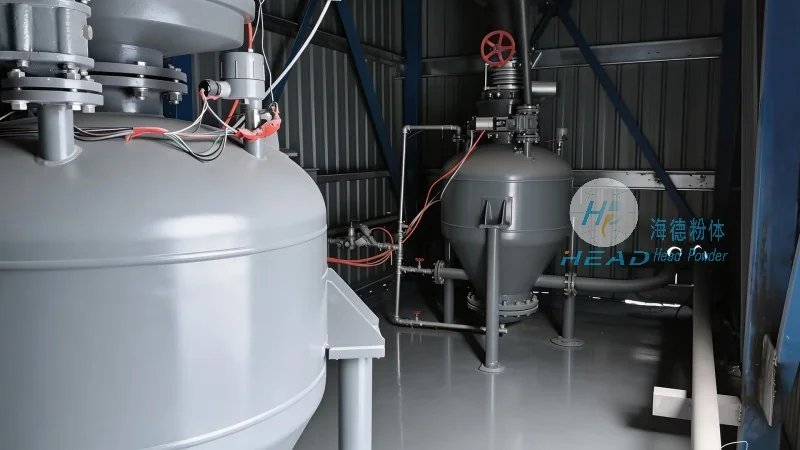
Advantages of the Synthetic Fiber Powder Conveying System
Implementing a synthetic fiber powder conveying system offers several advantages for industrial applications. First, it provides a clean and dust-free environment, which is essential for maintaining product quality and preventing contamination. The enclosed design of the system minimizes the release of fine particles into the air, reducing the risk of respiratory issues for workers and protecting the surrounding environment. Second, the system enhances operational efficiency by automating the material handling process, reducing the need for manual labor and minimizing the time required for material transport. This leads to increased productivity and lower labor costs. Third, the system is highly adaptable, with options for different conveyor types and configurations to suit various production needs. Whether for small-scale or large-scale operations, the system can be customized to meet specific requirements, ensuring optimal performance. Additionally, the use of wear-resistant materials and advanced sealing technologies extends the lifespan of the equipment, reducing maintenance costs and downtime.
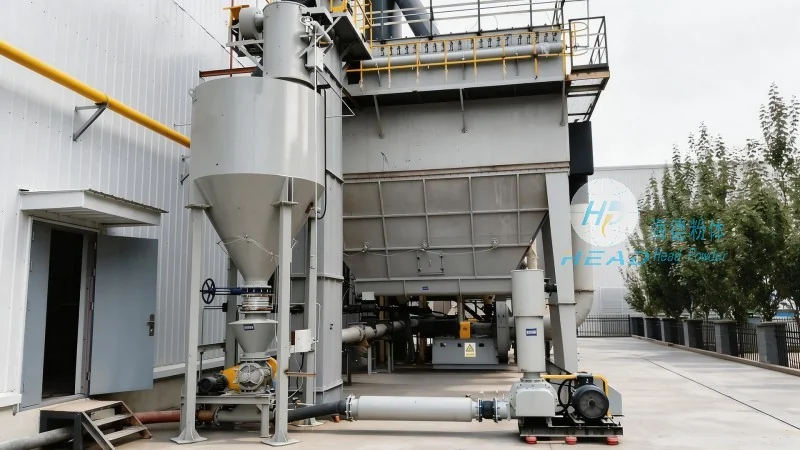
Applications in the Synthetic Fiber Industry
The synthetic fiber powder conveying system is widely used in various applications within the synthetic fiber industry. In textile manufacturing, the system is employed to transport raw synthetic fiber powders from storage silos to processing machines, such as extruders and spinners. This ensures a continuous supply of material, which is critical for maintaining production rates. In chemical processing facilities, the system is used to move synthetic fiber powders that have been treated with chemicals, such as dyeing agents or finishing agents. The enclosed design of the system prevents cross-contamination and ensures that the treated powders are handled safely. In research and development laboratories, the system is used to transport small quantities of synthetic fiber powders for testing and analysis, allowing for precise and controlled experiments. The versatility of the synthetic fiber powder conveying system makes it suitable for a wide range of applications, from large-scale industrial production to laboratory-scale research.
Conclusion and Company Overview
Shandong HeadPowder Engineering Co., Ltd. specializes in the design, manufacturing, and installation of synthetic fiber powder conveying systems, providing comprehensive solutions for material handling needs in the synthetic fiber industry. With a focus on quality and efficiency, the company has developed a range of products that meet the diverse requirements of its clients. The synthetic fiber powder conveying system, with its robust structure and reliable operational principles, is an essential component for any facility dealing with synthetic fiber powders. By investing in such a system, companies can improve their operational efficiency, enhance product quality, and reduce costs. Shandong HeadPowder Engineering Co., Ltd. continues to innovate and improve its products to meet the evolving needs of the industry, ensuring that its clients receive the best possible solutions for their material handling challenges.




