For industrial applications involving soda ash, efficient and reliable powder conveying systems are essential to ensure smooth production processes. This article provides an overview of soda ash powder conveying systems, focusing on their structural design and operational principles. The content is tailored for professionals seeking to understand the technology behind these critical equipment components.
Understanding Soda Ash Powder Conveying Systems
Soda ash, also known as sodium carbonate, is a widely used chemical in various industries, including glass manufacturing, chemical production, and water treatment. The need for consistent and safe powder handling has led to the development of specialized conveying systems designed to transport soda ash efficiently. These systems are engineered to handle the unique properties of soda ash, such as its fine particle size and potential for dust generation, while maintaining high levels of operational safety and efficiency.
Key Components of Soda Ash Powder Conveying Systems
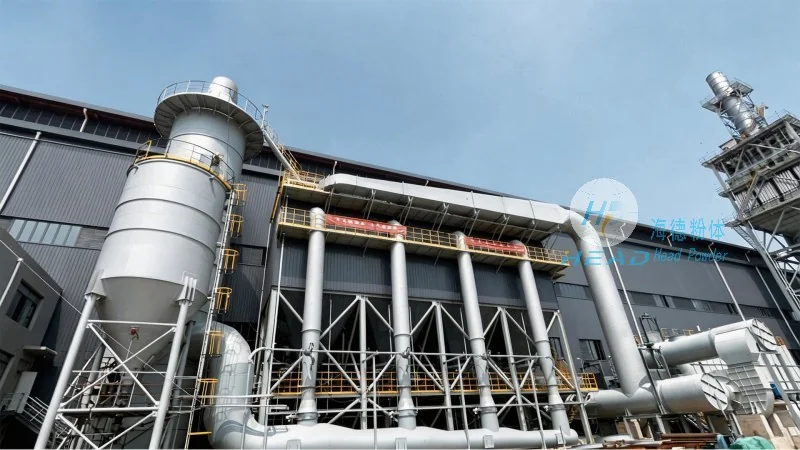
The structure of a typical soda ash powder conveying system includes several key components that work in tandem to ensure effective material transport. These components include feed hoppers, conveyor belts or screw conveyors, dust collection systems, and control mechanisms. Each component plays a crucial role in the overall functionality of the system. Designed by Shandong HeadPowder Engineering Co., Ltd., these systems are engineered to handle the unique properties of soda ash, such as its fine particle size and potential for dust generation, while maintaining high levels of operational safety and efficiency.
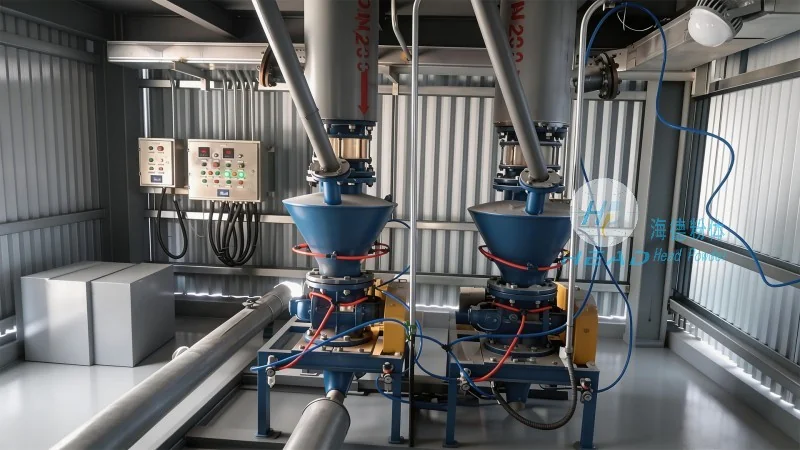
Feed hoppers are designed to store and feed the soda ash powder into the conveying mechanism. They are often equipped with level sensors to monitor the material level and prevent overfilling or underfilling. The conveyor system, which can be a belt conveyor or a screw conveyor, is responsible for moving the powder from the feed hopper to the discharge point. Belt conveyors are commonly used for horizontal or slight incline applications, while screw conveyors are ideal for vertical or steep incline transport due to their ability to handle vertical lifts without the need for additional components.
Dust collection systems are integral to soda ash powder conveying, as the fine particles can create airborne dust that poses health and safety risks. These systems typically include filters or cyclones that capture the dust and return it to the conveyor system, ensuring minimal loss of material and maintaining a clean working environment. Control mechanisms, such as variable speed drives and sensors, allow operators to adjust the conveying speed and monitor the system's performance in real-time, optimizing the process for different production requirements.
Working Principle of Soda Ash Powder Conveying
The operational principle of a soda ash powder conveying system involves the controlled movement of powder from the feed point to the discharge point. The process begins with the material being fed into the hopper, where it is then transferred to the conveyor mechanism. For belt conveyors, the powder is spread evenly across the belt and pulled forward by the drive system. Screw conveyors, on the other hand, use a rotating screw to push the powder along the trough, which can be horizontal or inclined. The speed of the conveyor is adjusted based on the required throughput, ensuring that the material is transported at an optimal rate without causing blockages or excessive wear.
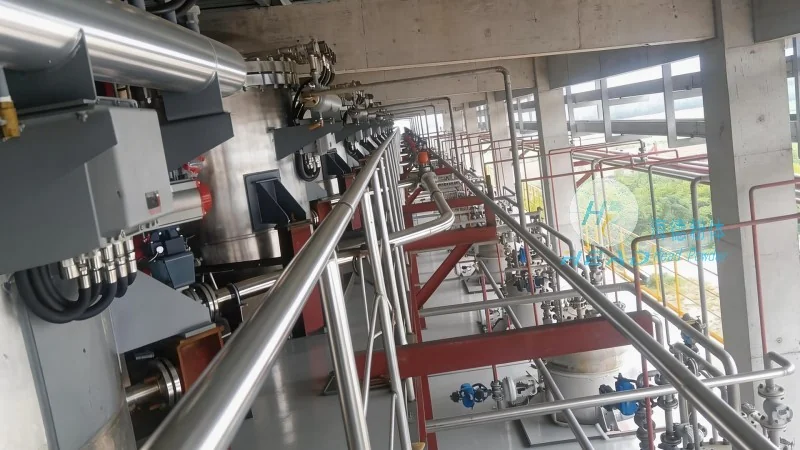
During the conveying process, the system maintains a consistent flow of material, minimizing the risk of clogging or uneven distribution. The dust collection system continuously monitors and captures any airborne particles, preventing contamination and ensuring compliance with safety regulations. Control systems provide real-time feedback on the system's performance, allowing for immediate adjustments if any issues arise, such as a decrease in material flow or an increase in dust levels.
Benefits of Using Soda Ash Powder Conveying Systems
Implementing a specialized soda ash powder conveying system offers several benefits for industrial operations. Firstly, it enhances operational efficiency by ensuring a continuous and reliable supply of soda ash to downstream processes. This reduces downtime and increases overall productivity. Secondly, the system minimizes material loss by capturing and returning dust, which not only saves costs but also improves environmental compliance. Additionally, the controlled environment provided by the dust collection system enhances workplace safety, reducing the risk of respiratory issues or other health hazards associated with fine powder handling.
Another key benefit is the flexibility of these systems, which can be customized to meet specific production requirements. Whether for horizontal or vertical transport, or for handling varying particle sizes, the conveying system can be adjusted to suit the needs of the application. This adaptability makes soda ash powder conveying systems suitable for a wide range of industrial settings, from small-scale operations to large-scale manufacturing facilities.
Applications in Industrial Settings
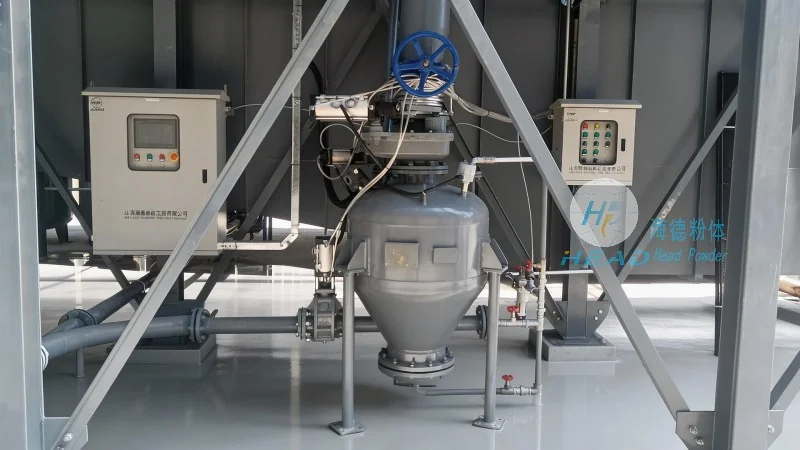
Soda ash powder conveying systems are widely used in various industrial applications where soda ash is a critical component. In the glass industry, for example, soda ash is used as a flux to lower the melting point of silica, and efficient conveying ensures a steady supply of this material to the glass melting furnaces. In chemical production, soda ash is used in the manufacturing of detergents, soaps, and other cleaning products, and the conveying system ensures that the powder is delivered to the mixing and processing stages without interruption. Water treatment facilities also rely on soda ash to adjust pH levels, and the conveying system provides a consistent supply of the material to the treatment processes.
In addition to these applications, soda ash powder conveying systems are used in food processing, where soda ash is used as a leavening agent or pH adjuster. The systems ensure that the powder is handled safely and efficiently, maintaining the quality and consistency of the final product. Overall, the use of specialized conveying systems in these industries highlights the importance of reliable powder handling technology in achieving optimal performance and safety.




