HeadPowder, a leading provider of industrial material handling solutions, specializes in the design and implementation of efficient pneumatic conveying systems for various powder materials, including silica powder. This article provides an overview of the fundamental components, operational principles, and structural design of such systems, highlighting the technical aspects that ensure reliable and effective material transport in industrial applications.
Key Components of a Silica Powder Pneumatic Conveying System
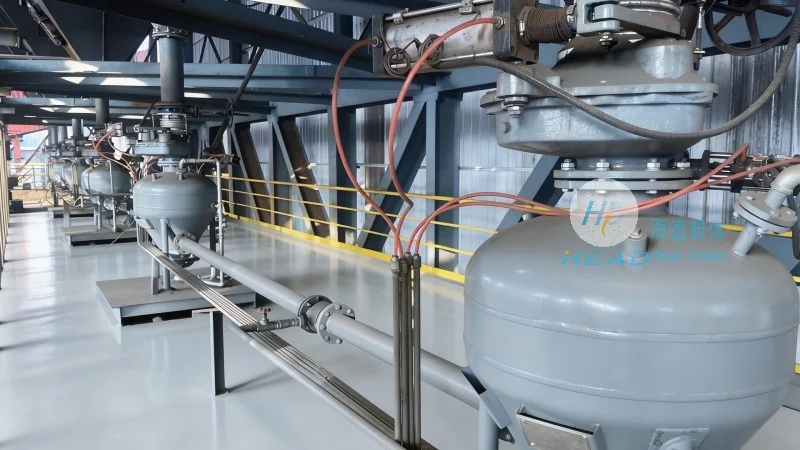
The core structure of a silica powder pneumatic conveying system comprises several critical components that work in concert to achieve seamless material transfer. These include the material feed hopper, which stores and regulates the flow of silica powder; the air compressor or blower, responsible for generating the necessary air pressure to move the powder; the conveying line, typically made of durable materials like stainless steel or PVC to withstand the abrasive nature of silica; and the control valves and regulators that manage air flow and pressure. Additionally, the system may incorporate a filter and dust collection unit to ensure environmental compliance and maintain air quality during operation.
Working Principles of Pneumatic Conveying for Silica Powder
The operational principle of a pneumatic conveying system for silica powder is based on the use of compressed air to entrain and transport the powder particles through the conveying line. When the air compressor operates, it forces air into the conveying line at a high velocity, creating a flow that pulls the silica powder particles along with it. The design of the system, including the angle and length of the conveying line, is optimized to minimize pressure drop and ensure efficient transport. The material feed hopper is equipped with a feeder, such as a rotary valve or screw feeder, which controls the rate at which silica powder is introduced into the system, preventing blockages and maintaining consistent flow rates.
Structural Design Considerations for Silica Powder Handling
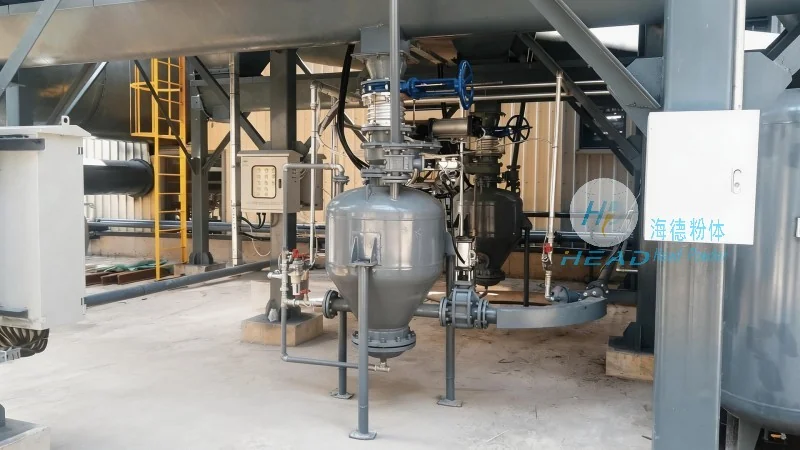
When designing a pneumatic conveying system for silica powder, several structural considerations are essential to ensure durability and performance. The material of construction for the conveying line and components is critical, as silica powder can be abrasive and corrosive. Stainless steel is commonly used for its resistance to wear and corrosion, while PVC is an alternative for less aggressive applications. The system's layout, including the height and angle of the vertical and horizontal sections of the conveying line, is carefully planned to avoid excessive pressure losses and ensure that the powder is conveyed without settling or clogging. The inclusion of a surge hopper or buffer tank can help regulate the flow of silica powder, especially in systems where the feed rate may vary, preventing fluctuations in the conveying process.
Applications and Benefits of Silica Powder Pneumatic Conveying
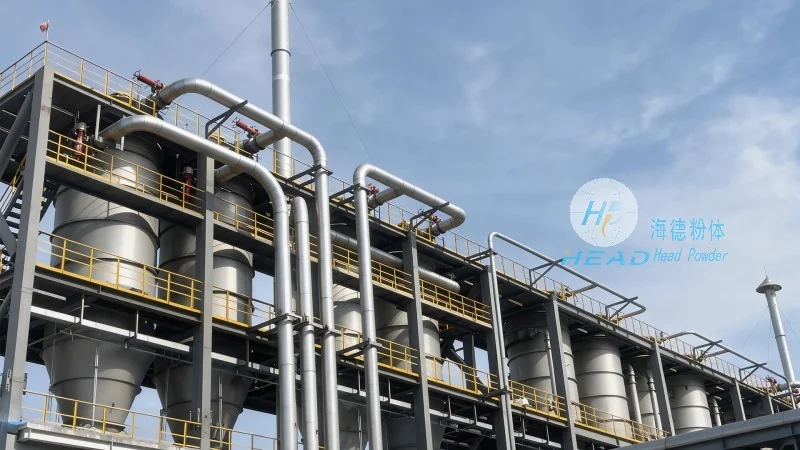
Silica powder pneumatic conveying systems are widely used in various industries, including construction, pharmaceuticals, and food processing, where the efficient and hygienic transport of fine powders is essential. The primary benefits of such systems include reduced labor costs, as automated material handling minimizes manual intervention; improved safety, as the system operates in a closed loop, preventing dust exposure and environmental contamination; and enhanced product quality, as the enclosed system prevents contamination from external sources. Additionally, the flexibility of pneumatic conveying allows for easy integration with existing production lines and the ability to transport silica powder over long distances without the need for multiple transfer points.
Conclusion and Company Overview
HeadPowder Engineering Co., Ltd., based in Shandong, China, is a trusted partner in the design and implementation of advanced pneumatic conveying systems for silica powder and other industrial powders. With a focus on technical excellence and customer satisfaction, the company provides customized solutions that meet the specific requirements of each application. By leveraging its expertise in material handling technology, HeadPowder ensures that its clients achieve efficient, reliable, and cost-effective material transport, contributing to improved operational performance and sustainability in their industrial processes.




