HeadPowder, a leading engineering company based in Shandong, China, specializes in the design and implementation of advanced material handling solutions. One of their core offerings is the silicon carbide pneumatic conveying system, a sophisticated technology used for the efficient transport of silicon carbide powders and related materials in industrial applications.
Understanding Silicon Carbide Pneumatic Conveying Systems
Silicon carbide (SiC) is a high-performance ceramic material widely used in various industries, including semiconductor manufacturing, refractory production, and abrasive applications. The pneumatic conveying system is a critical component for moving SiC powders from storage to processing equipment, ensuring minimal dust generation and maintaining material integrity. This system operates by using compressed air or other gases to transport the material through a pipeline network.
Key Structural Components of the System
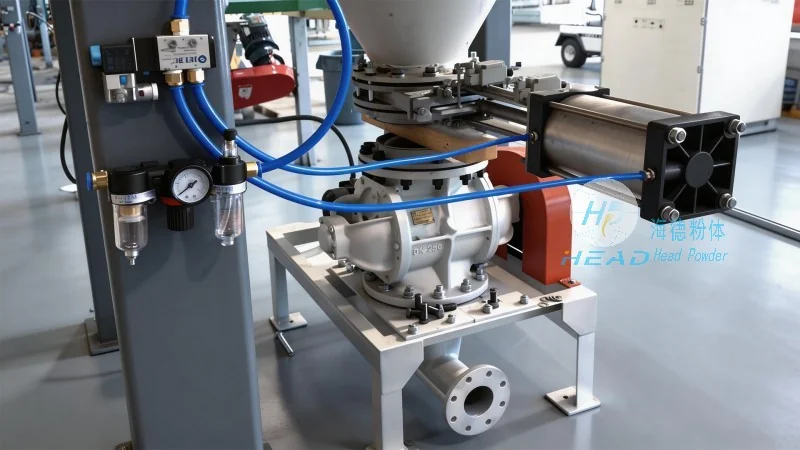
The silicon carbide pneumatic conveying system comprises several critical components that are meticulously engineered to handle the unique properties of silicon carbide. The storage hopper or silo is designed with a conical bottom to facilitate uniform material discharge, often equipped with a rotary valve or star feeder to control the flow rate precisely. The conveying line is typically made of corrosion-resistant materials such as stainless steel or special alloys to withstand the abrasive nature of SiC particles. Bends and expansion joints are strategically placed to accommodate changes in direction and pressure, minimizing turbulence and pressure losses. The receiver or collection hopper at the end of the line is designed to collect the conveyed material efficiently, with a discharge mechanism that prevents material buildup and ensures smooth transfer to downstream processes. Additionally, a dust collection system, such as a baghouse or cartridge filter, is integrated to capture any airborne particles, ensuring compliance with environmental regulations and maintaining a clean working environment.
Working Principle and Operational Mechanics
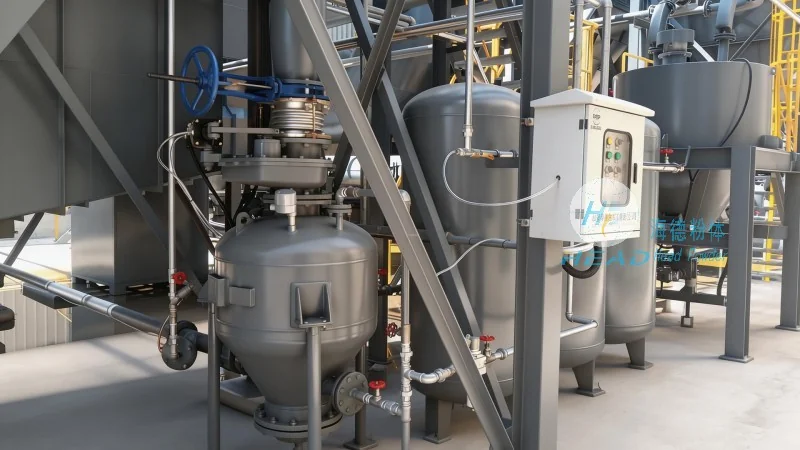
The core of the silicon carbide pneumatic conveying system lies in the interaction between the material and the air stream. In operation, compressed air is introduced into the conveying line, creating a high-velocity flow that lifts and suspends the SiC particles. The air velocity is carefully controlled to maintain a stable suspension, preventing particle settling or blockages. The system operates in either dilute-phase or dense-phase modes, with the choice depending on the material's characteristics and the required transport distance. Dilute-phase conveying is suitable for short to medium distances, where the material is dispersed in a high-velocity air stream, while dense-phase conveying is preferred for longer distances or when handling more sensitive materials, as it reduces particle impact and wear on system components. The system's control system monitors pressure, flow rate, and material level, ensuring optimal performance and preventing operational issues such as overpressure or material starvation.
Advantages of Using a Silicon Carbide Pneumatic Conveying System
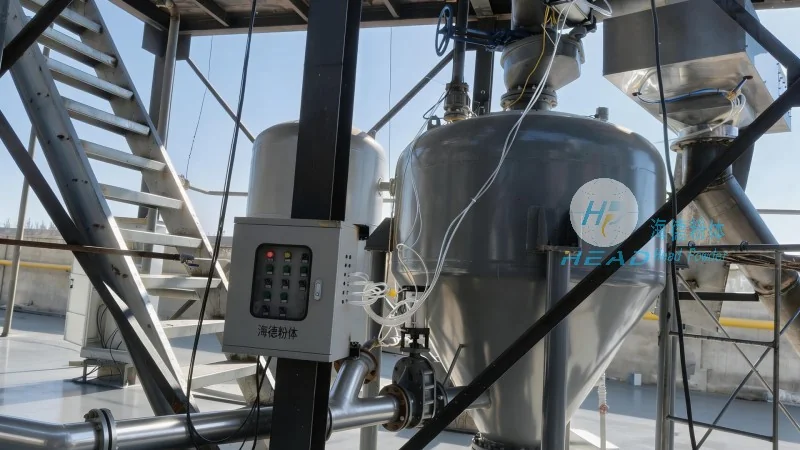
Implementing a silicon carbide pneumatic conveying system offers several advantages for industrial operations. Firstly, it provides a dust-free and enclosed transport method, which enhances workplace safety and reduces the risk of material contamination. Secondly, the system minimizes product degradation by avoiding direct contact with mechanical components, preserving the quality of the silicon carbide powder. Additionally, the enclosed design helps in controlling material moisture and preventing caking, which is crucial for maintaining consistent material properties. Finally, the system can be integrated with existing production lines, offering flexibility and scalability for growing industrial needs.
HeadPowder's Expertise in Design and Installation
Shandong HeadPowder Engineering Co., Ltd. brings extensive expertise in designing and installing silicon carbide pneumatic conveying systems tailored to specific customer requirements. The company's engineering team leverages advanced computational fluid dynamics (CFD) and material flow analysis to optimize system design, ensuring efficient transport with minimal energy consumption. HeadPowder also provides comprehensive after-sales support, including maintenance services and technical assistance, to ensure the long-term reliability and performance of the system. With a focus on quality and customer satisfaction, HeadPowder has established itself as a trusted partner in the material handling industry.




