Polyolefin materials, including polyethylene and polypropylene, are widely used in various industrial applications due to their excellent properties such as chemical resistance, low density, and good mechanical strength. The efficient and safe handling of these materials is crucial for industrial processes, and pneumatic conveying systems have emerged as a reliable solution for transporting polyolefin powders and granules. This article provides an overview of polyolefin pneumatic conveying systems, focusing on their structural components and operational principles.
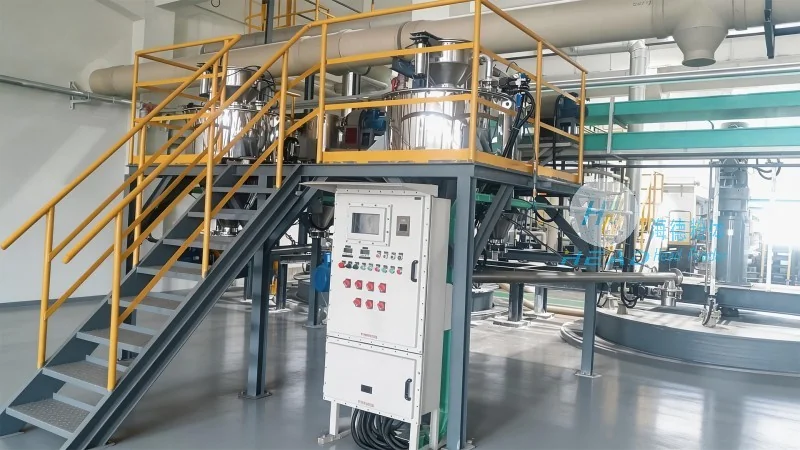
Pneumatic Conveying Basics for Polyolefin Handling
Pneumatic conveying systems utilize air or other gases to transport bulk materials like polyolefin powders through a pipeline network. The core principle involves creating a pressure differential that moves the material from the source to the destination. There are two main types of pneumatic conveying: pressure and vacuum systems. Pressure systems use compressed air to push the material, while vacuum systems use a vacuum to pull the material. For polyolefin applications, pressure systems are often preferred due to their ability to handle higher material loads and maintain consistent flow rates.
Key Structural Components of Polyolefin Pneumatic Conveying Systems
The design of a polyolefin pneumatic conveying system involves several critical components that work together to ensure efficient material transport. These components include:
1. Feeder: The feeder is responsible for feeding the polyolefin material into the conveying line. It can be a rotary valve, a star feeder, or a screw feeder, depending on the material characteristics and flow requirements. The feeder must be capable of handling the bulk density and flow rate of the polyolefin material without causing blockages or degradation.
2. Conveying Line: The conveying line is the main pipeline through which the polyolefin material is transported. It is typically made of stainless steel or other corrosion-resistant materials to withstand the chemical properties of polyolefins and prevent material buildup. The line diameter and length are carefully designed to maintain optimal air-to-material ratios and prevent pressure losses.
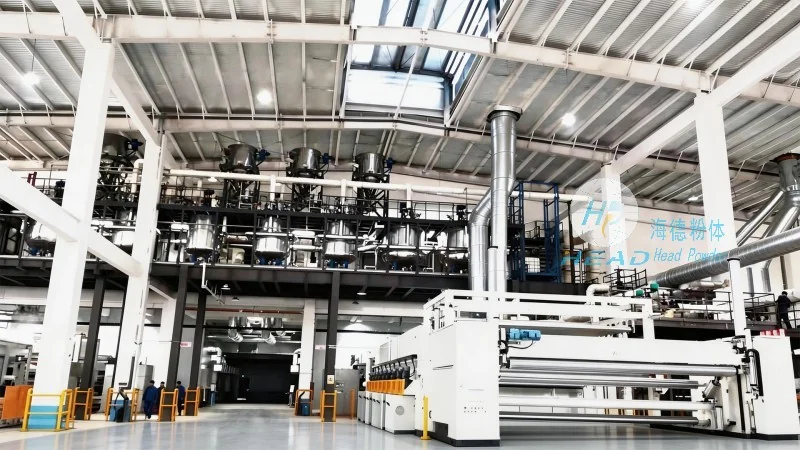
3. Accelerator: The accelerator is a section of the conveying line where the air velocity is increased to ensure the material particles are fully entrained and transported efficiently. This component is crucial for maintaining the material's flow and preventing deposition or clogging in the pipeline.
4. Receiver: The receiver is the final destination where the polyolefin material is deposited. It is designed to handle the material's discharge and prevent spillage or contamination. The receiver may include a hopper or a silo to store the material before further processing.
5. Control System: The control system monitors and regulates the operation of the pneumatic conveying system. It includes sensors for pressure, flow rate, and material level, as well as control valves and actuators to adjust the air flow and material feed. The control system ensures the system operates within safe and efficient parameters.
Working Principles of Polyolefin Pneumatic Conveying
The operation of a polyolefin pneumatic conveying system involves several steps. First, the polyolefin material is fed into the system through the feeder. Then, compressed air is introduced into the conveying line, creating a pressure differential that moves the material. The material particles are entrained by the air stream and transported through the pipeline. At the receiver, the material is discharged, and the air is filtered and recycled back to the system. The entire process is controlled by the control system to maintain consistent flow rates and prevent system failures.
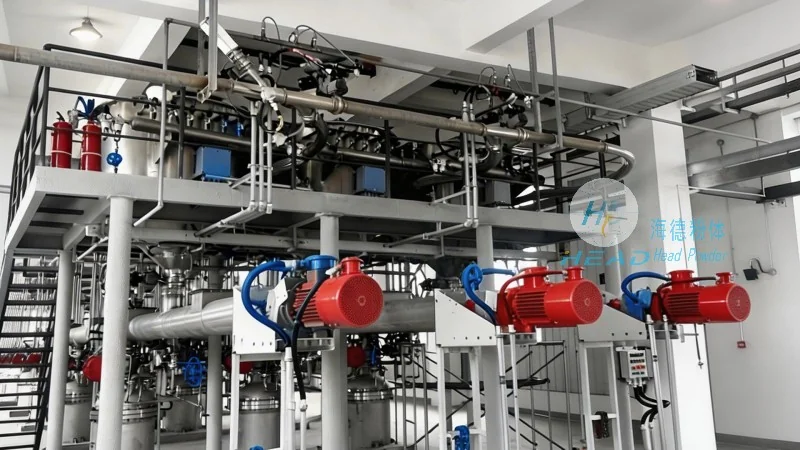
Advantages of Polyolefin Pneumatic Conveying Systems
Pneumatic conveying systems offer several advantages for polyolefin handling, including:
1. Efficient Material Transport: Pneumatic conveying allows for the rapid and continuous transport of polyolefin materials over long distances, reducing handling time and labor costs.
2. Low Maintenance: Compared to mechanical conveying systems, pneumatic systems have fewer moving parts, resulting in lower maintenance requirements and longer service life.
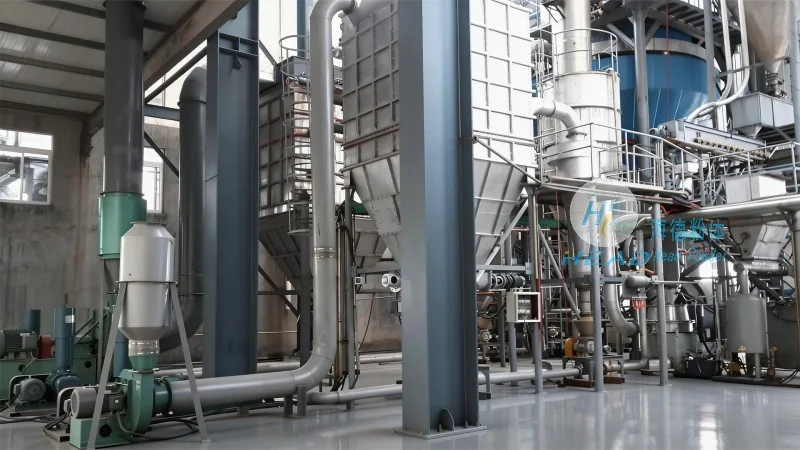
3. Reduced Product Contamination: The enclosed pipeline design prevents contamination from external sources, ensuring the purity of the polyolefin material.
4. Flexibility in Layout: Pneumatic systems can be easily integrated into existing industrial layouts, allowing for flexible material routing and system expansion.
About Shandong HeadPowder Engineering Co., Ltd.
Shandong HeadPowder Engineering Co., Ltd., operating under the brand name headpowder, is a leading manufacturer of pneumatic conveying systems for polyolefin materials. With a focus on innovation and quality, the company provides customized solutions tailored to the specific needs of industrial clients. HeadPowder's systems are designed to meet the highest standards of efficiency, safety, and reliability, ensuring optimal performance in polyolefin handling applications.
The company is headquartered in Shandong, China, and serves clients worldwide with a commitment to delivering superior products and services. HeadPowder's expertise in polyolefin pneumatic conveying systems has earned it a reputation for excellence in the industry, making it a trusted partner for businesses seeking reliable material handling solutions.




