High-alumina fly ash is a byproduct of coal combustion in thermal power plants, characterized by its high alumina content and specific physical properties. The pneumatic conveying system designed for handling this material must address challenges such as abrasive wear, particle size distribution, and the need for efficient transport with minimal degradation of the ash's quality. Shandong HeadPowder Engineering Co., Ltd. (headpowder), a leading provider of industrial conveying solutions, has developed a specialized high-alumina fly ash pneumatic conveying system to meet these demands. This article provides an overview of the system, detailing its structural components and operational principles to help users understand its functionality and application.
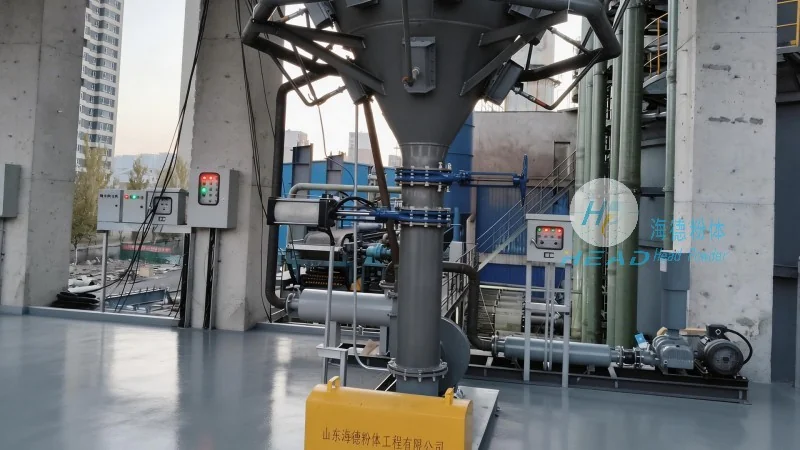
System Overview and Core Components
The high-alumina fly ash pneumatic conveying system is engineered to transport high-alumina fly ash from storage silos or hoppers to processing facilities, such as cement plants or waste management sites. The system typically consists of several key components that work in tandem to ensure reliable and efficient material transport. These components include the air supply unit, conveying pipeline, material feed hopper, separation and cleaning equipment, and control system. Each component is designed to meet the specific demands of high-alumina fly ash, which is known for its abrasive nature and potential to cause blockages in traditional conveying systems.
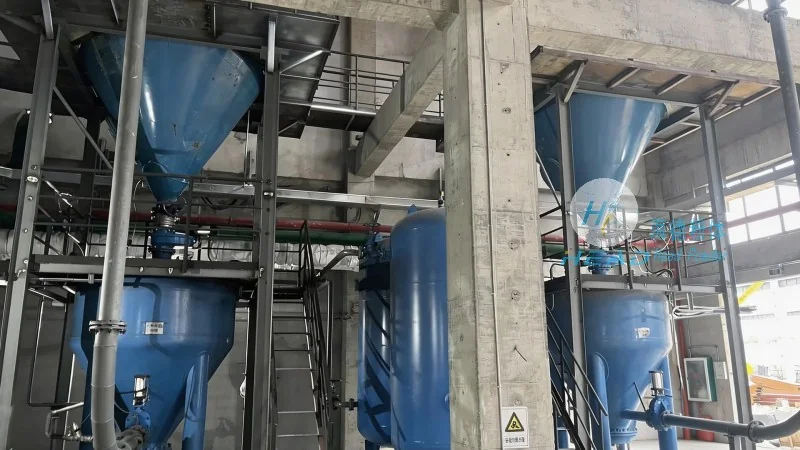
Structural Design of the Pneumatic Conveying System
The structural design of the high-alumina fly ash pneumatic conveying system prioritizes durability and efficiency. The air supply unit, often a high-pressure blower or compressor, generates the necessary airflow to move the ash particles through the pipeline. The conveying pipeline is constructed from materials resistant to abrasion, such as stainless steel or high-grade carbon steel, to withstand the constant impact of the abrasive fly ash particles. The material feed hopper is equipped with a rotary valve or screw feeder to control the flow of ash into the pipeline, ensuring a consistent and controlled feed rate. The separation and cleaning equipment, including cyclones and filters, are designed to remove any excess ash from the air stream and maintain the system's performance over time. The control system integrates sensors and automation to monitor pressure, flow, and particle size, allowing for real-time adjustments to optimize the conveying process.
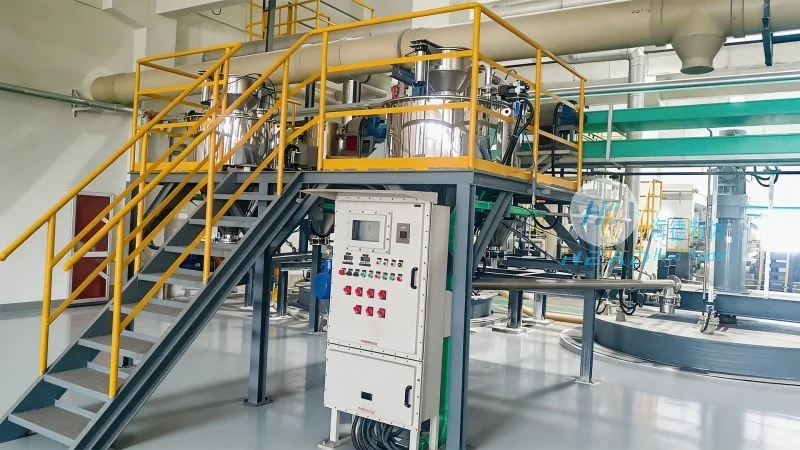
Working Principle of the Pneumatic Conveying System
The pneumatic conveying system operates on the principle of transporting solid particles suspended in a moving air stream. For high-alumina fly ash, the system typically uses a pressure-type or vacuum-type conveying method, depending on the application and distance of transport. In pressure conveying, the air supply unit pressurizes the pipeline, pushing the ash particles through the system. The air velocity is maintained at a level sufficient to keep the particles suspended, preventing settling or blockages. In vacuum conveying, a vacuum pump creates a negative pressure in the pipeline, drawing the ash particles from the source to the destination. The choice between pressure and vacuum depends on factors such as the distance between the source and destination, the volume of material to be transported, and the need for minimal pressure drop. The system's efficiency is enhanced by the use of appropriate air velocities and pipeline diameters, which are calculated based on the specific characteristics of the high-alumina fly ash, including its density, particle size, and moisture content.
Advantages of the High-Alumina Fly Ash Pneumatic Conveying System
Implementing a high-alumina fly ash pneumatic conveying system offers several advantages over traditional conveying methods, such as belt conveyors or bucket elevators. First, the system is highly flexible, allowing for the transport of ash from multiple sources to different destinations without the need for extensive reconfiguration. Second, it provides a dust-free operation, as the ash is contained within the pipeline and separated from the air stream by the cleaning equipment. This reduces the risk of environmental contamination and improves workplace safety. Third, the system is compact and requires less space compared to traditional conveying systems, making it suitable for installations with limited floor area. Fourth, it offers energy efficiency, as the air supply unit can be optimized to use minimal power while maintaining the required airflow. These advantages make the high-alumina fly ash pneumatic conveying system an ideal solution for power plants and other facilities that need to handle high-alumina fly ash efficiently and safely.
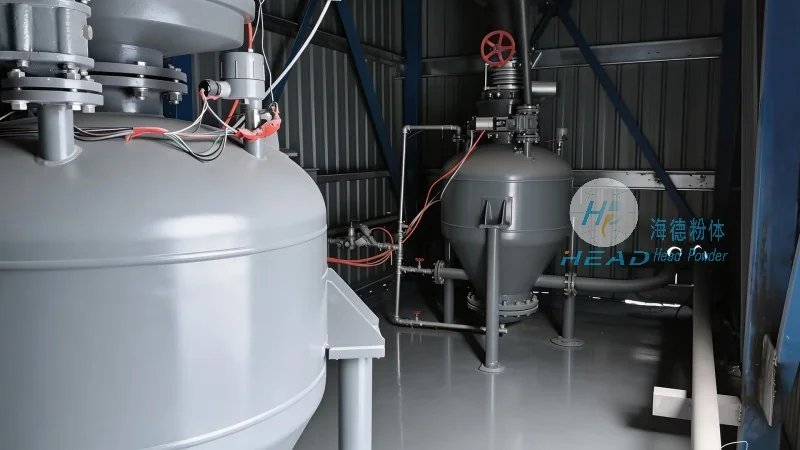
Application and Operational Considerations
The high-alumina fly ash pneumatic conveying system is widely used in the cement industry, where fly ash is used as a supplementary cementitious material. It is also applied in waste management facilities for the disposal of fly ash, and in industrial processes where the ash is used as a raw material. Operational considerations for the system include regular maintenance of the components, such as cleaning the cyclones and filters to prevent clogging, and monitoring the system's performance to ensure optimal operation. The system's design must also account for the potential for ash agglomeration, which can occur due to moisture or temperature changes, and may require additional equipment, such as agitators or pre-drying units, to prevent blockages. Proper training of operators and adherence to safety protocols are also essential to ensure the safe and efficient operation of the system.




