HeadPowder, a leading enterprise in the field of chemical engineering, specializes in the design, manufacturing, and installation of advanced pneumatic conveying systems for sodium hydrosulfite. Based in Shandong, China, the company leverages its extensive expertise to deliver efficient and reliable solutions tailored to the unique demands of the chemical processing industry. This article provides a comprehensive overview of the pneumatic conveying system for sodium hydrosulfite, detailing its structural components and operational principles.
Key Components of the Pneumatic Conveying System
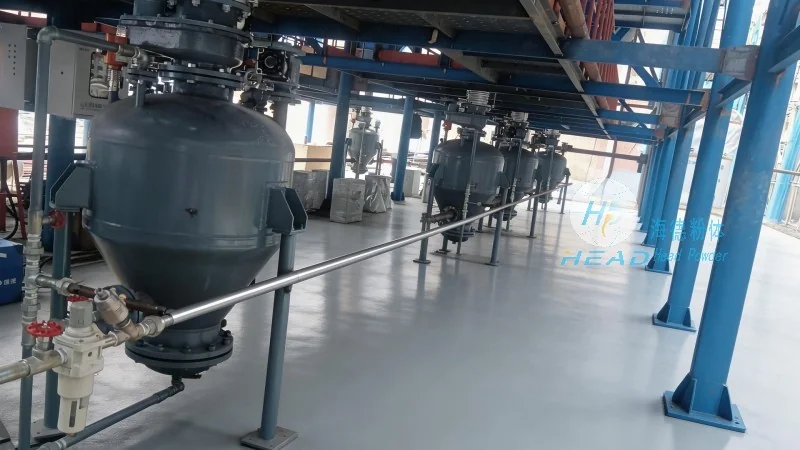
The pneumatic conveying system for sodium hydrosulfite consists of several critical components that work in concert to ensure smooth material transport. At the core of the system is the material hopper, which serves as the primary storage vessel for the sodium hydrosulfite. The hopper is equipped with a feed mechanism, typically a rotary valve or a screw feeder, that regulates the flow of material into the conveying line. This component is crucial for maintaining consistent feed rates and preventing material buildup or blockages.
Connected to the hopper is the conveying line, which is usually made of stainless steel to withstand the corrosive nature of sodium hydrosulfite. The line is designed with appropriate bends and straight sections to facilitate the movement of the material under pneumatic pressure. Along the conveying line, there are often check valves or flow control devices that help maintain the pressure and ensure the material travels in the correct direction. The system also includes a dust collector or a filter unit at the receiving end to capture any fine particles and prevent environmental contamination.
Working Principle of the Pneumatic Conveying System
The operation of the sodium hydrosulfite pneumatic conveying system relies on the principles of pneumatic transport, where material is conveyed through a pipeline using a carrier gas, typically air. The process begins with the material being fed from the hopper into the conveying line. Simultaneously, a high-pressure air blower or a compressor generates the necessary airflow to create a positive pressure within the system. This airflow entrains the sodium hydrosulfite particles, forming a slurry that is propelled through the conveying line.
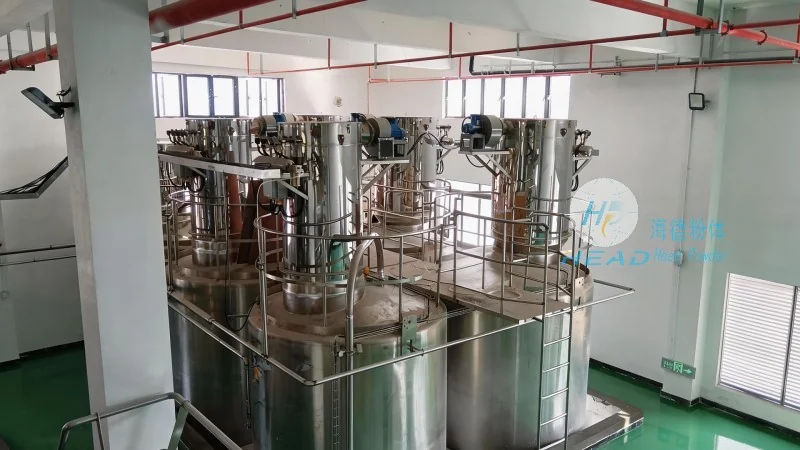
As the material travels through the pipeline, it experiences various forces, including drag and lift, which help maintain the material's suspension in the air stream. The system is designed to ensure that the material remains in a fluidized state throughout the conveying process, minimizing the risk of clogging or material degradation. At the receiving end, the material is separated from the air stream, often through a cyclone separator or a bag filter, and collected in a designated storage bin or processing vessel.
Advantages of the Pneumatic Conveying System for Sodium Hydrosulfite
Implementing a pneumatic conveying system for sodium hydrosulfite offers several advantages over traditional mechanical conveying methods. One of the primary benefits is the ability to transport the material in a closed system, which helps prevent dust contamination and environmental pollution. This is particularly important for sodium hydrosulfite, a chemical that can be hazardous if released into the atmosphere.
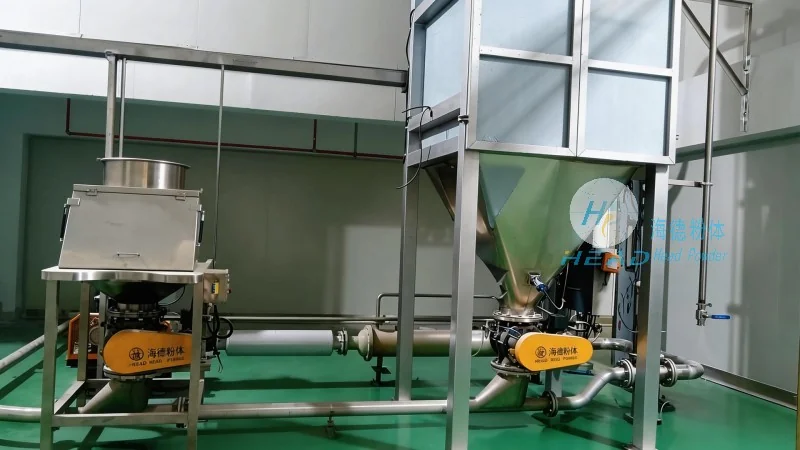
Another key advantage is the system's efficiency in handling fine or abrasive materials. The pneumatic transport method reduces wear and tear on equipment compared to mechanical conveyors, which are prone to damage from abrasive particles. Additionally, the system allows for precise control over the material flow rate and pressure, ensuring consistent performance and minimizing the risk of overloading or underloading the processing equipment.
Customization and Application Scope
HeadPowder Engineering Co., Ltd. offers customized pneumatic conveying solutions tailored to the specific requirements of each client. The company's engineers work closely with clients to assess their operational needs, material characteristics, and site conditions to design a system that maximizes efficiency and reliability. The systems can be adapted for various applications, including material transfer between storage silos, processing units, and packaging lines, as well as for handling bulk quantities of sodium hydrosulfite in industrial settings.
By leveraging advanced engineering and quality manufacturing, HeadPowder ensures that its pneumatic conveying systems meet the highest standards of performance and safety. The company's commitment to innovation and customer satisfaction has made it a trusted partner for businesses in the chemical industry, providing reliable solutions that enhance operational efficiency and reduce downtime.




